A Ferrari, Rolls-Royce or Bentley is suddenly within reach of buyers with a £70,000 budget — but only because the first owner has already absorbed the steepest depreciation, while the cost of keeping one on the road remains firmly in luxury territory.
Used Ferrari, Rolls-Royce and Bentley Prices Fall
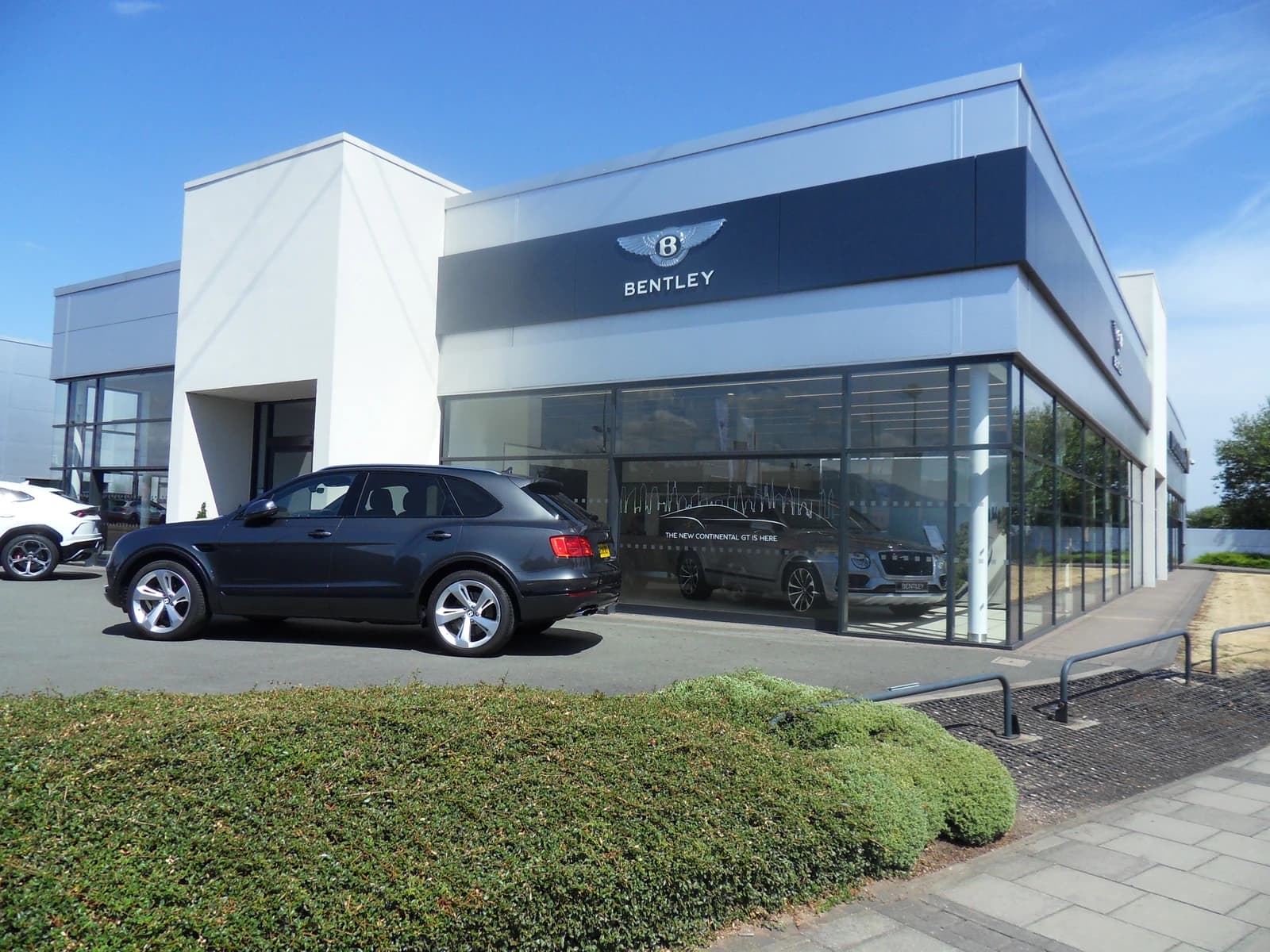
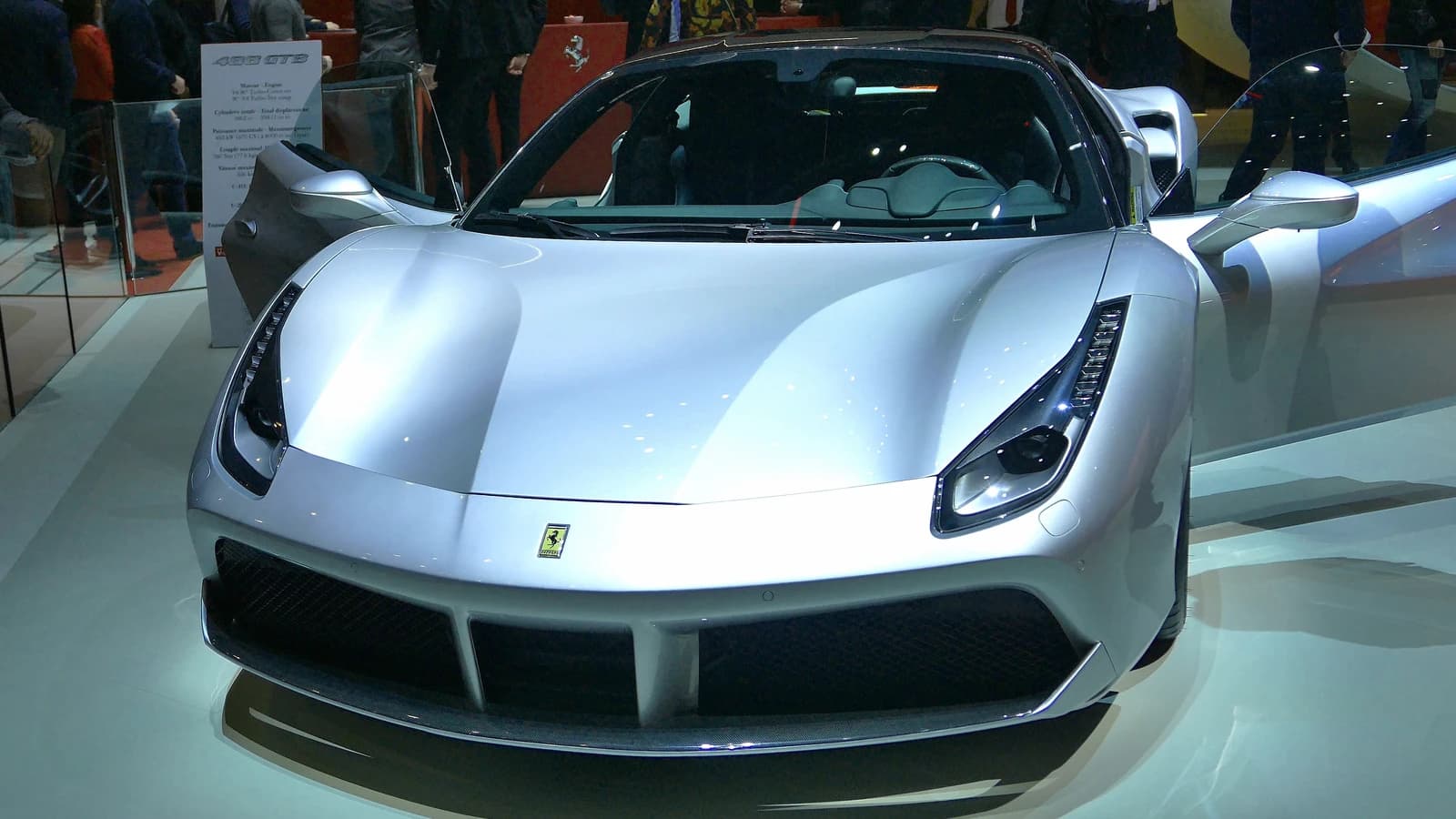
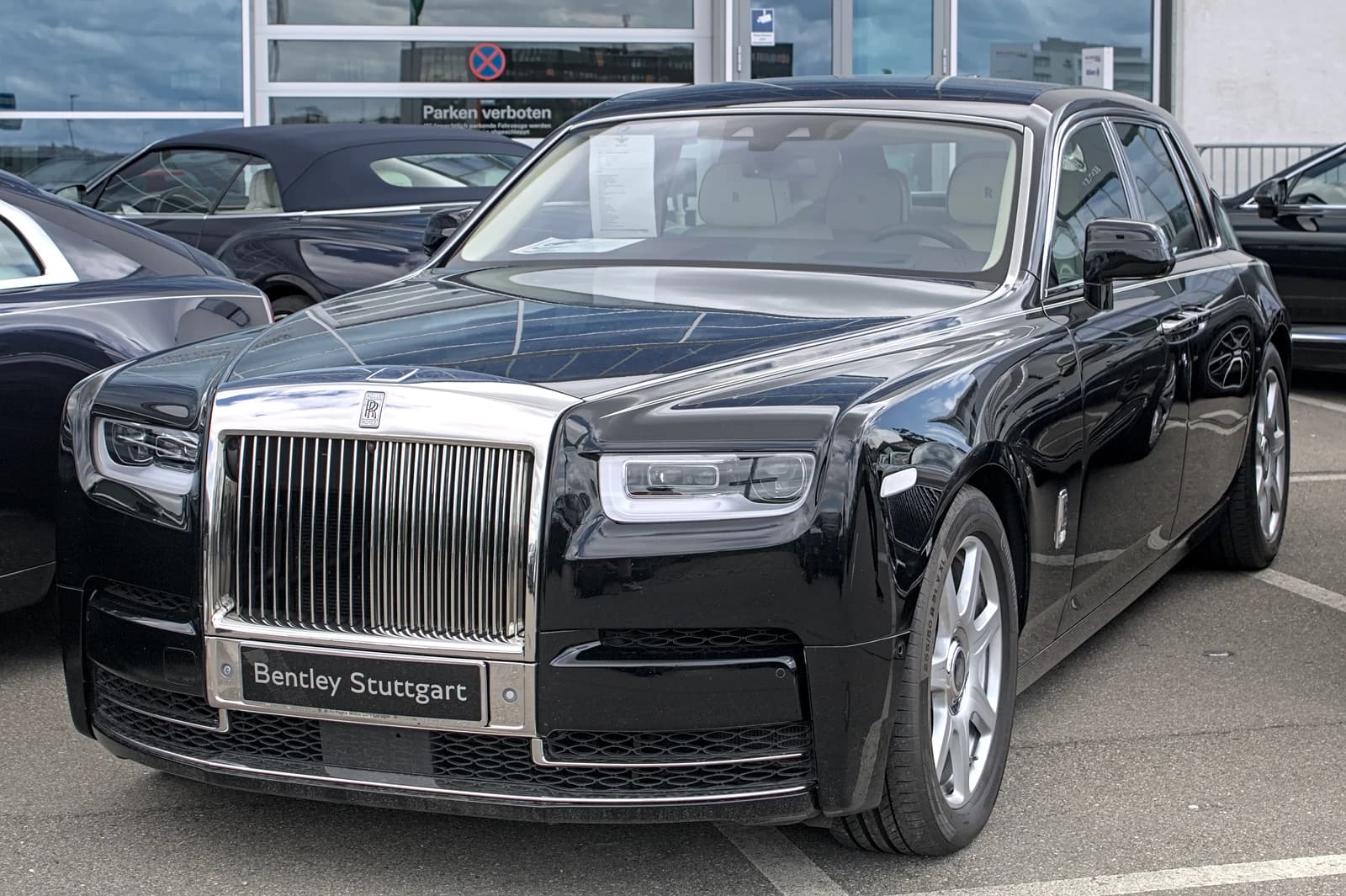
That is the real story behind the bargain badge prices. A used Ferrari California was listed from £59,480, a first-generation Rolls-Royce Ghost from £64,948 and a current-shape Bentley Continental GT from about £67,000, according to dealer listings checked on November 11. Yet these are not cheap cars to own. Depreciation has done the heavy lifting, but maintenance, fuel, tax and insurance still demand the sort of cash flow most mainstream buyers never have to consider.
Sentiment Indicators
For long-term investors, that split matters. It shows how the luxury-car market rewards early buyers with speedier value destruction than mass-market shoppers might expect, while opening an entry point for second owners who care more about aspiration than new-car exclusivity. It also reinforces a useful rule in premium goods: a low sticker price does not always mean an accessible total cost of ownership.
The Ferrari California is the most obvious example. New UK pricing started at £143,000 in 2008, and today early cars can be found for less than half that. But the cheapest examples are also the riskiest. Early gearbox issues and a small recall on crankshafts make paperwork and inspections essential, while an engine failure can run to roughly £45,000. Ferrari’s Power15 warranty softens that blow, but it only applies to cars up to 15 years old, which rules out the oldest examples. In other words, the “affordable Ferrari” is really a bargain only if you buy carefully and keep a reserve for the unexpected.
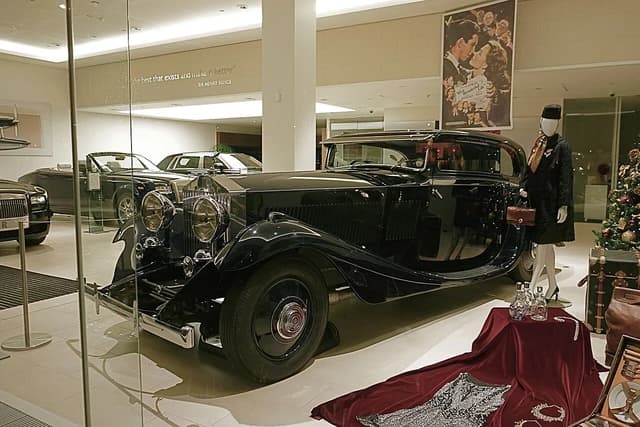
The Rolls-Royce Ghost carries the same lesson in even more dramatic form. It was £170,000 new in 2010 and now trades from just under £65,000, but the running costs still look like a six-figure car. Road tax comes in at the top rate, brake work can reach about £1,000 a corner, and air suspension or injector faults can quickly turn a good deal into an expensive one. The cheapest Ghosts often have higher mileages, which may be fine for a motorway cruiser — but they are not for buyers looking to minimize upkeep.
Bentley may be the most interesting name in the group because it combines the prestige of the badge with the least punishing ownership economics. A 2018 Continental GT can be bought from around £67,000, down from £165,400 new, and because that car has already passed the five-year £440 road-tax supplement, it now costs about £2,500 a year to run before insurance. That makes it the best blend of price, age and everyday usability in the group, and it is a good reminder that depreciation can create opportunity where the original buyer’s wallet felt only pain.
The McLaren 540C and Aston Martin DB11 sit just above and around the £70,000 mark, and they widen the same theme. Both offer genuine supercar or grand tourer appeal, but the ownership equation is harsher than the dealership price suggests. McLaren in particular is unforgiving if annual servicing is missed, while the DB11’s V8 version looks better balanced than the V12 for buyers thinking about maintenance as much as performance.
What ties all of this together is a simple investment narrative: luxury assets often transfer the bulk of their value loss to the first owner, leaving second-hand buyers with a more attractive entry point — but only if they understand that prestige products rarely become cheap to maintain just because they become cheap to buy. That is true in cars, and it is true across high-end consumer markets.
For investors, the takeaway is broader than the car aisle. A market that is willing to reprice ultra-luxury metal this aggressively is one where resale value, servicing, warranties and brand strength all matter as much as the headline price. For buyers, the best long-term choice is not the flashiest badge, but the car with the cleanest history, the strongest warranty coverage and the least chance of a nasty repair bill. If you want the badge, the Bentley looks like the smartest place to start — and the Ferrari remains the most desirable if you are prepared to buy with discipline and hold your nerve.
| Entity | Gains | Losses |
|---|---|---|
| Second-hand buyers | ▲Lower entry prices | ▼Higher maintenance risk |
| First owners | ▲Luxury car access | ▼Heavy depreciation |
| Bentley Continental GT buyers | ▲Best value and usability | ▼Premium ownership costs |
| Ferrari and Rolls-Royce owners | ▲Prestige and exclusivity | ▼Fast value erosion |