Valencia’s decision to collect and bale rice straw from roughly 62.5 hectares in the Albufera marks a practical shift in how one of Spain’s most sensitive farming zones manages post-harvest waste, easing pressure on growers while reducing the smoke and fire risks that come with open-field burning.
Valencia to collect rice straw in Albufera
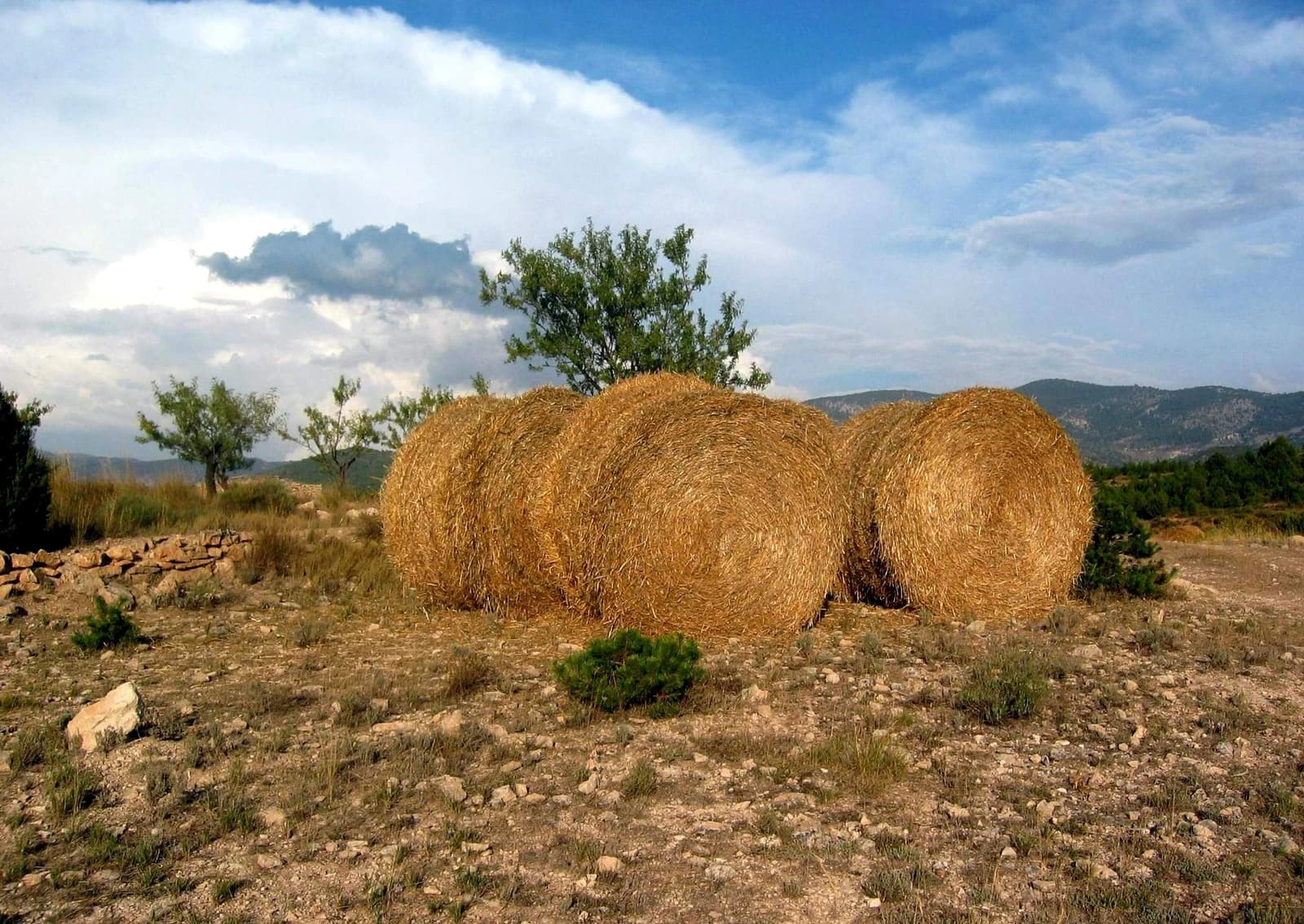
That matters because rice straw is no longer just an agricultural nuisance: it is becoming a test case for whether local authorities can turn a pollution problem into a logistics and circular-economy opportunity. The Consell Agrari de Valencia said it will provide free collection and baling for suitable plots and remove straw where burning is not viable, especially near Pinedo and the El Saler highway. The paddy residue can then be used by livestock farmers, with recipients only paying transport, and in some previous campaigns it has even served as a construction material.
The move lands as the Generalitat has advanced the start of the authorized burning window to Sept. 16 and extended it, subject to fire-risk conditions, through the end of 2026. That gives farmers more regulatory certainty, but it also raises the stakes for compliance. By assigning each Tancat a burn coordinator and offering help with the required declarations for plots near forest land, authorities are trying to avoid a chaotic pile-up of smoke plumes and reduce the chance of incidents in and around populated areas.
Economically, the story is about reducing friction in the agricultural supply chain. Rice growers face the same post-harvest bottleneck every season: what to do with the straw once the combine leaves the field. If the system works, less residue is burned, more is monetized, and the municipality absorbs part of the handling cost that would otherwise fall on farmers. That is small in absolute terms, but important in a sector where margins are thin and regulatory burdens can quickly shape planting decisions.
For investors, the bigger takeaway is that agricultural waste is becoming a tradable input, not a dead end. That opens up opportunities in collection logistics, baling equipment, biomass handling, animal feed substitution and low-carbon materials. It also reinforces a broader European theme: environmental rules are nudging agriculture toward more organized, capital-light circular models, and the winners will be the operators who can move, store and repurpose residues efficiently.
The market underestimates how quickly these local policy shifts can compound. As burning restrictions tighten across climate-vulnerable farming regions, the value of straw as a feedstock rises, and so does the need for infrastructure to capture it. Valencia is not just cleaning up a field; it is creating a template for how rice-growing regions can turn waste management into an investable service line.
| Entity | Gains | Losses |
|---|---|---|
| Valencia Consell Agrari | ▲Local control, lower fire risk | ▼Administrative burden |
| Rice farmers | ▲Free residue handling, fewer burning constraints | ▼Less flexibility on disposal |
| Livestock farmers | ▲Access to straw supply | ▼Transport costs |
| Open-field burning | ▲Lower smoke and incident risk | ▼Reduced role, tighter limits |