Value investors are finally getting a macro backdrop that can keep momentum stocks honest.
Value Stocks Gain as Rates Stay High

With the federal funds rate sitting at 3.63% and the 10-year Treasury yield near 4.79%, the market is still trading in a regime where cash is no longer free and long-duration growth has to earn every multiple point. That is why the old battle between value and momentum matters again: elevated real rates, sticky inflation and a still-restrictive policy stance keep pressure on the highest-flying parts of the market, while cash-generative, lower-duration businesses retain a valuation advantage.
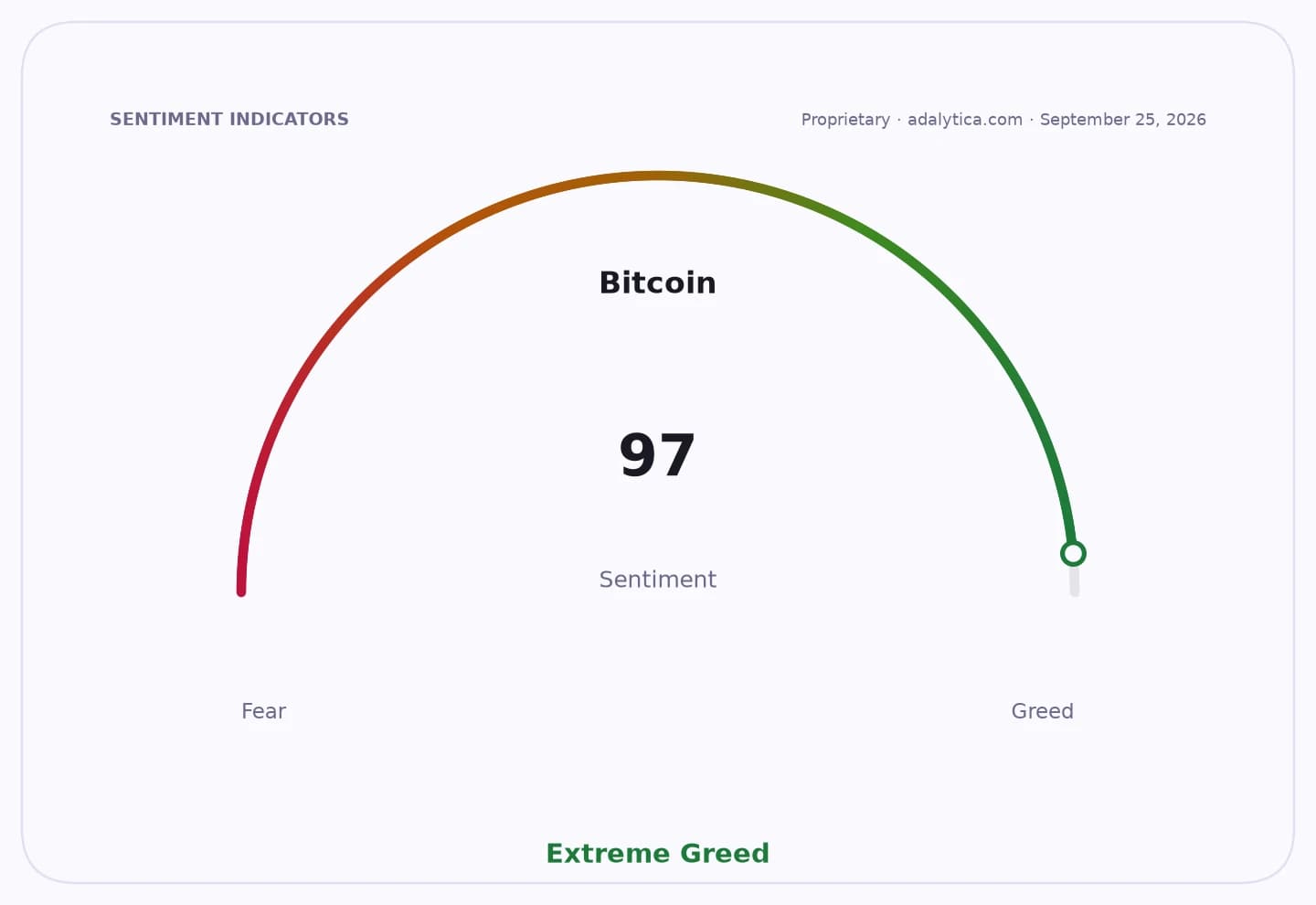
Sentiment IndicatorsⓘProprietary · adalytica.com · September 4, 2026
This is a snapshot — live sentiment, awareness and momentum for 130+ markets update continuously in the dashboard.Open AlphaPulse
The latest inflation and rate data explain the tug-of-war. Consumer prices are still running far above the pre-pandemic norm, with the CPI index at 332.813 in July 2026 and only a slight forecast uptick ahead. That leaves the Fed with little room to pivot aggressively, even after bringing policy down from far more punitive levels in past cycles. For investors, that means the discount rate embedded in stock valuations is likely to stay high enough to favor balance-sheet strength, dividends and near-term earnings power over distant growth narratives.
The market is already showing the split. The S&P 500, tracked by SPY, has bounced to 773.17 after a sharp drawdown earlier in the summer, but its technicals still look fragile relative to the rally’s highs. The ETF is sitting above its 200-day moving average, yet the 50-day has only just regained lost ground and RSI readings remain below the kind of overheated levels that typically accompany durable momentum breakouts. QQQ has also recovered to 717.67, but its own trend is less convincing after a deep slide in July. In contrast, IWM at 295.19 tells a different story: small caps are healing, but they are still lagging large-cap growth and are more exposed to financing costs that remain elevated by historical standards.
That is the core investable insight. Higher-for-longer rates do not kill momentum outright, but they narrow the margin for error. In that environment, market leadership often rotates toward value, quality and cyclicals with visible cash flow, while richly priced growth needs a stronger earnings surprise to justify outperformance. The market underestimates how powerful that backdrop can be for banks, insurers, energy, industrials and other capital-efficient names that can compound without depending on ultra-low yields.
Adalytica’s S&P 500 trade signals show extreme fear even as the index recovers, a classic setup for a short-term squeeze in risk assets but not necessarily a clean return to speculative leadership. In other words, the crowd may be too defensive in the near term, yet the macro still argues that leadership should broaden rather than concentrate in the same handful of momentum names. That is where the best opportunity often lies: not chasing the most crowded winners, but owning the stocks that benefit when money stops being cheap.
If the next move in rates is only modestly lower, the winners will be the businesses that already look cheap on current earnings, not the ones priced for perfection years out. Investors should treat any rally in momentum as tactical and continue building exposure to value, especially in sectors with pricing power, strong free cash flow and leverage to a slower, more selective market.
| Entity | Gains | Losses |
|---|---|---|
| Value stocks | ▲Higher relative appeal | ▼Multiple-expansion momentum |
| Momentum stocks | ▲Short-covering bounces | ▼Rich valuations |
| Financials, energy, industrials | ▲Support from higher rates | ▼Noneconomic hype trades |
| Small caps / IWM | ▲Rotation interest | ▼Funding-cost pressure |