Vedanta Aluminium is suddenly staring at a $582 million bill that could reshape the economics of its aluminium business, after an Indian court rejected its bid to enforce an old bauxite pricing pact with state-owned Odisha Mining Corp.
Vedanta Aluminium Faces $582 Million Bauxite Bill
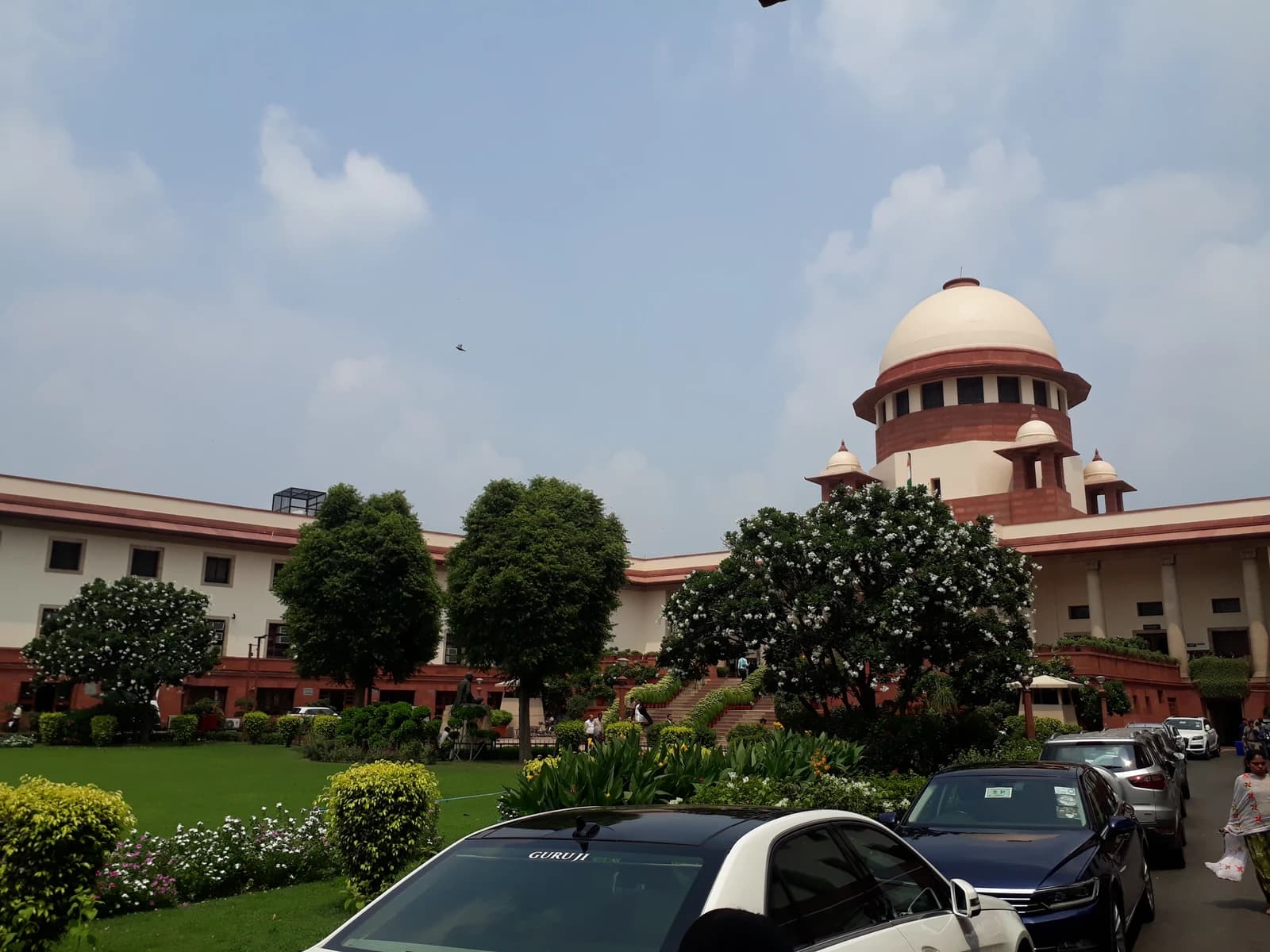
That matters because bauxite is the first, and often most politically sensitive, link in the aluminium supply chain. Vedanta has built one of India’s biggest aluminium franchises on the back of Odisha assets, but it does not currently have operational bauxite mines of its own. If the demand stands, the company’s raw-material costs could jump materially just as aluminium markets are already dealing with softer prices and a broader repricing of the sector.
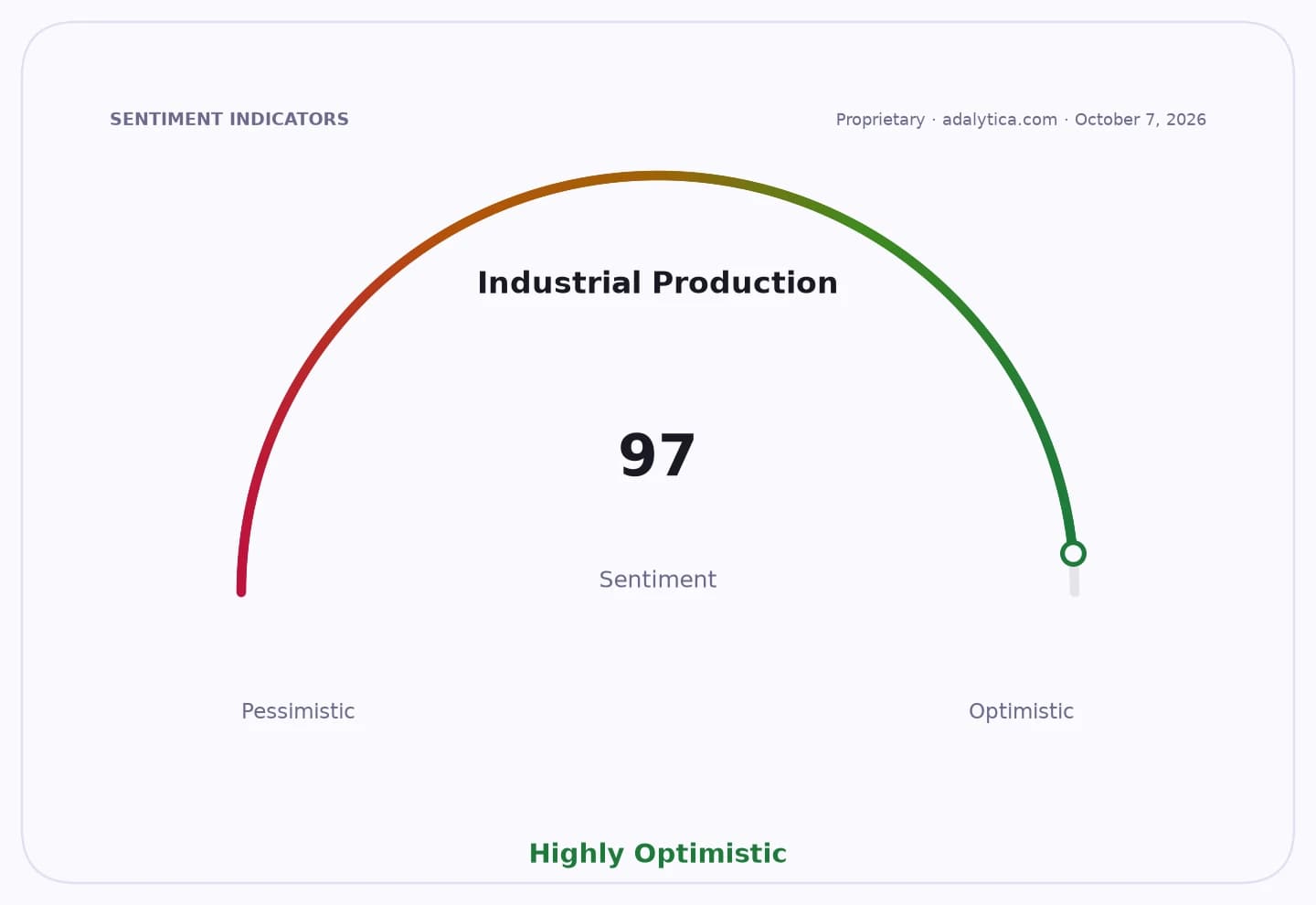
Sentiment IndicatorsⓘProprietary · adalytica.com · October 18, 2026
This is a snapshot — live sentiment, awareness and momentum for 130+ markets update continuously in the dashboard.Open AlphaPulse
The dispute goes back to a 2004 agreement under which OMC was supposed to supply Vedanta with 150 million tonnes of bauxite at a formula linked to extraction costs, royalty and statutory dues. The Orissa High Court has now ruled that Vedanta cannot revive contracts that were terminated in 2015 after changes to mining rules. That removes interim protection the company had relied on and gives OMC room to press ahead with a demand based on an average sale price methodology, according to reports.
Vedanta has taken the fight to the Supreme Court and is seeking a stay, but the stakes are already clear. Mint reported that the payment demand is equivalent to about 40% of Vedanta Aluminium Metal Ltd’s FY2026 profit after tax of Rs 141.53 billion. For investors, that is not a minor legal wrinkle — it is a potential hit to cash flow, earnings quality and capital allocation.
The timing is awkward. Vedanta Aluminium recently reported record quarterly output, with aluminium production up 5% to 649,000 tonnes and alumina output rising 37% as its expansion circuit ramped up. Strong volume growth is helpful, but it does not fully protect margins if the cost of securing bauxite rises sharply. In commodities, production gains matter far less when input costs become unpredictable.
There is also a strategic angle here. Vedanta’s subsidiary Bharat Aluminium Co. has emerged as the highest bidder for the Karlapat bauxite block in Odisha, which suggests the group is trying to reduce its reliance on outside supply over time. That is the right long-term move, but it also underlines the current vulnerability: until captive ore is secured and developed, the business remains exposed to policy shifts, court rulings and state-controlled supply terms.
For long-term investors, the key question is not just whether Vedanta wins in court. It is whether the company can turn this episode into a stronger, more self-reliant supply chain. If it can secure captive bauxite and protect margins, the long-term aluminium story stays intact. If not, the company will keep handing away too much of its economic advantage at the bottom of the value chain. Worth watching closely, and for patient investors, it is the kind of operational risk that deserves a place on the watchlist rather than in a hurry to buy.
| Entity | Gains | Losses |
|---|---|---|
| Odisha Mining Corp | ▲Higher payment leverage | ▼Vedanta’s legal challenge |
| Vedanta Aluminium | ▲Potential long-term captive supply | ▼Near-term margin pressure |
| Supreme Court process | ▲Chance to clarify precedent | ▼Delay and uncertainty |
| Aluminium investors | ▲Better visibility on costs | ▼Short-term earnings risk |