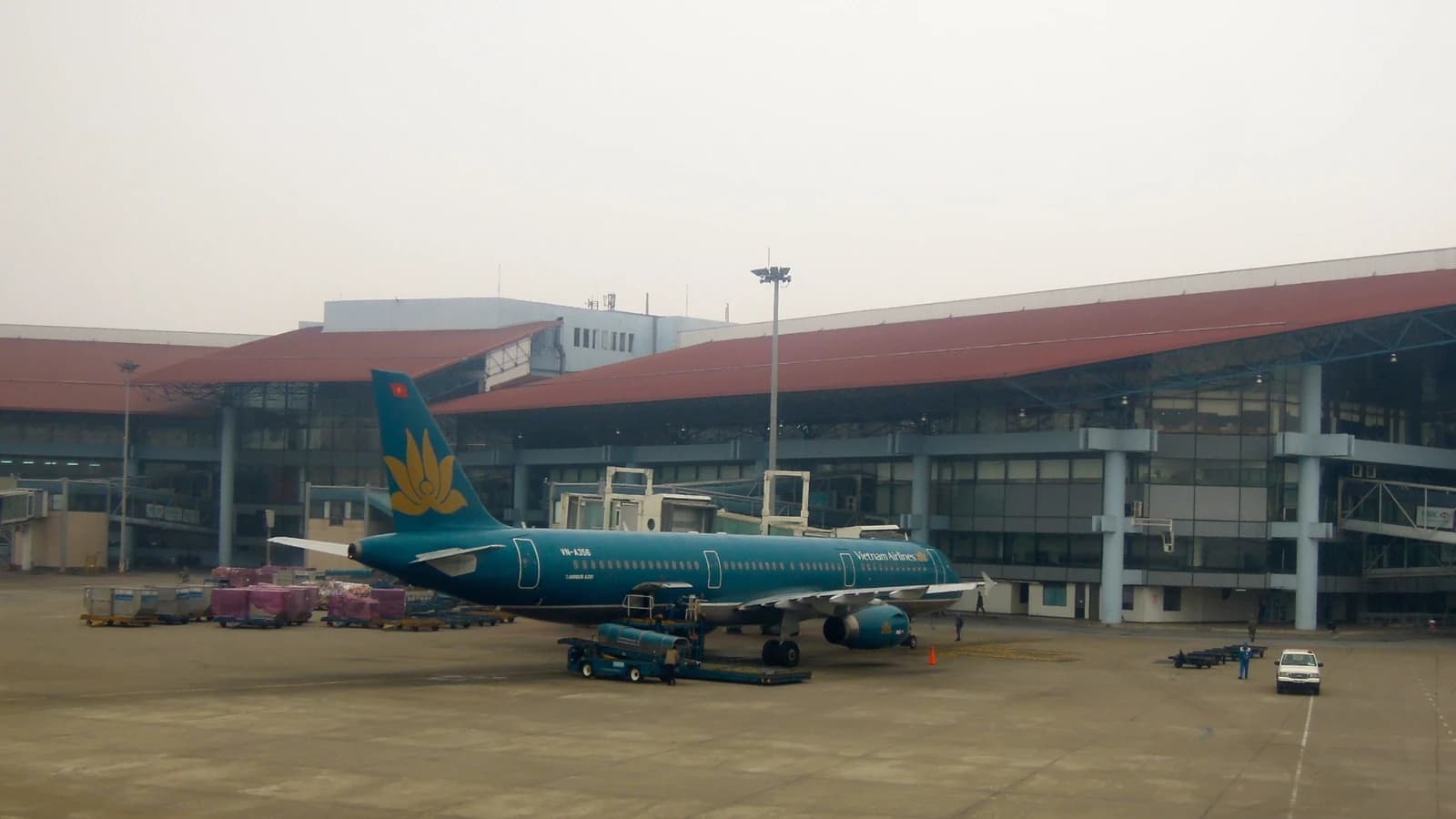
Vietnam Airlines is lowering domestic fares to Hanoi by as much as 10% as it turns the capital’s autumn season into a packaged tourism product, a move that underscores how Vietnam is shifting tourism from a volume game to a higher-value growth engine.
Vietnam Airlines cuts Hanoi domestic fares for autumn
That matters because Hanoi is now one of Vietnam’s designated tourism hubs under the government’s broader push to lift the sector into a major economic driver by 2030. The strategy is not just about filling seats. It is about extending stays, lifting per-visitor spending and bundling transport, culture and hospitality into a single revenue stream that can feed airlines, hotels, restaurants and event businesses.
The campaign, branded “Chạm Thu Hà Nội 2026,” was launched Sept. 18 by Hanoi city authorities and Vietnam Airlines under a 2025-2030 cultural-tourism cooperation agreement. The program packages autumn cuisine, cultural events, sports and music around the city’s most marketable season, with the airline framing the effort as a five-senses tourism product designed to give visitors more reasons to come — and return.
For Vietnam Airlines, the discount is less about sacrificing yield than defending network relevance and capturing higher ancillary demand. By attaching route pricing to a destination campaign, the carrier is trying to convert its domestic network into a distribution channel for city tourism, a model that can boost load factors while supporting hotel occupancy, ground transport and spending across Hanoi’s consumer economy.
The economics are straightforward. If the campaign succeeds in lengthening stays and increasing repeat visits, the payoff could be broader than a one-off fare cut. Tourism already sits near the center of Vietnam’s growth ambition, with the state aiming for 45 million to 50 million international arrivals and 160 million domestic trips by 2030. Hanoi’s role as a flagship destination makes it a natural test case for whether place-based branding can translate into measurable GDP contribution.
The move also shows how Vietnam is trying to compete for regional travel flows on experience, not just price. Hanoi has long had a seasonal advantage in autumn, but packaging that advantage with air-ticket promotions, cultural programming and outreach to embassies, international organizations and travel firms suggests a more coordinated push to capture inbound demand from higher-spending travelers.
Investors should view this as a positive read-through for Vietnam’s tourism ecosystem, especially airports, hospitality, leisure, consumer and transport names tied to domestic and inbound travel. The near-term impact on airline margins is modest, but the bigger question is whether this kind of collaboration becomes repeatable across other hubs such as Ho Chi Minh City, Da Nang and Phu Quoc.
If that happens, the market is underestimating the second-order beneficiaries of Vietnam’s tourism buildout. Airlines become demand distributors, cities become branded products, and the real upside accrues to businesses that can monetize longer stays and higher spend. The immediate trade is simple: watch for beneficiaries of Vietnam’s tourism capex and consumer reacceleration, while treating fare discounts as a customer-acquisition cost for a much larger growth story.
| Entity | Gains | Losses |
|---|---|---|
| Vietnam Airlines | ▲Higher load factors | ▼Short-term fare yield |
| Hanoi tourism businesses | ▲More visitors, longer stays | ▼None directly |
| Domestic travelers | ▲Lower ticket prices | ▼Fewer premium fares |
| Rival leisure destinations | ▲Some demand diverted | ▼Share of Vietnam travel spend |