Ho Chi Minh City has ordered the operator of metro line No. 1 to lift revenue to 900 billion dong by 2030, turning the city’s flagship rail project into a more commercially disciplined public transport business.
Ho Chi Minh City lifts Metro No. 1 revenue target
The target, set for Công ty TNHH MTV Đường sắt đô thị số 1, raises the stakes for the Bến Thành-Suối Tiên line by linking expansion of passenger traffic and service quality to a five-year plan for 2026-2030. The city also wants the company to protect and grow state capital while operating the line safely, continuously and efficiently.
Sentiment IndicatorsⓘProprietary · adalytica.com · September 10, 2026
This is a snapshot — live sentiment, awareness and momentum for 130+ markets update continuously in the dashboard.Open AlphaPulse
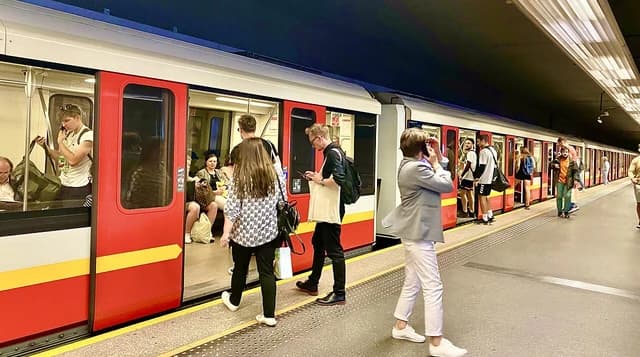
Under the plan, pre-tax profit is set to rise from more than 21.8 billion dong in 2026 to about 32 billion dong in 2030. The company has been told to review and adjust its strategy, draw up business plans and pursue solutions tied to Ho Chi Minh City’s double-digit growth ambitions for the period.
The revenue push matters because metro systems are not just transport infrastructure in a fast-growing city like Ho Chi Minh City; they are part of the broader effort to shift commuters away from private vehicles, improve urban mobility and support a more modern, higher-productivity economy. A better-used metro line can ease congestion, support urban development around stations and strengthen the case for further public transport investment.
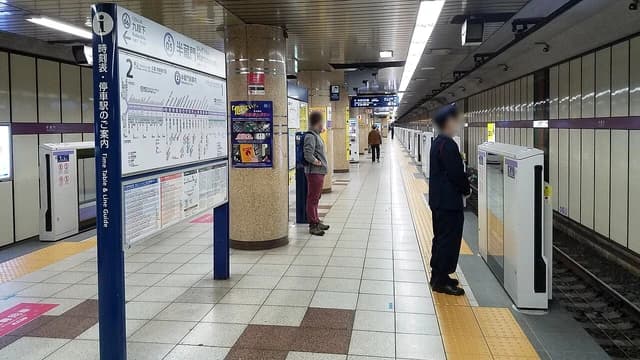
For investors and market watchers, the headline is less about near-term earnings and more about execution. The company’s ability to grow ridership, run more trains and keep service reliable will shape whether the metro becomes a self-sustaining asset or a continuing budget burden. The city’s directive also signals a more measurable approach to state-owned enterprise performance, which tends to matter for future funding, contractor demand and public investment planning.
The move fits a wider policy push to build out mass transit in Vietnam’s commercial hub as the city seeks faster growth and smarter infrastructure. But hitting the 900 billion dong revenue target will depend on stronger passenger adoption, better service and steady operations over several years.
| Entity | Gains | Losses |
|---|---|---|
| Metro No. 1 operator | ▲Higher revenue target; clearer mandate | ▼Pressure to deliver profits and ridership |
| Ho Chi Minh City | ▲Better public transport capacity; urban mobility gains | ▼Higher execution risk if targets are missed |
| Commuters | ▲Improved service and transit options | ▼Fewer benefits if fares or service lag |
| Private vehicle users | ▲Less congestion over time | ▼More competition from public transit |