Coffee prices in Vietnam fell below 94,000 dong a kilogram on Friday, extending a third straight session of declines as stronger export flows from Vietnam and improving supply prospects in Brazil kept pressure on both domestic and global markets.
Vietnam coffee prices fall below 94,000 dong
The latest drop matters because coffee had been one of the region’s hottest agricultural commodities earlier this year, but the balance is now shifting toward buyers as more beans reach the market. For growers, the correction squeezes revenue after months of elevated prices; for roasters and traders, it eases input-cost pressure and reduces the risk of shortages.
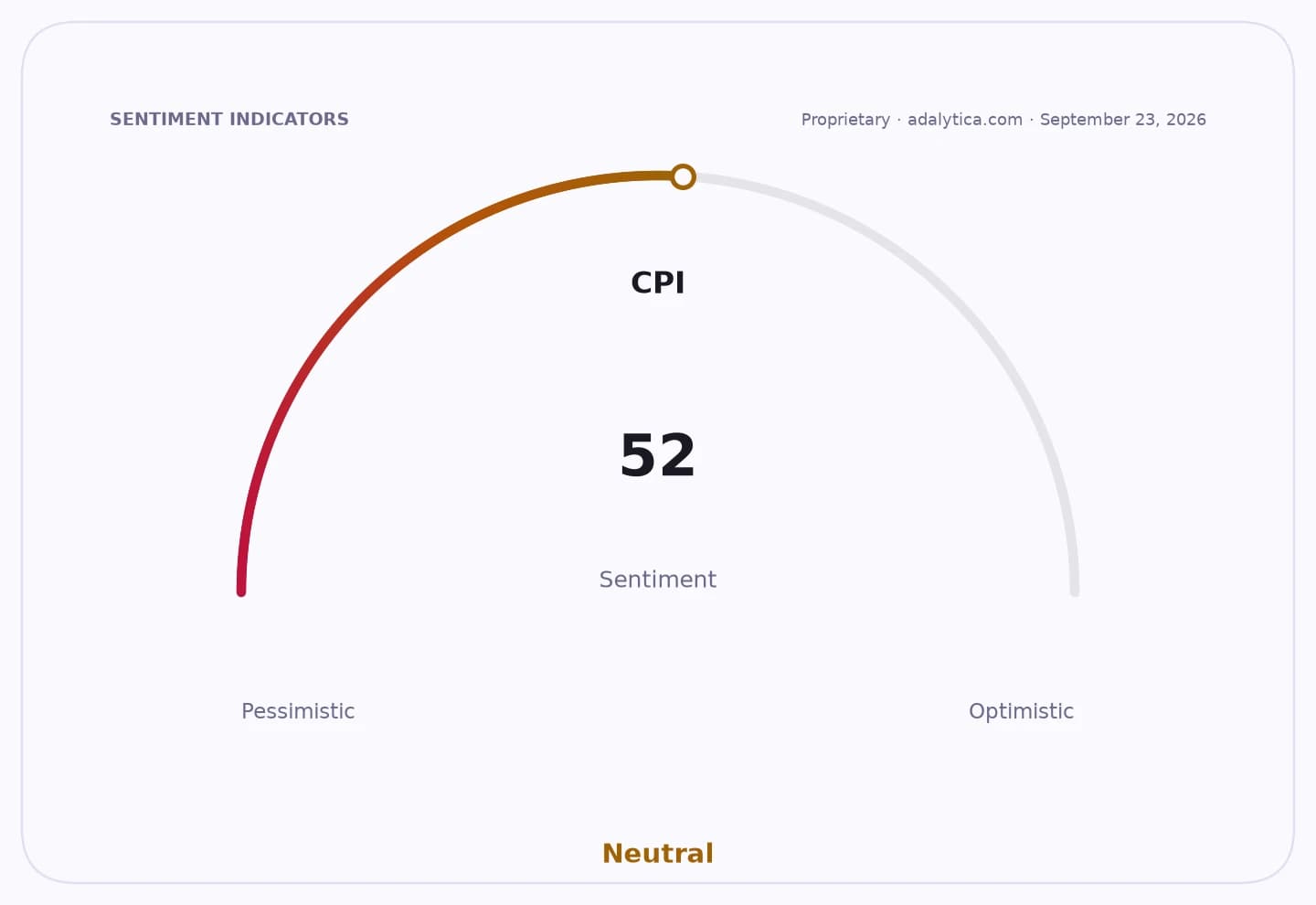
Sentiment IndicatorsⓘProprietary · adalytica.com · September 5, 2026
This is a snapshot — live sentiment, awareness and momentum for 130+ markets update continuously in the dashboard.Open AlphaPulse
In the Central Highlands, buying prices fell 500 dong a kilogram to 93,200-94,000 dong, with Dak Nong holding the highest level at 94,000 dong, while Dak Lak and Gia Lai slipped to 93,700 dong and Lam Dong to 93,200 dong. The move left only Dak Nong at the 94,000 dong mark, underscoring how quickly local prices have slipped after breaking below 95,000 dong in the prior session.
The weakness is being driven by global benchmarks as well. Robusta on London fell 0.81% to $3,298 a ton for September 2026 delivery and 0.94% to $3,374 for November, while arabica in New York dropped 1.23% to 324.35 cents a pound. Reuters said arabica touched a five-week low and robusta hit a 2.5-month trough as more favorable weather and better supply expectations damped sentiment.
Vietnam is adding to that pressure. The country shipped about 1.33 million tons of coffee in the first eight months of 2026, up 13.7% from a year earlier, even as export revenue fell 8.6% to roughly $6 billion, a sign that average selling prices have eased materially. August exports alone rose 13.7% to about 132,000 tons, adding more robusta to the world market and helping refill certified stocks.
Brazil is reinforcing the downtrend. Traders say export shipments are picking up as the harvest winds down, while StoneX now sees Brazil’s 2026-27 coffee crop at 77.2 million 60-kg bags, up 2.6% from its March forecast. Better rainfall has also lifted expectations for the next flowering cycle, especially for robusta, which could approach or exceed last season’s record if weather stays favorable.
The immediate risk for investors is that the supply story keeps overriding earlier tightness, which could cap any rebound in coffee futures and weaken producer pricing power further. The next market catalyst is weather in Brazil and the pace of exports from Vietnam, both of which will determine whether this correction deepens or stabilizes in the coming weeks.
| Entity | Gains | Losses |
|---|---|---|
| Coffee buyers/roasters | ▲Lower input costs | ▼Less urgency to hedge shortages |
| Vietnam exporters | ▲Higher shipment volumes | ▼Lower average export prices |
| Coffee growers | ▲— | ▼Softer farmgate prices |
| Brazil/Vietnam supply side | ▲Improved market access | ▼Weaker coffee prices |