Vietnam’s coffee farmers are still getting close to 100,000 dong a kilogram, even as world coffee prices ease and the broader agricultural complex sends mixed signals on supply and demand.
Vietnam Coffee Prices Stay Near 98,000 Dong
Robusta prices in London have come under pressure from rising inventories, while arabica remains better supported by tighter supply. In Vietnam’s Central Highlands, domestic coffee prices edged up 100 to 200 dong on Aug. 22 to 97,300-98,000 dong a kilogram, underscoring that local cash markets are still being propped up by strong global demand and the country’s role as the world’s biggest Robusta producer.
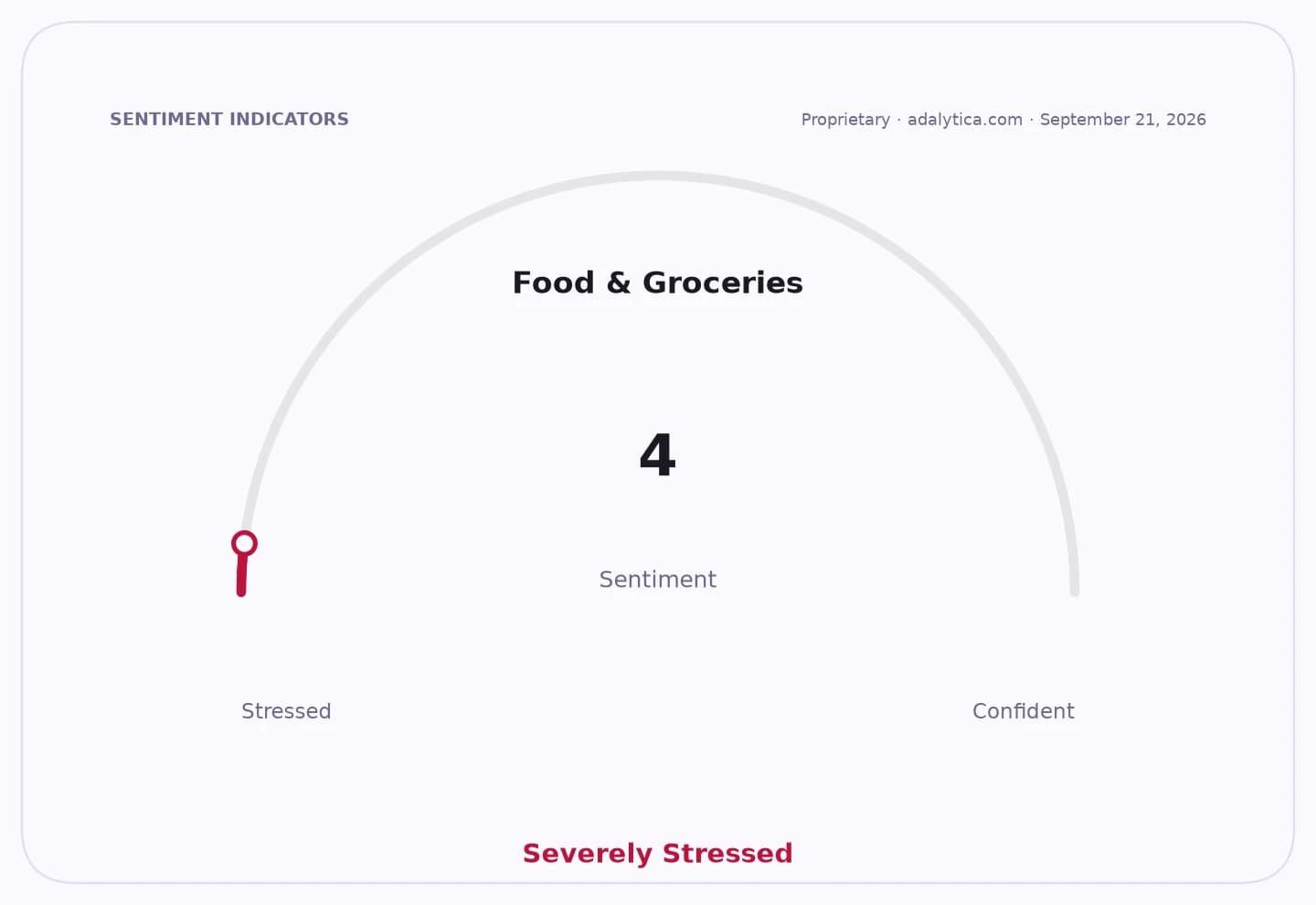
Sentiment IndicatorsⓘProprietary · adalytica.com · August 22, 2026
This is a snapshot — live sentiment, awareness and momentum for 130+ markets update continuously in the dashboard.Open AlphaPulse
The retreat in world coffee matters because Robusta is the benchmark for a large share of Vietnam’s export earnings and for instant coffee makers across Asia and Europe. A softer international price backdrop can narrow margins for exporters and traders, but it has not yet broken the domestic price trend, which has stayed elevated for several sessions.
Vietnam is also trying to climb further up the value chain in coffee, pushing more processed and specialty exports instead of relying mainly on raw beans. That strategy is designed to capture higher margins and reduce dependence on volatile green-bean prices, especially when world inventories and exchange-traded benchmarks are swinging.
At the same time, Vietnam’s rice sector is broadening its market reach, adding new buyers abroad as food trade remains sensitive to weather, freight costs and policy moves. For investors, the combination points to a farm-export economy that is still benefiting from strong pricing power in key commodities, even as global coffee benchmarks soften.
The next catalyst is whether Robusta inventories keep rising and whether Vietnam can turn new rice market access and higher-value coffee exports into more durable revenue growth.
| Entity | Gains | Losses |
|---|---|---|
| Vietnamese coffee farmers | ▲Elevated local prices | ▼Softer Robusta benchmark |
| Coffee exporters | ▲Strong global demand | ▼Margin pressure from falling world prices |
| Vietnam rice exporters | ▲New overseas markets | ▼Incumbent suppliers facing more competition |
| Roasters and food buyers | ▲Cheaper coffee inputs | ▼Producers and traders capturing less upside |