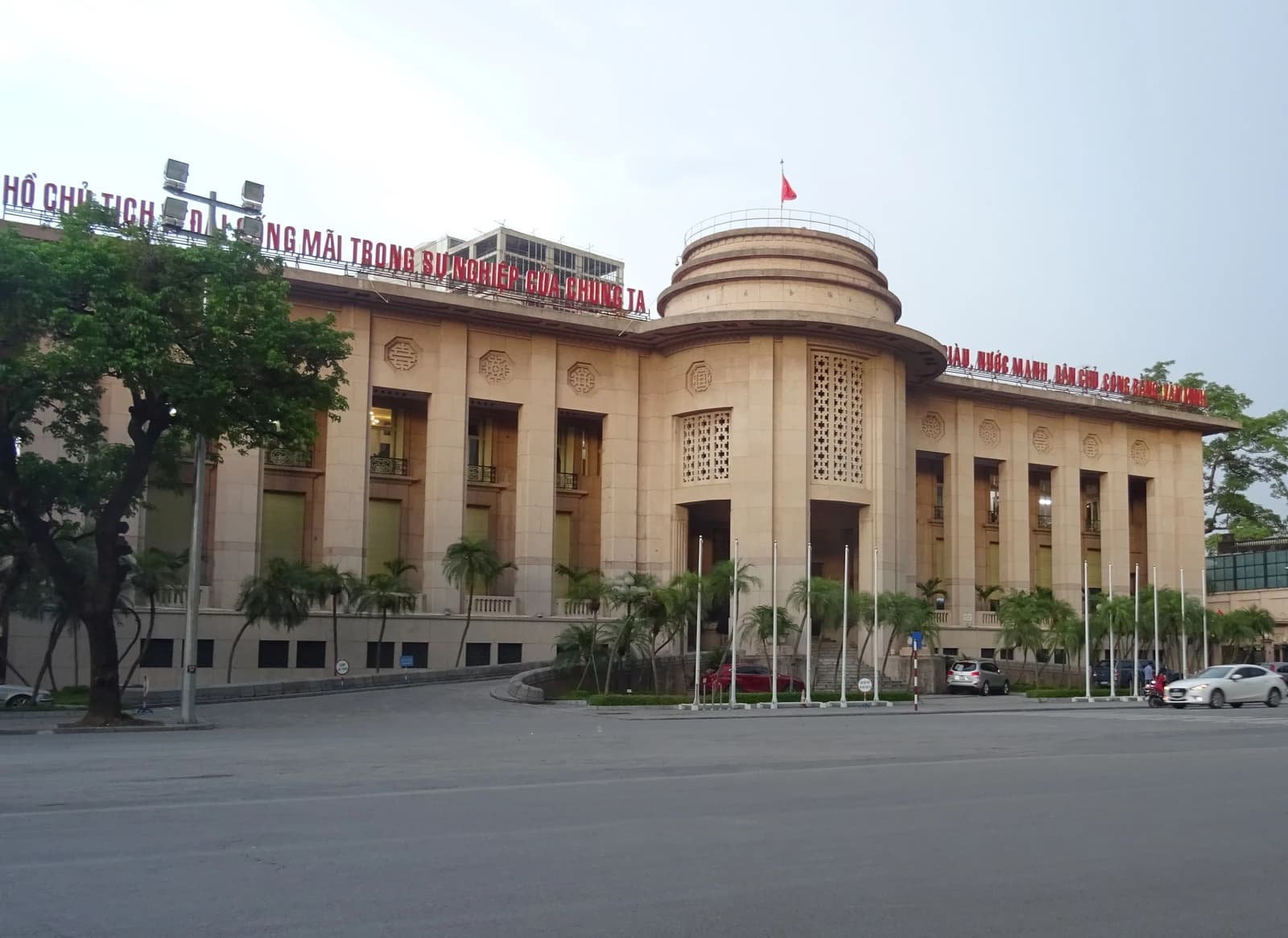
Vietnam’s credit expansion is back on a firm footing, and that matters because lending is doing the heavy lifting for an economy chasing another year of rapid growth. By the end of September, outstanding credit across the banking system had reached about 20.75 million billion dong, up 11.59% from the start of the year and 16.69% from a year earlier, according to the State Bank of Vietnam.
Vietnam Credit Growth Reaches 11.59% in September
That pace is close to the central bank’s policy target for the year and shows regulators are still comfortable using credit as a growth engine. For investors, that is a crucial signal: when authorities are leaning into lending rather than tightening it, the message is that policymakers want banks, developers and manufacturers to keep the economy moving through the final quarter.
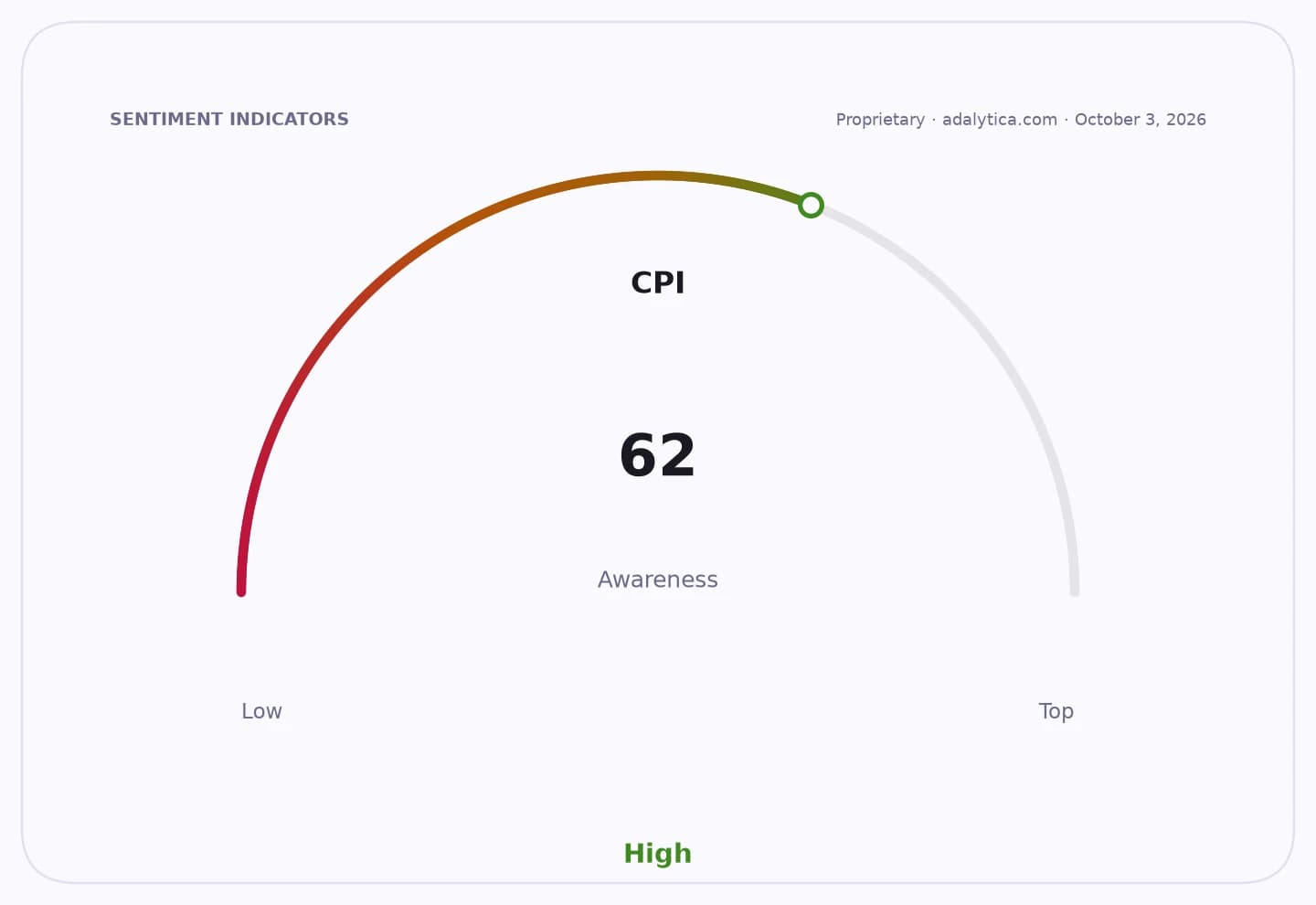
Sentiment IndicatorsⓘProprietary · adalytica.com · October 3, 2026
This is a snapshot — live sentiment, awareness and momentum for 130+ markets update continuously in the dashboard.Open AlphaPulse
The real story is not just the headline growth rate. It is where the money is going. The central bank has been steering lenders toward social housing, industrial parks, export zones, tourism projects and large infrastructure schemes with regional spillover effects. Loans in those categories are excluded from the credit-growth cap, giving banks more room to extend financing where the government wants it most.
That creates a familiar but important policy trade-off. Vietnam is trying to accelerate activity without letting risk build up in the wrong parts of the financial system. By channeling loans into priority sectors while keeping a closer watch on riskier ones, regulators are effectively asking banks to support growth and preserve stability at the same time.
The numbers suggest the strategy is working, at least for now. A preferential lending program for growth drivers and small and medium-sized enterprises has drawn 19 banks and about 409 trillion dong in registered commitments. Ten lenders have already disbursed around 18.6 trillion dong to nearly 12,900 customers, with interest rates 1 to 3.6 percentage points below normal levels at participating banks. Another program backing high-quality, low-emission rice production in the Mekong Delta has disbursed about 5 trillion dong.
For households and companies, cheaper credit can be a real boost. For investors, it supports the case for banks with strong loan growth, construction-linked businesses, industrial property owners and firms tied to domestic demand. It also helps explain why Vietnam’s broader economy has held up so well: industrial production, retail sales, trade and foreign direct investment have all been expanding at a brisk clip, giving lenders more opportunities to deploy capital.
The upside, though, comes with a caveat. Faster credit growth can be a positive for earnings and GDP, but only if asset quality stays under control. That is why the State Bank’s pledge to keep funding flowing to priority areas while tightening scrutiny on riskier segments matters so much. The next question is not whether credit can grow; it is whether it can keep growing without creating stress later.
With the government still targeting double-digit full-year GDP growth and the fourth quarter viewed as decisive, Vietnam is clearly betting that abundant credit, investment spending and policy support can keep the expansion running. For long-term investors, the message is straightforward: Vietnam remains a growth market worth watching, especially if banks can turn this lending push into durable earnings and healthier balance-sheet expansion.
| Entity | Gains | Losses |
|---|---|---|
| Vietnamese banks | ▲Faster loan growth | ▼Tighter risk oversight |
| Priority sectors | ▲Cheaper financing | ▼Less capital for risky borrowers |
| Government/economy | ▲Stronger GDP momentum | ▼Higher leverage buildup risk |
| Savers/defensive lenders | ▲Relative stability | ▼Missed credit upside |