Vietnam’s new crypto sanctions do not force investors to dump Bitcoin or Ethereum held on overseas exchanges, but they do draw a hard line around future trading, advertising and market promotion that could reshape where capital and attention flow in the country’s digital-asset market.
Vietnam crypto sanctions spare overseas Bitcoin holders

The most immediate economic effect is regulatory clarity. Under Decree 284, which takes effect Sept. 1, 2026, individuals who trade outside exchanges licensed by Vietnam’s finance ministry can be fined 15 million to 25 million dong, while organizations face 30 million to 50 million dong. But lawyers say investors who simply continue holding coins on platforms such as Binance are not subject to penalties yet, and are not required to liquidate.
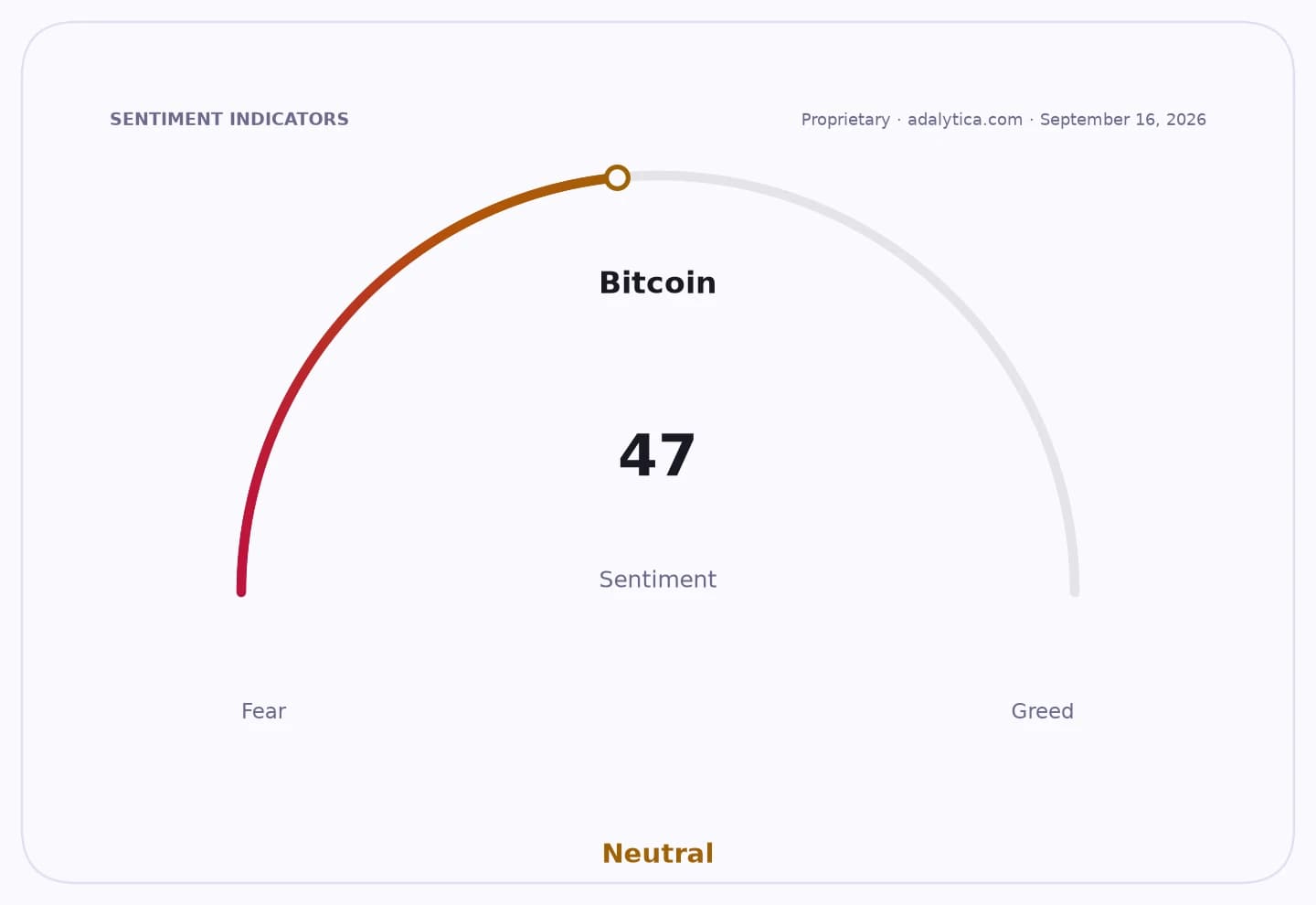
Sentiment IndicatorsⓘProprietary · adalytica.com · September 8, 2026
This is a snapshot — live sentiment, awareness and momentum for 130+ markets update continuously in the dashboard.Open AlphaPulse

That distinction matters because the market’s real risk is not custody, but behavior. Vietnam is signaling that passive ownership will be tolerated during the transition, while unlicensed execution, cross-border solicitation and promotional activity will be policed far more aggressively. The regime sets up a six-month grace period after the first licensed provider is approved, meaning the crackdown on new trades over unauthorized venues only begins once that clock starts.
For investors, that reduces the chance of a forced selling wave, which is why Bitcoin’s underlying market has not behaved like a panic trade. Bitcoin was last around $78,617, well above its 50-day moving average near $69,962 and its 200-day average near $69,867, showing the broader trend remains constructive even after a sharp pullback from earlier highs. But sentiment is fragile: Adalytica’s Bitcoin Fear & Greed Index sits at 17, or extreme fear, after a steep weekly drop.
The policy also creates winners and losers across the crypto ecosystem. Licensed exchanges, compliance providers and payment rails stand to gain as traders migrate toward regulated venues. Unlicensed offshore platforms, anonymous Telegram promoters and so-called KOLs pushing coins on Facebook and TikTok are the clear losers. Vietnam’s rules say unauthorized crypto advertising can draw fines of 90 million to 100 million dong for individuals and up to 200 million dong for organizations, with takedowns and corrections required. If promoters knowingly market scams or Ponzi schemes, they could face criminal exposure as accomplices to fraud.
That matters well beyond Vietnam. Crypto markets have been under pressure globally from enforcement and fraud concerns, and the new rules fit a broader pattern of governments trying to separate legitimate digital-asset activity from speculative marketing and outright scams. The latest regulatory tightening also arrives as U.S. and international authorities step up cooperation against crypto fraud hubs, reinforcing the view that the industry’s next growth phase will be won by firms that can operate inside the rules, not outside them.
For investors, the opportunity is in the infrastructure layer. If Vietnam, like other markets, pushes activity toward licensed venues, the long-term beneficiaries are exchanges with strong compliance systems, custody providers, market makers and blockchain infrastructure operators that can navigate regulation at scale. The market underestimates how much value accrues when a speculative asset class becomes administratively legible.
The takeaway is simple: Vietnam is not banning Bitcoin ownership, but it is making unlicensed trading and promotion more expensive. Holders should document source of funds and avoid fresh transactions on unauthorized platforms, while investors looking for asymmetric upside should focus on regulated crypto infrastructure rather than the coins themselves.
| Entity | Gains | Losses |
|---|---|---|
| Licensed exchanges | ▲More order flow | ▼None |
| Offshore unlicensed platforms | ▲None | ▼Trading volume |
| KOLs/promoters | ▲None | ▼Fines, liability |
| Bitcoin holders on foreign exchanges | ▲No forced sale | ▼Higher compliance burden |