Vietnam’s long-awaited promotion by FTSE Russell is less a one-day market event than the start of a multi-year test of whether the country can turn index membership into durable capital.
Vietnam FTSE Upgrade and Market Reform Outlook

That distinction matters for investors. Being lifted into FTSE Russell’s secondary emerging market group should widen Vietnam’s access to global pools of money, support liquidity and give large domestic companies a better runway to raise capital. But the real prize is not the headline upgrade itself. It is whether Hanoi can use the next 12 to 24 months to fix the plumbing of the market — settlement, foreign access, disclosure and the quality of listings — so overseas investors stay after the index-tracking money arrives.
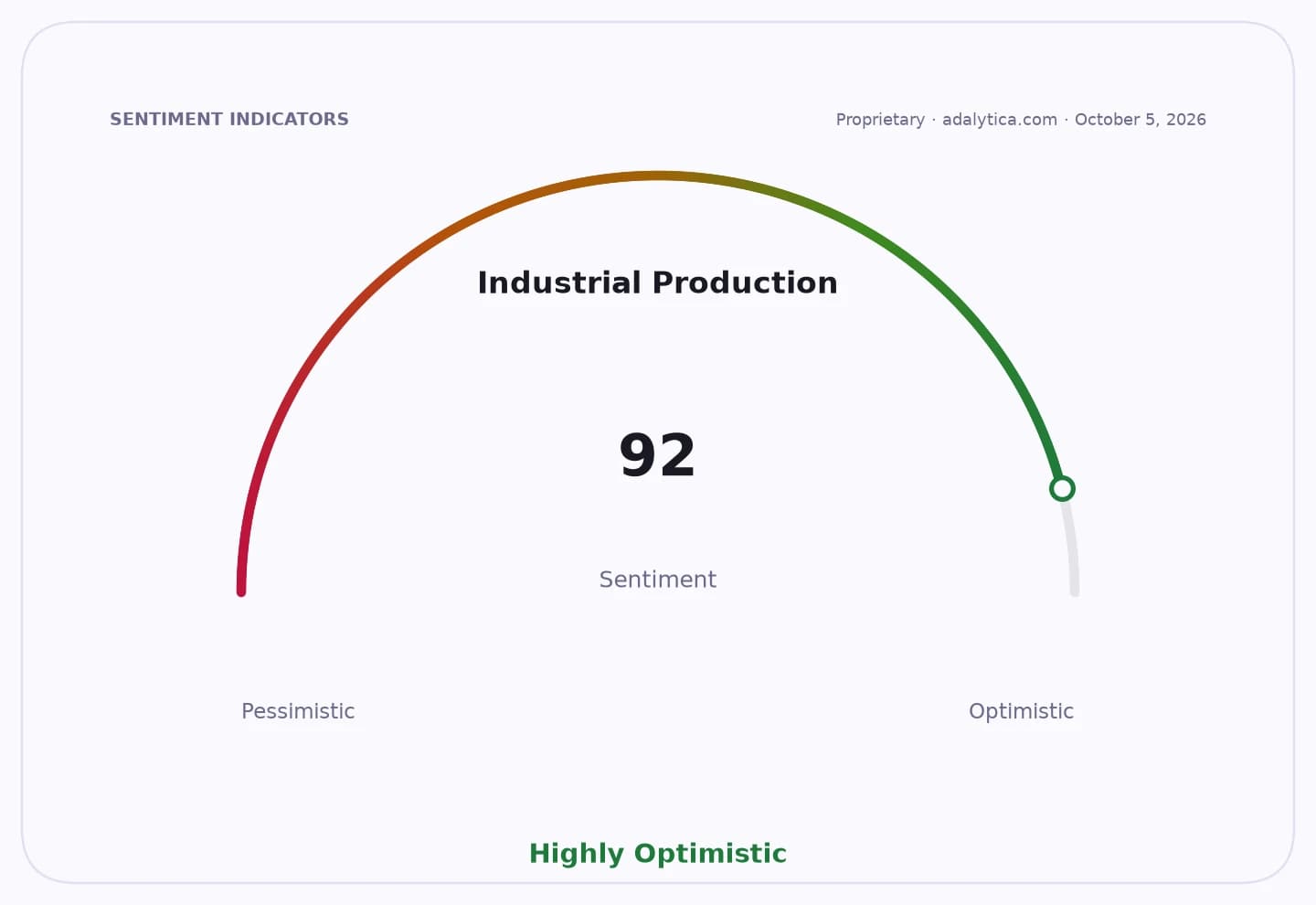
Sentiment IndicatorsⓘProprietary · adalytica.com · October 5, 2026
This is a snapshot — live sentiment, awareness and momentum for 130+ markets update continuously in the dashboard.Open AlphaPulse

Vietnamese officials are already signaling that they understand the difference. The Ministry of Finance says it will keep pushing institutional reform, with a securities law amendment due in the October 2026 legislative session and additional work on IPO rules, foreign ownership limits, green bonds and investor education. That is exactly the right emphasis. Index upgrades can attract flows; better institutions keep them there.
The upgrade should also matter to the real economy. Vietnam still relies heavily on bank lending and retail money for financing, which limits how efficiently capital is allocated. A deeper stock market can spread funding more broadly, lower the economy’s dependence on short-term credit and give companies another way to invest in factories, logistics and technology. For a country trying to sustain rapid growth, that matters as much as the label “emerging market.”
The catch is that the market still has bottlenecks that global investors know well. CCP clearing and non-prefunding rules remain key sticking points, and those are not cosmetic issues. They affect how easily foreign institutions can trade, manage risk and deploy larger allocations. FTSE inclusion will therefore be measured not just by the size of inflows, but by whether Vietnam can remove frictions that have kept many long-term investors underweight.
That is why the next phase matters more than the announcement day. FTSE said the inclusion process will be phased from September 2026 through September 2027, giving Vietnam a long runway to prove it can match international standards with consistent execution. If it does, the country could graduate from being a tactical trade to becoming a structural holding in emerging-market portfolios.
For investors, the lesson is simple: the upgrade is a milestone, not a finish line. Vietnam now has a clearer pathway to global capital, but the best gains are likely to go to patient investors who think in years, not weeks, and who watch whether reform keeps pace with ambition. For long-term portfolios, Vietnam deserves a place on the watchlist.
| Entity | Gains | Losses |
|---|---|---|
| Vietnam stocks | ▲More global attention | ▼Higher bar for reform |
| Foreign investors | ▲Broader access | ▼More rule-change risk |
| Domestic companies | ▲Cheaper capital | ▼Greater disclosure pressure |
| Retail-dominated market | ▲Better liquidity over time | ▼Less control of flows |