Vietnam’s gold market was largely unchanged on Nov. 4, but the bigger story is that domestic bullion remains far above international pricing even as global gold retreats, keeping the local market structurally elevated and expensive for buyers.
Vietnam gold prices stay above global benchmark
At SJC, DOJI and PNJ, gold bars were quoted at 138.2 million dong per tael for buying and 141.2 million dong for selling, unchanged from the prior session. The spread between the two sides was 3 million dong per tael, while some dealers offered even wider gaps: Bảo Tín Minh Châu’s spread reached 5.3 million dong and Phú Quý’s 4.6 million dong, underscoring how costly it is to enter and exit the market.
Sentiment Indicators
The premium over global prices remains the key economic issue. Spot gold eased to about $3,931 an ounce on Nov. 4, down more than $16 from the previous day. Converted at Vietcombank’s exchange rate, that implies a global-equivalent price of roughly 123.5 million dong per tael, before taxes and fees. Against SJC’s 141.2 million dong selling price, Vietnamese gold was about 17.1 million dong per tael more expensive, a gap that has persisted despite the softer international tone.
For the domestic economy, this kind of dislocation matters because it points to a market driven less by near-term world pricing and more by local supply-demand imbalances, brand premiums and rigid retail structures. It also means household buyers are paying up for a metal that has not fallen in step with the global benchmark, limiting the usual arbitrage that might otherwise compress local prices.
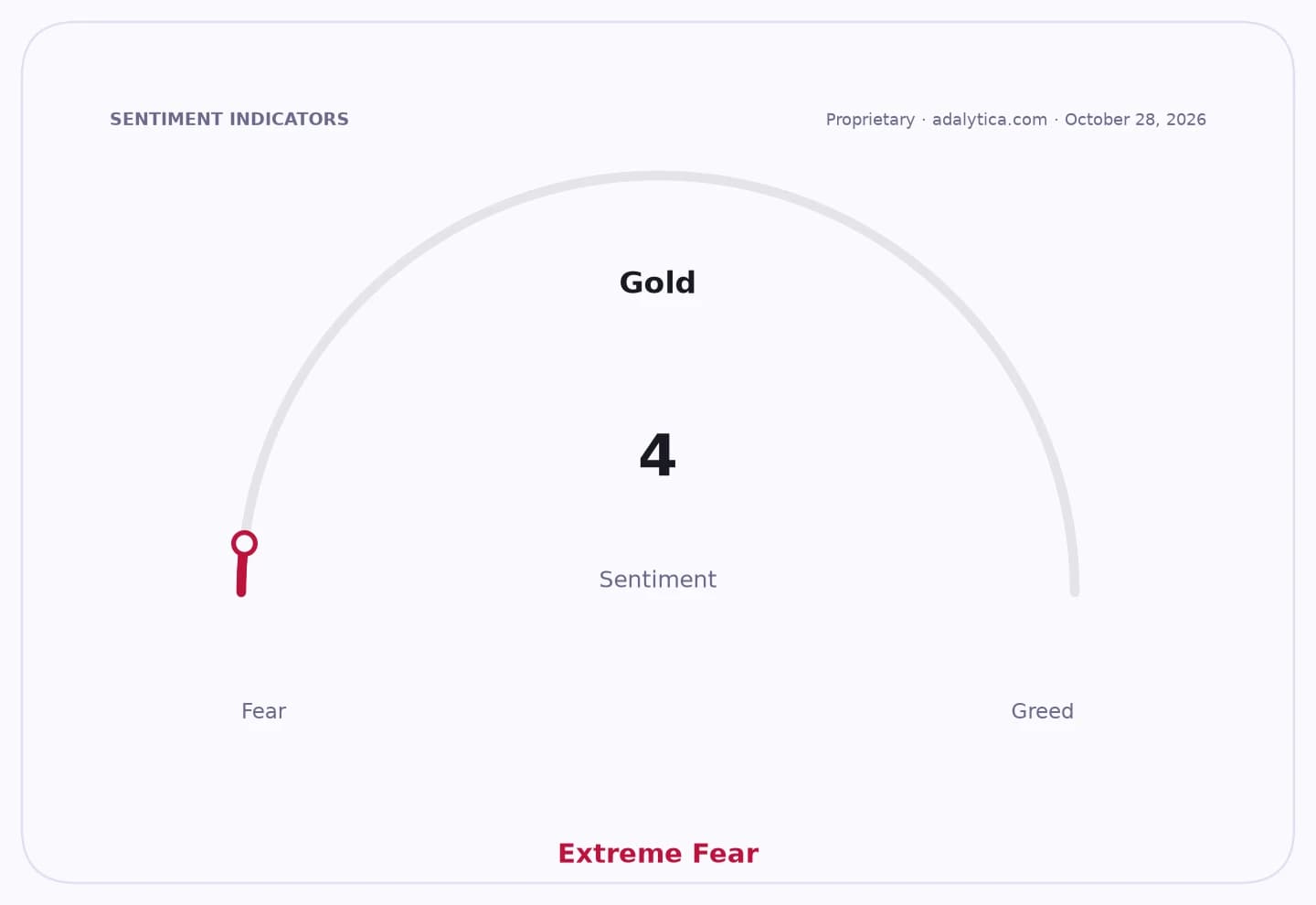
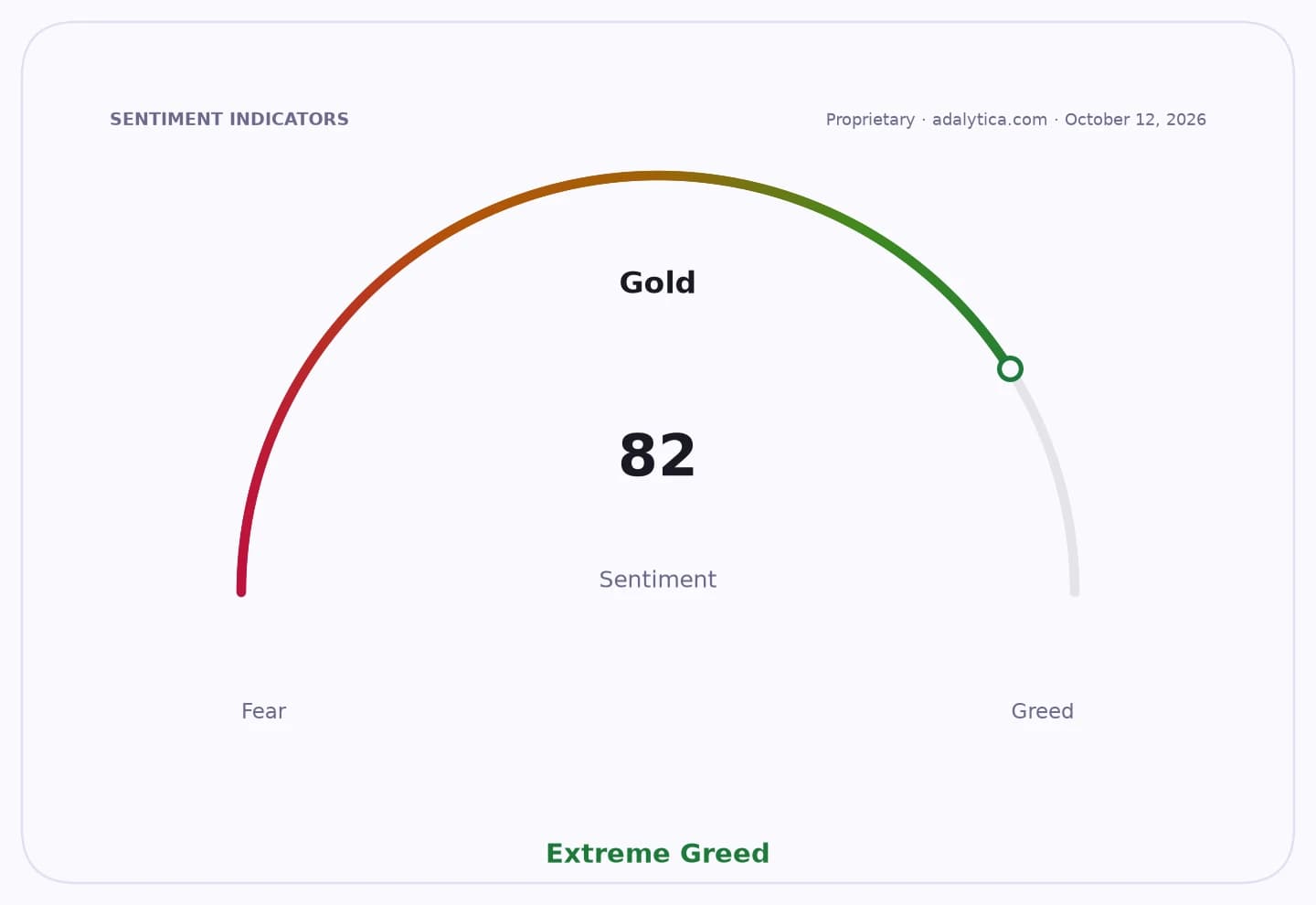
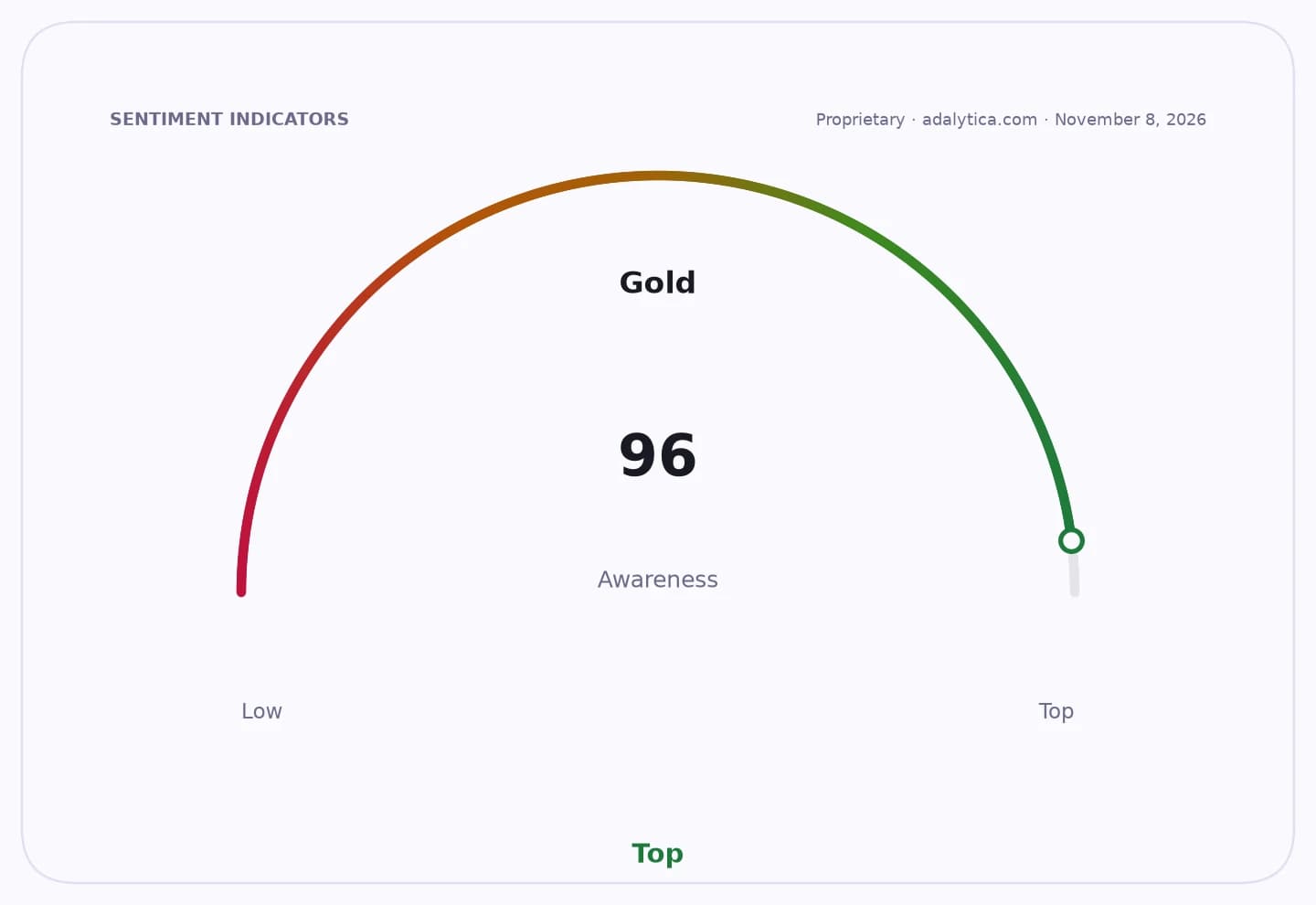
For investors, the split between world gold and Vietnamese bullion has two implications. First, it raises the risk of mark-to-market losses for anyone buying at elevated domestic levels if the premium narrows later. Second, it keeps attention on global gold vehicles such as GLD, which rebounded to $372.49 on Nov. 4 and $375.49 the next day, while major producers including Harmony Gold and Gold Miners ETF related names have also remained sensitive to swings in the underlying metal. The Adalytica Gold Fear & Greed Index showed sentiment in fear territory even as awareness remained extreme, a sign that the market’s attention is high but conviction is unstable.
The split also matters for gold retailers and bullion dealers. Wide buy-sell spreads help protect margins, but they can dampen trading activity and leave consumers more exposed to price risk. That is especially relevant in a market where bars and rings are priced differently across brands and where selling back into the market can mean taking an immediate haircut.
For now, the message from Nov. 4 is simple: domestic gold is not moving much, but it remains highly distorted. Unless global prices rise again or the local premium narrows, Vietnam’s bullion market is likely to stay out of sync with the international benchmark, and that keeps both buyers and traders on alert.
| Entity | Gains | Losses |
|---|---|---|
| SJC/major bullion dealers | ▲Wider spreads | ▼Lower turnover |
| Current gold holders | ▲High nominal prices | ▼Risk of premium compression |
| New buyers | ▲— | ▼Elevated entry cost |
| Global gold investors | ▲Better relative pricing | ▼Vietnam bullion premium gap |