Hanoi’s pipeline of workers heading to Japan has shrunk sharply, and that matters because it shows how currency swings and bureaucratic friction can quickly drain a key Asian labor route that has long helped fill shortages at home and abroad.
Vietnamese job applications to Japan fall 60%
Applications for jobs in Japan from Hanoi have fallen 60%, according to the source cited in the report, as the yen’s decline erodes the appeal of earning abroad while would-be migrants face exit waits of six to seven months. The slowdown is economically important because labor migration is not just a household income story; it is a cross-border capital flow that supports recruiters, training centers, remittance corridors and Japanese employers that depend on foreign workers to keep factories, construction sites and service businesses staffed.
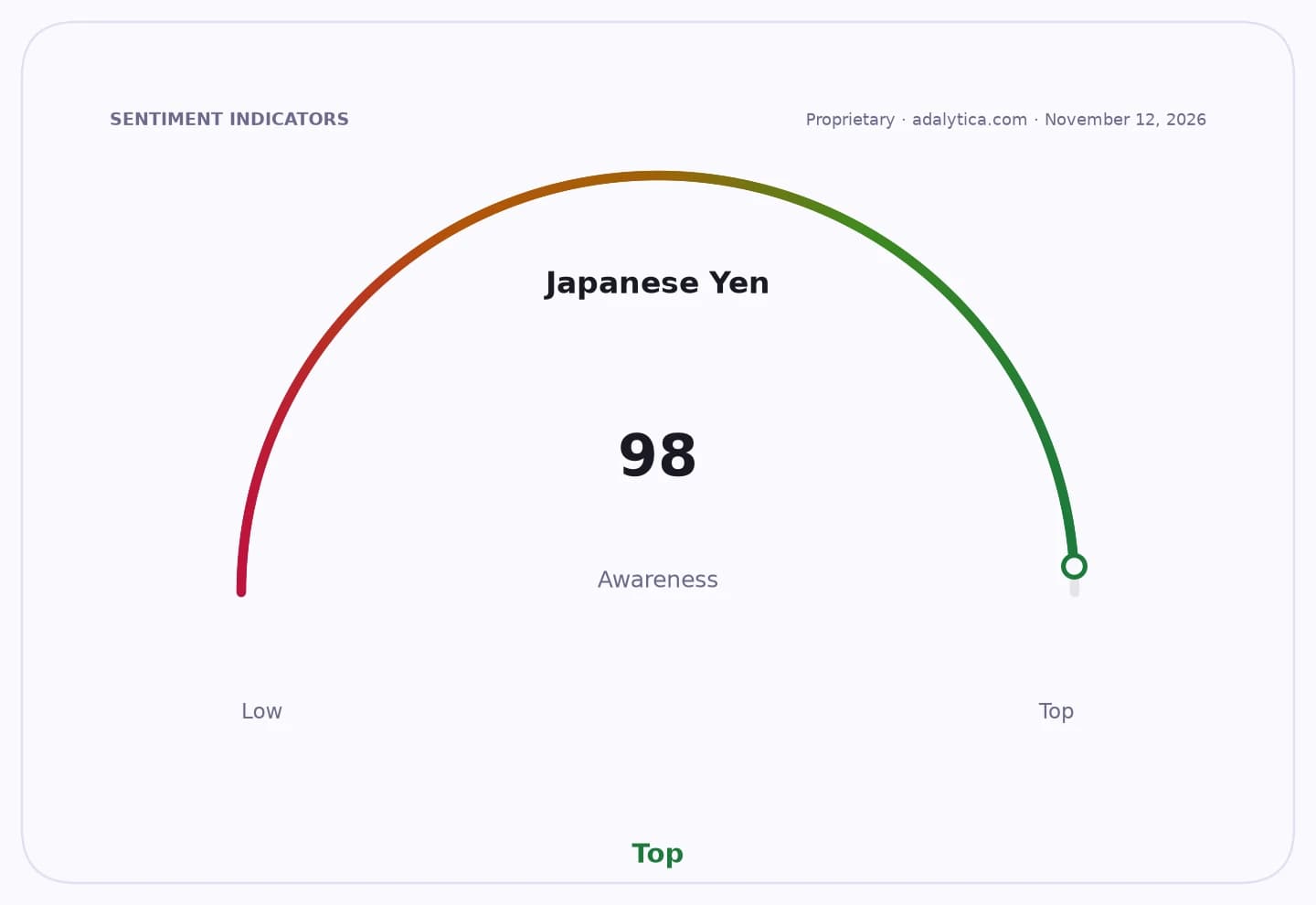
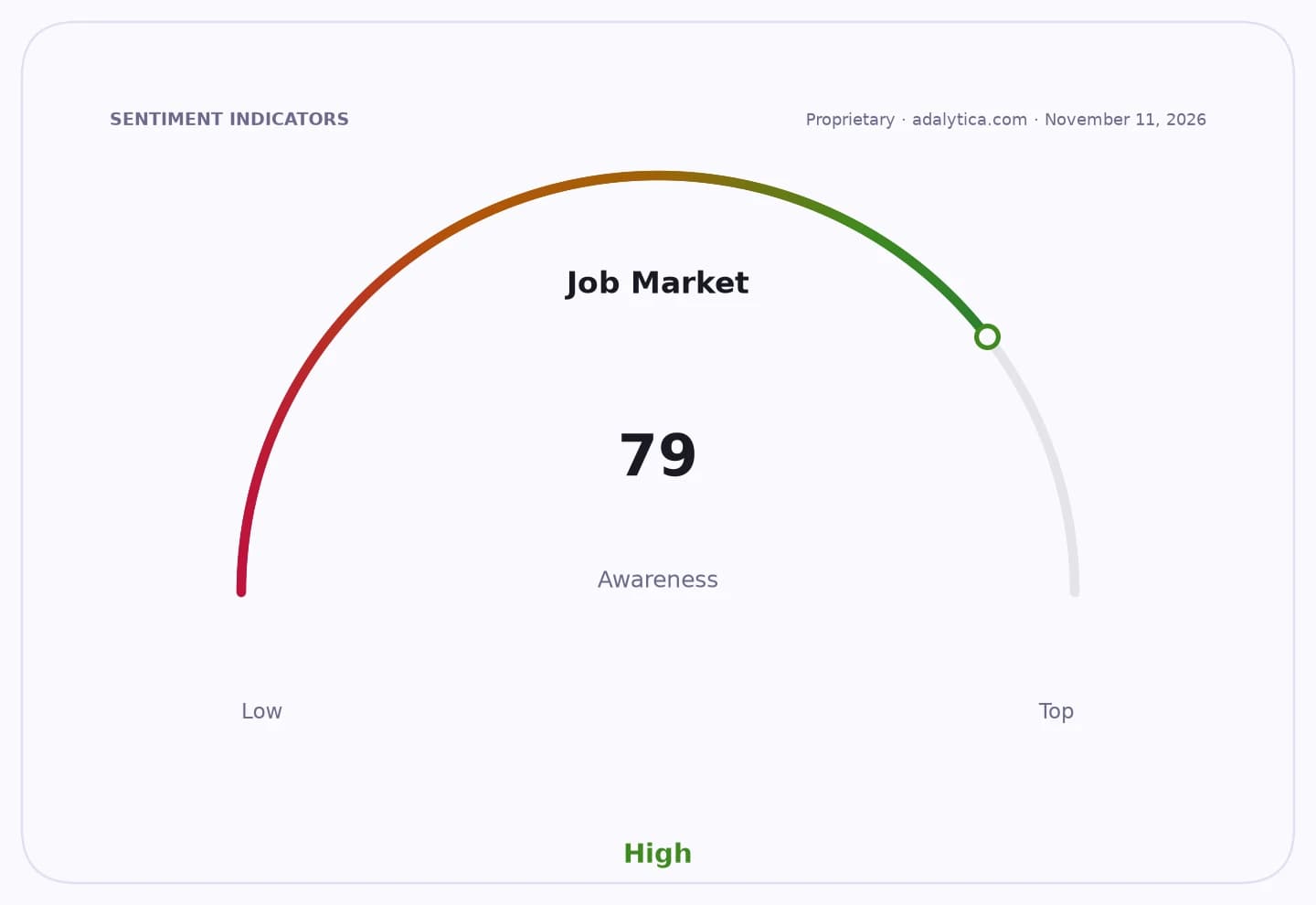
Sentiment Indicators
For investors, the message is that the yen’s weakness is doing more than pressuring Japanese consumers and importers. A cheaper yen reduces the real value of wages paid in Japan for Vietnamese workers, making recruitment harder just as Japan’s aging labor force keeps demand elevated. That can squeeze staffing agencies, vocational trainers and manpower brokers that built business models on steady outbound flows. It also raises the risk of tighter labor bottlenecks for Japanese firms already facing demographic scarcity, which can translate into higher wage costs, slower output growth and more pressure to automate.
The six- to seven-month waiting period adds another layer of friction. In migration markets, timing is economics: the longer candidates wait, the more likely they are to switch destinations, drop out or choose domestic work instead. That means the slowdown is not just a temporary dip in enthusiasm; it reflects a weakening of the entire pipeline. The market underestimates how quickly such pipelines can break once currency headwinds combine with administrative delays.
That backdrop fits a broader shift in Japan’s labor market. Even as unemployment remains low, the country’s demographic squeeze continues to force companies to compete for workers at home and abroad. Foreign labor has been a pressure valve for years, and any sustained drop in recruitment could force employers to spend more on wages, housing support and retention. The beneficiaries are likely to be automation suppliers, robotics names and domestic employers able to absorb wage inflation. The losers are recruitment intermediaries, Japanese SMEs reliant on imported labor and Vietnamese workers whose overseas income option is suddenly less attractive.
The trade setup is straightforward: if the yen stays weak and processing times remain long, the current decline in candidate flow could deepen. That would reinforce Japan’s structural labor shortage and push more capital toward labor-saving technology. For investors, the cleanest thesis is to watch for second-order winners in automation and industrial productivity, while being cautious on businesses exposed to Japan-bound labor migration and wage-sensitive sectors that cannot pass on higher staffing costs.
| Entity | Gains | Losses |
|---|---|---|
| Japanese automation firms | ▲More demand for labor-saving tech | ▼None |
| Japanese employers | ▲Temporary access to cheaper labor if inflows hold | ▼Higher wage pressure, staffing gaps |
| Vietnamese recruiters/training centers | ▲Higher urgency for diversification | ▼Fewer Japan-bound candidates |
| Vietnamese workers | ▲Alternative domestic jobs may open | ▼Lower overseas earnings opportunity |