Vietnamese investors have pushed securities margin debt to a record more than 457,500 billion dong even as market liquidity weakens, a mismatch that raises the risk of forced selling if share prices keep sliding.
Vietnam margin debt hits record as liquidity weakens
That matters because margin borrowing is not just a sign of optimism; it is a measure of leverage sitting inside the market. When borrowing rises faster than turnover, investors are taking on more risk without the natural cushion of deep, active trading. In a market where many stocks have already fallen back to levels seen before the summer rally, that can turn a routine pullback into a sharper, self-reinforcing decline.
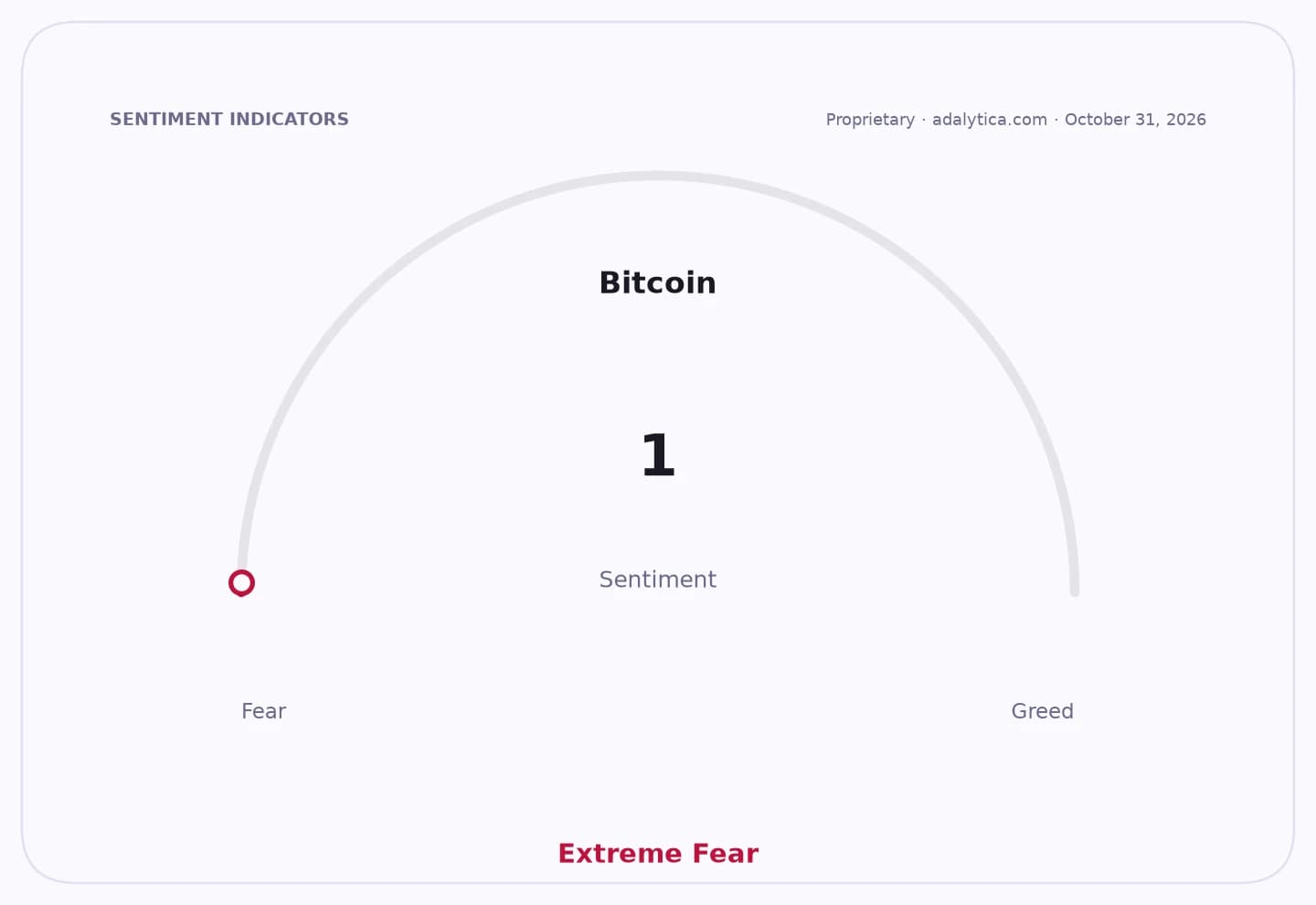
Sentiment Indicators
Data from FiinTrade show margin debt at 78 brokerages — accounting for 99.6% of industry equity — climbed to more than 457,500 billion dong at the end of September, up 11,700 billion dong from the previous month and 56,400 billion dong from the end of last year. It was the highest level on record, even though the pace of growth slowed from the prior quarter.
The bigger concern for investors is the split between leverage and activity. Average daily trading value in the third quarter fell 22.6% from the previous quarter to about 14,800 billion dong, and is now far below the peak seen in the third quarter of 2025. In other words, more money is being borrowed, but less stock is changing hands.
That divergence suggests the borrowing is not being used purely for fresh speculation. Some investors may be holding on to existing positions in the hope of a rebound after stocks fell back from recent highs. Some margin balances may also reflect bespoke financing tied to corporate or large-shareholder activity rather than retail trading, which helps explain why leverage can rise even as market turnover fades.
The risk for the market is liquidation. If collateral values fall and margin ratios slip below maintenance levels, brokerages can demand additional assets or sell shares to recover loans. In a thin market, that kind of selling can hit prices harder, trigger more margin calls and spread pressure across other stocks — especially in names with high margin usage or limited liquidity.
The burden is uneven across brokerages too. Larger firms such as VPS and SSI saw margin balances shrink in the quarter, while some mid-sized and smaller firms expanded lending rapidly. VCBS lifted outstanding loans 21%, ACBS, BSI and SHS also posted gains, and HDS more than doubled its margin book in the quarter to nearly 10,700 billion dong.
For long-term investors, the lesson is simple: record leverage is not the same thing as a healthy market. It can support prices for a time, but it also leaves the system more fragile if sentiment turns. Vietnam’s equity market is still capable of producing strong, stock-specific rallies, yet the current setup argues for selectivity, cash discipline and an awareness that a crowded leverage trade can unwind quickly. For patient investors, that may create opportunities — but it also makes risk management worth watching closely.
| Entity | Gains | Losses |
|---|---|---|
| Securities brokers | ▲Interest income from lending | ▼Higher default and liquidation risk |
| Leveraged investors | ▲More buying power | ▼Bigger losses in a downturn |
| Cash-rich buyers | ▲Opportunities from forced selling | ▼— |
| Market stability | ▲— | ▼Greater volatility and domino selling |