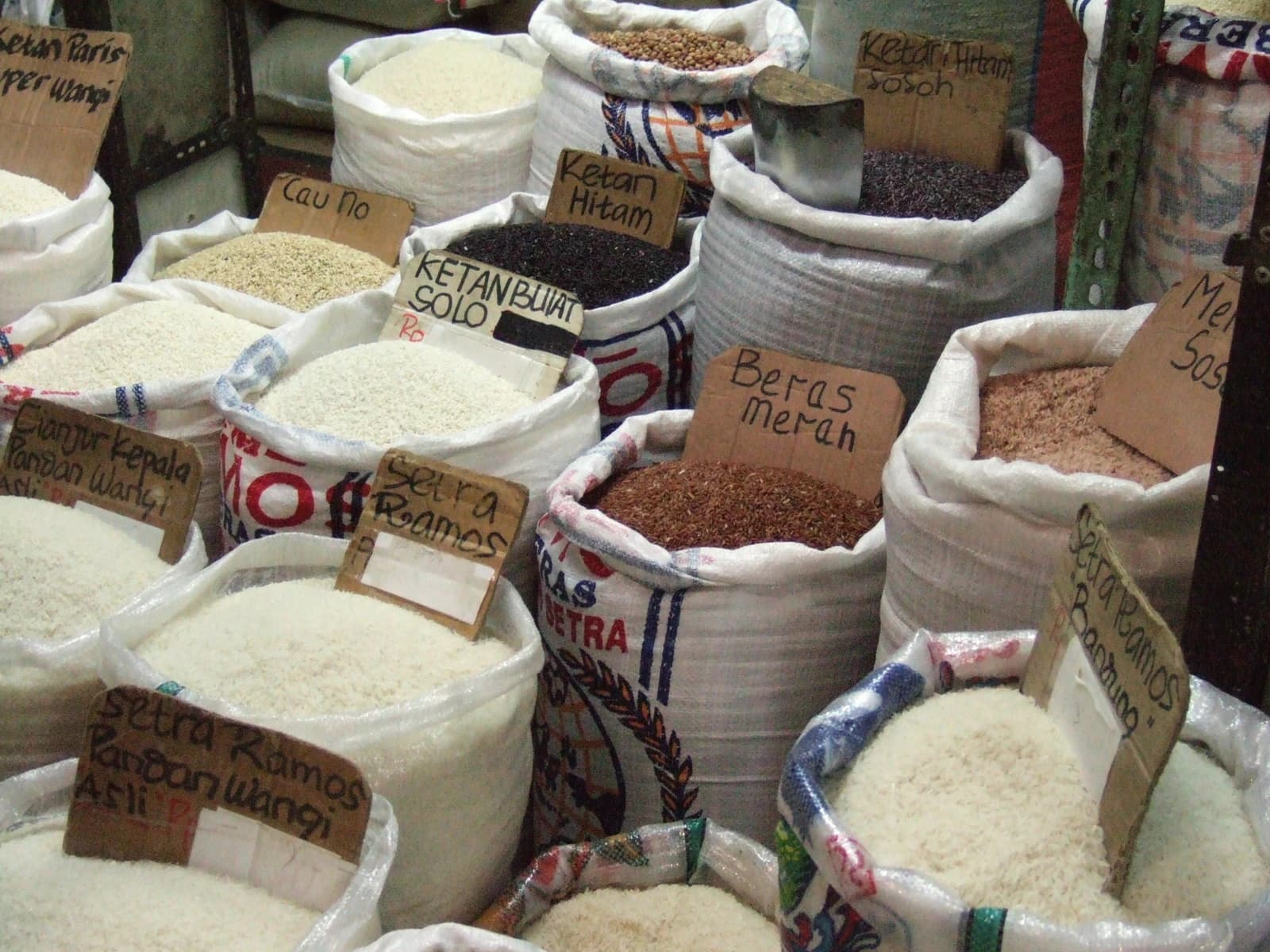
Vietnam is rewriting the rules of its rice trade just as global supply remains tight, easing some export barriers for higher-value rice while tightening oversight of the broader industry ahead of an October 1, 2026 start date.
Vietnam eases premium rice export rules
Decree 365/2026/ND-CP gives exporters of organic, parboiled and micronutrient-enriched rice a lighter touch by exempting them from the business eligibility certificate, mandatory circulation reserves and reporting obligations. That is the most economically important change in the package because it lowers friction for value-added rice shipments, where Vietnam is trying to compete on margins rather than volume alone.
At the same time, the decree leaves the core market under stricter supervision. Only firms with a certificate may receive export mandates from others, and traders must still have at least one dedicated rice warehouse and one milling facility meeting food safety and technical standards. The Ministry of Industry and Trade can revoke certificates for false disclosures, prolonged inactivity, failure to maintain reserves or persistent non-compliance, and importers must notify the ministry of their plans.
For exporters, the policy is a mixed blessing. Larger, compliant players with storage and milling assets should benefit from clearer rules and a more defensible operating model. Smaller traders that relied on looser enforcement may face higher compliance costs, especially if they want access to the mainstream export market rather than the exempt premium categories. Foreign-invested traders already operating before 2010 are allowed to continue under existing licenses, reducing immediate disruption.
The timing matters because rice prices have been under pressure from tight supply dynamics and rising input costs, while governments across Asia continue to intervene to protect food security and manage domestic inflation. Vietnam is trying to walk a narrow line: support farm incomes and export competitiveness without letting weak oversight distort domestic availability. That balance is especially important in a market where global buyers are sensitive to price, quality and reliability after repeated shocks to grain supply chains.
Investors and trade participants will be watching whether the exemptions actually lift shipments of organic and premium rice, and whether stricter controls on warehouses and mills shrink the number of exporters or simply professionalize the sector. The biggest winners are likely to be certified, integrated rice companies with storage and processing capacity; the losers are informal traders, non-compliant operators and buyers that depended on easier access to Vietnam’s export channel.
The transition period also suggests the government wants to avoid disruption. Existing certificates remain valid until expiry, pending applications will be processed under the old regime, and the new creditworthiness review for exporters does not start until January 2028. That leaves a long runway for companies to adjust before the regime fully resets, but the direction is clear: Vietnam wants a smaller, cleaner and more traceable rice trade.
| Entity | Gains | Losses |
|---|---|---|
| Certified rice exporters | ▲Easier premium exports | ▼Higher compliance burden |
| Organic/parboiled rice traders | ▲No certificate needed | ▼Less access for informal sellers |
| Mills and warehouse owners | ▲Stronger competitive moat | ▼Scrutiny on standards |
| Small unregistered traders | ▲— | ▼Risk of exclusion |