Vietnam’s National Assembly Standing Committee is weighing a broad tax-law overhaul that would give public schools and some non-profit private education providers relief from corporate income tax and non-agricultural land tax, while resisting a separate push to exempt school and hospital meal providers from tax.
Vietnam tax overhaul targets schools, meal providers
The debate matters because the package could reshape the cost base for education providers and the state’s tax take at a time when Hanoi is trying to expand access to schooling and tighten the legal framework for tax incentives. The government says the changes are meant to institutionalize Communist Party policy on education and land use and to support a 2027 implementation timeline.
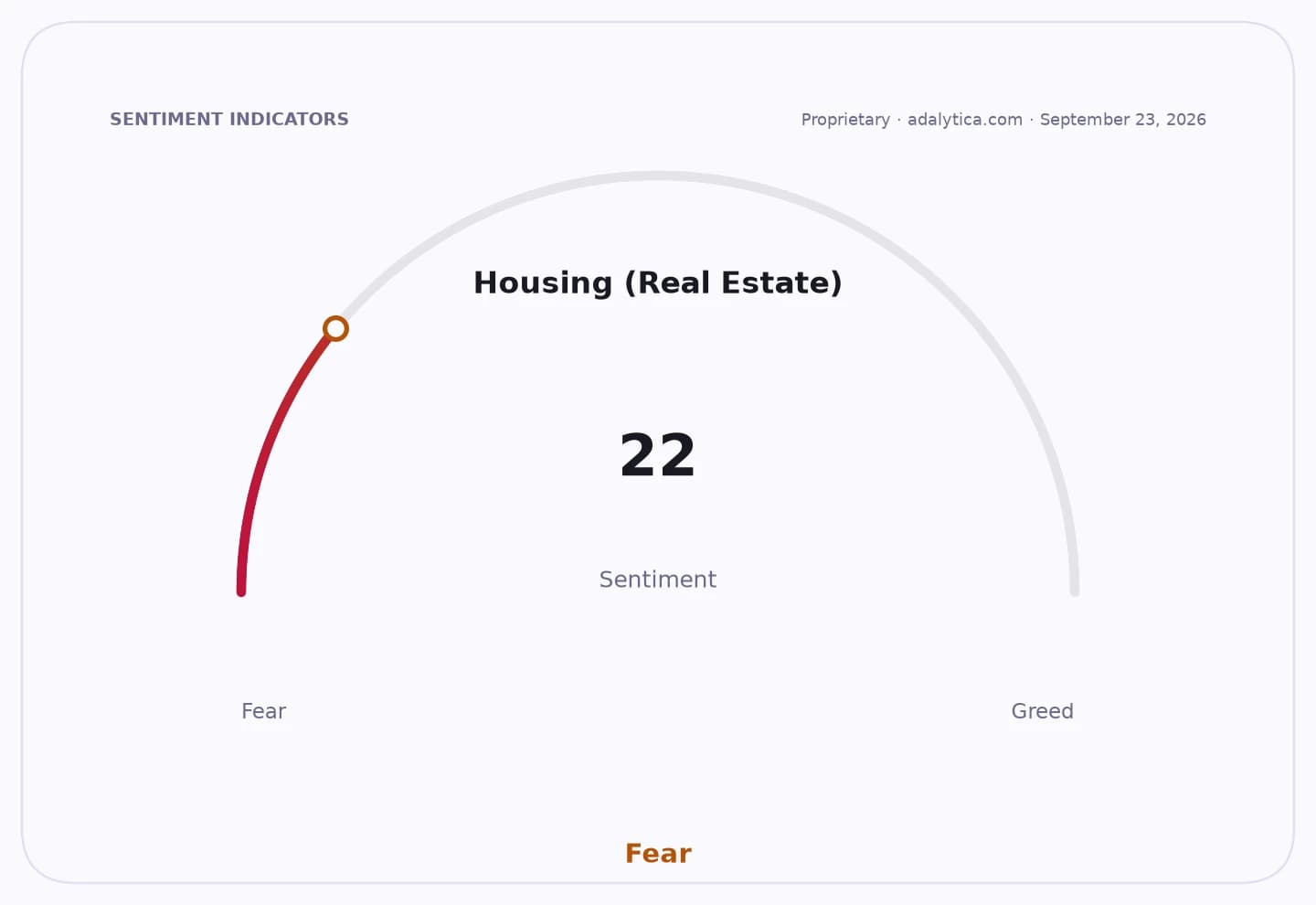
Sentiment IndicatorsⓘProprietary · adalytica.com · September 26, 2026
This is a snapshot — live sentiment, awareness and momentum for 130+ markets update continuously in the dashboard.Open AlphaPulse
The committee backed tax exemptions for public educational institutions and for land used for education and training, but lawmakers said a blanket exemption for companies and individuals supplying meals to schools and medical facilities lacks legal and practical justification. They argued that tax relief is not the right tool to enforce food safety or guarantee cheaper, better school lunches.
That stance narrows the reach of the draft law and reduces the risk of opening a broad new exemption that could hit the budget without clear public benefit. For investors and companies tied to education services, the message is that Vietnam still wants targeted incentives, not a general tax holiday for adjacent commercial activity.
Lawmakers also urged the government to define much more clearly which private schools would qualify as operating on a non-profit basis and to ring-fence exemptions to income directly tied to education. Commercial activities such as property rentals, financial investments and unrelated services would still face tax, according to the committee’s view.
The National Assembly also asked for a sharper assessment of the fiscal cost of exempting public and non-profit schools from corporate income tax and land tax, especially where land is used for multiple purposes. The draft law is due to be refined before being submitted to the legislature, with the government seeking application from the 2027 tax year.
For markets, the direct impact is limited, but the policy direction is clear: Vietnam is willing to subsidize priority social services through the tax code, while drawing firmer lines around who gets the benefit. That can aid education providers with state-aligned business models, but it also signals tighter scrutiny of any sector seeking tax relief.
| Entity | Gains | Losses |
|---|---|---|
| Public schools | ▲Lower tax burden | ▼Lower tax revenue for state |
| Non-profit private schools | ▲Potential tax relief | ▼Stricter qualification rules |
| Meal suppliers | ▲No immediate benefit | ▼Tax exemption hopes |
| State budget | ▲Targeted policy clarity | ▼Foregone tax receipts |