Vietnam is proposing a five-year personal income tax exemption on salaries and bonuses for “talents” and their associates working on strategic tasks, a policy shift aimed at making the country more competitive in the race for skilled workers and big-project execution.
Vietnam Proposes Tax Exemption for Strategic Talent
The draft resolution, set to go to the National Assembly for consideration, would waive income tax on wages and bonuses for eligible workers for five years from the time the income is generated. It also extends the benefit to associates working alongside them, while allowing strategic talent at companies carrying out state-backed or fully private strategic missions to qualify as well.
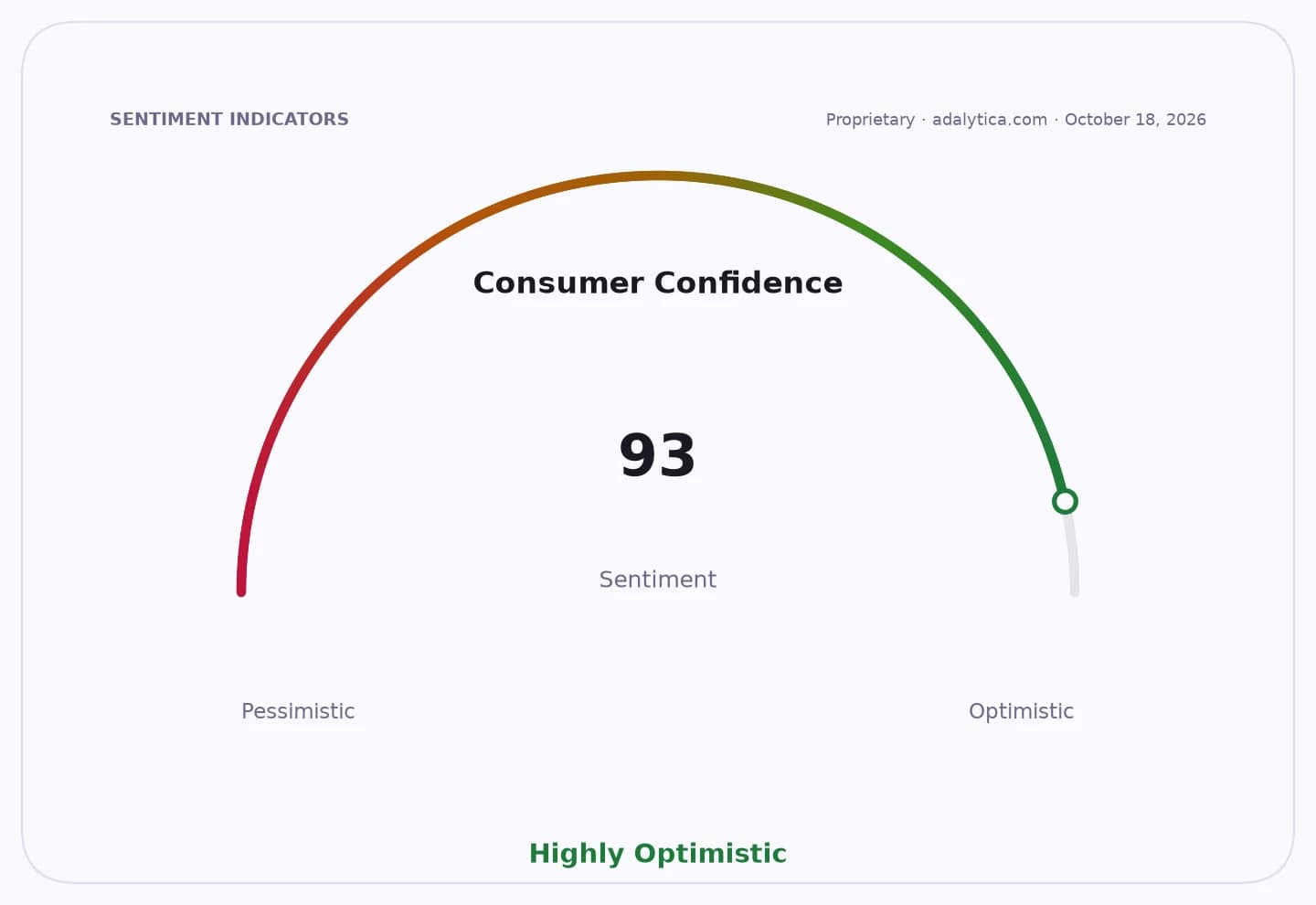
Sentiment IndicatorsⓘProprietary · adalytica.com · October 21, 2026
This is a snapshot — live sentiment, awareness and momentum for 130+ markets update continuously in the dashboard.Open AlphaPulse
The move matters economically because it shifts Vietnam’s talent policy from credential-based recruitment to output-based assignment. Officials are trying to attract domestic experts, overseas Vietnamese and foreigners to high-priority national, sectoral and local projects, with the government arguing that existing incentives are too narrow and tied to specific industries rather than strategic outcomes.
For businesses, the draft also offers a corporate tax incentive: employers can deduct an additional 50% of salary and bonus costs paid to strategic talent and their associates when calculating taxable income. That could lower the after-tax cost of hiring scarce specialists, especially in areas where Vietnam is competing with regional hubs for engineers, researchers and managers.
The proposal drops any requirement for academic titles, degrees, seniority or formal “talent” recognition, instead focusing on measurable capability, products and results. That makes the policy more flexible, but also raises the importance of verification mechanisms to confirm that tasks are strategic and that companies are not double-claiming incentives.
For investors, the draft points to a more pro-growth labor policy that could support productivity, project delivery and foreign investment in advanced manufacturing, technology and infrastructure. It may also help listed and private companies in Vietnam that rely on hard-to-hire technical staff by easing compensation pressure and broadening the talent pool.
The resolution has not yet been finalized and is expected to be submitted to the new National Assembly for review at its second session, leaving room for changes before any tax break becomes law.
| Entity | Gains | Losses |
|---|---|---|
| Strategic talent and associates | ▲Higher net pay | ▼Tax burden |
| Employers in strategic projects | ▲Lower hiring costs | ▼Higher compliance burden |
| Vietnam economy | ▲Better talent retention | ▼Risk of misuse if oversight is weak |
| Competing labor markets | ▲Less pressure on wages | ▼Loss of top candidates |