Japanese employers are expanding recruitment in Ho Chi Minh City, offering monthly base pay of as much as 250,000 yen as they compete for young engineers in one of Asia’s fastest-growing talent markets.
Japanese firms recruit engineers in Ho Chi Minh City
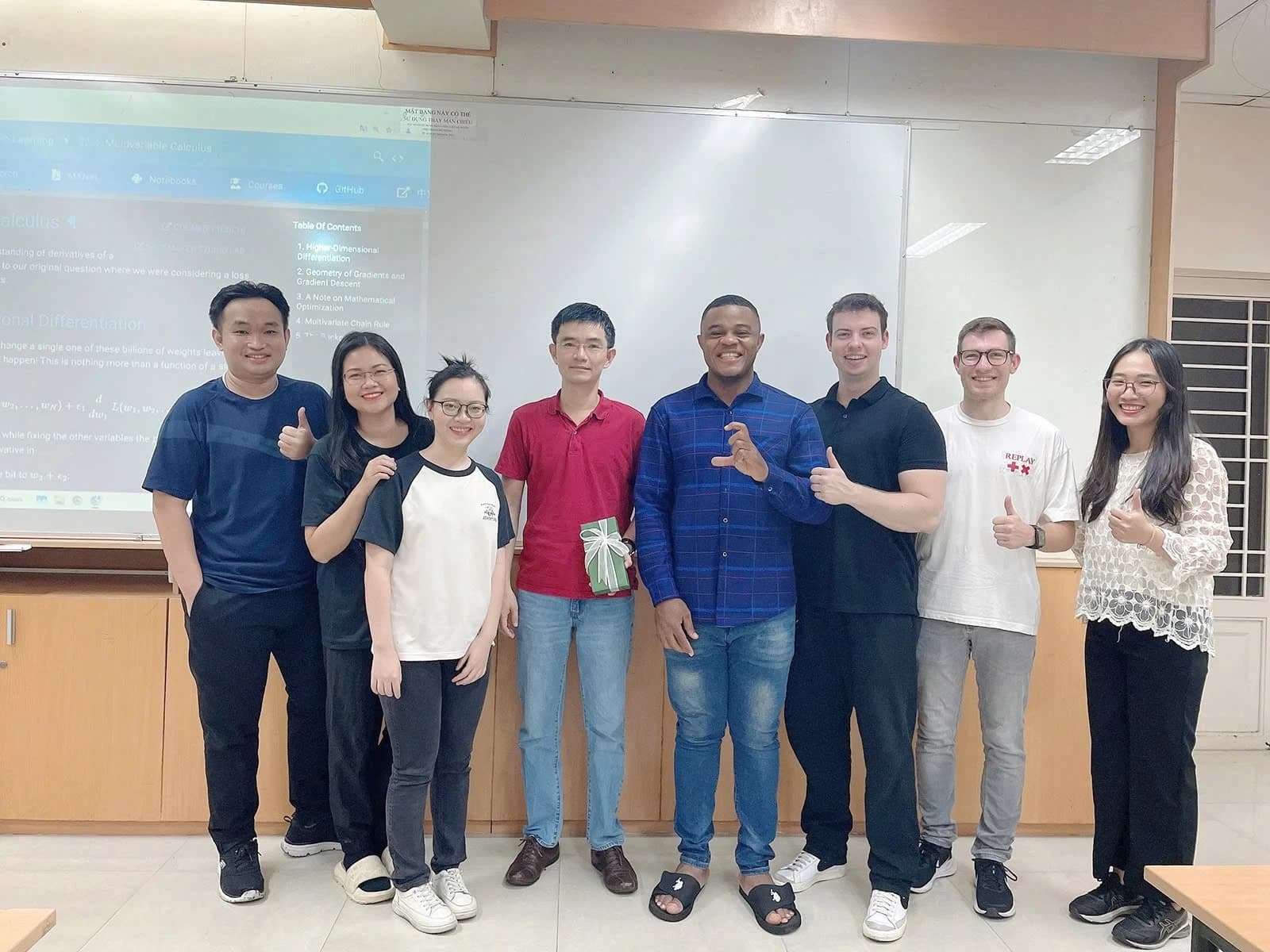
The hiring push underscores how Japanese manufacturers and technology companies are leaning on Vietnam to fill shortages in fields from mechanical design and automation to IT, electronics and geotechnical engineering. For investors, it is a sign that cross-border labor demand is becoming a material part of Japan’s operating model, especially as aging demographics tighten the domestic supply of engineers and push firms to build longer-term recruiting pipelines abroad.
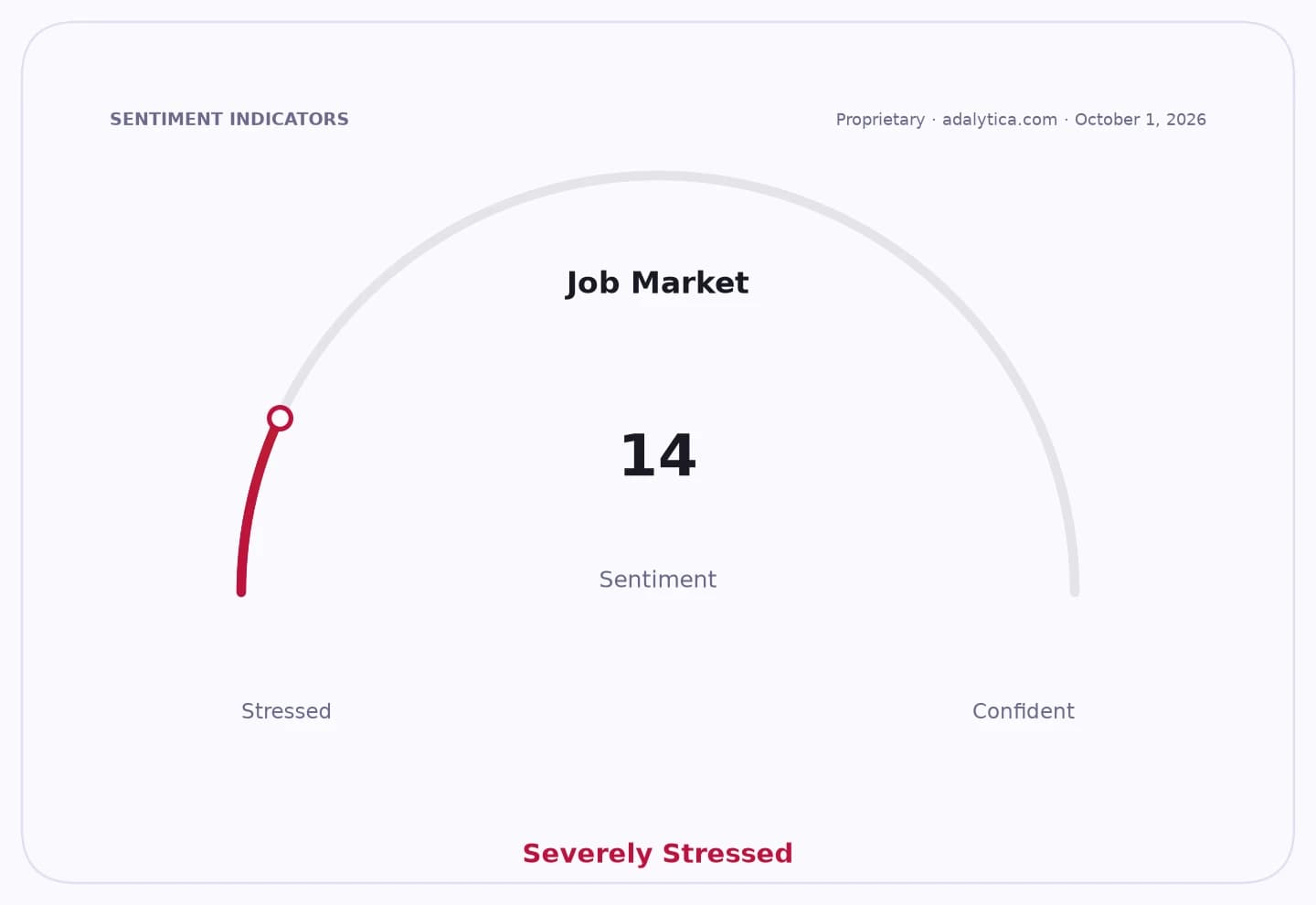
Sentiment IndicatorsⓘProprietary · adalytica.com · October 3, 2026
This is a snapshot — live sentiment, awareness and momentum for 130+ markets update continuously in the dashboard.Open AlphaPulse
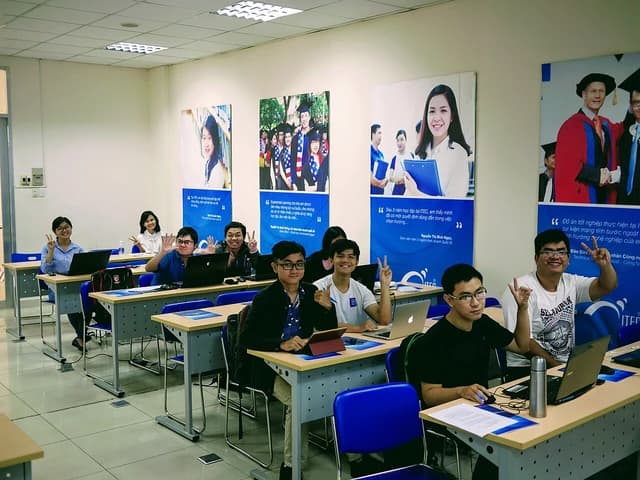
More than 160 companies with nearly 200 recruitment booths are taking part in this year’s Bách khoa Job Fair at Ho Chi Minh City University of Technology, offering 2,170 jobs across engineering, technology and business roles. Japanese firms account for 33 of those employers, including companies from Hyogo, Shizuoka and Wakayama prefectures.
Hyogo companies alone are seeking about 30 engineers, with openings for architectural and bridge engineers, programming and data-supervision specialists, mechanical and electrical designers, IT engineers, geologists and construction managers. Base pay on offer ranges from 200,000 yen to 250,000 yen a month, with some employers adding housing, transport, lunch, overtime, family allowances and social insurance benefits.
The recruitment drive is also a competitive play for companies trying to secure skills before rivals do. Vietnam’s engineering schools are increasingly a target because they provide graduates with technical training plus Japanese-language capability, reducing onboarding time and widening the pool for long-term overseas deployment.
Ho Chi Minh City University of Technology has been building that pipeline for years through Japan-oriented programs in computer science and mechanical engineering, including 1,200 hours of Japanese-language training and classes on Japanese culture. Some specialist subjects in the third and fourth years are taught directly by Japanese professors in Japanese, giving graduates a clearer route into Japanese employers and potentially reducing the need for firms to train workers from scratch.
For Japan’s corporate sector, the significance goes beyond one job fair. The willingness to recruit abroad at these pay levels reflects pressure on wages, margins and staffing continuity in industries that need precise technical labor. For Vietnamese graduates, it opens access to higher-paying jobs, overseas experience and a path into multinational careers.
The immediate focus is whether the event converts interest into hires, but the broader signal is clear: Japanese companies are no longer merely outsourcing production to Southeast Asia, they are increasingly sourcing skilled labor there as well. That could deepen Vietnam’s role in regional supply chains while making talent acquisition a bigger strategic issue for Japanese industry.
| Entity | Gains | Losses |
|---|---|---|
| Vietnamese engineering graduates | ▲Higher pay, overseas careers | ▼Tougher competition for top jobs |
| Japanese manufacturers and tech firms | ▲Access to scarce talent | ▼Higher recruitment and retention costs |
| Ho Chi Minh City University of Technology | ▲Stronger employer links | ▼Pressure to supply more Japan-ready engineers |
| Japan’s domestic labor market | ▲— | ▼More dependence on foreign hiring |