Ho Chi Minh City is preparing a much richer pay-and-work package to lure and keep scientists, engineers and project architects as it races to build expertise in AI, biotech, robotics and digital transformation.
Ho Chi Minh City plans higher pay for tech talent
The city’s plan matters because talent is now a binding constraint on its push to move up the value chain. Officials are no longer just trying to fill vacancies; they want specialists who can lead major research projects, transfer technology and build products with commercial use, especially in high-tech agriculture and other strategic sectors.
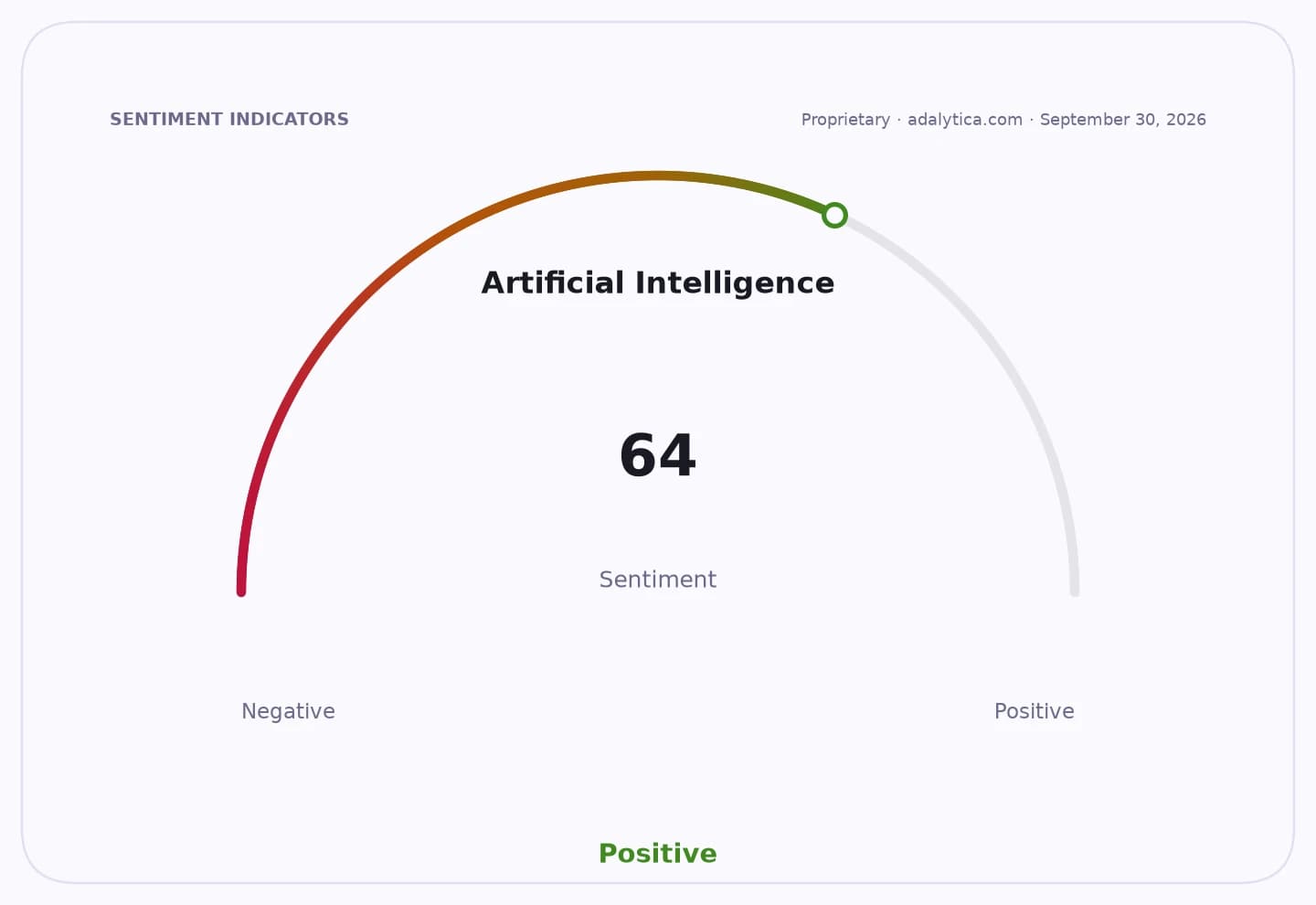
Sentiment IndicatorsⓘProprietary · adalytica.com · September 30, 2026
This is a snapshot — live sentiment, awareness and momentum for 130+ markets update continuously in the dashboard.Open AlphaPulse
Under the proposed framework, exceptional recruits could receive an upfront support package worth 15 to 100 times the regional minimum wage, or roughly 80 million to 530 million dong, while monthly pay could reach 20 to 50 times the minimum, equivalent to about 100 million to 265 million dong, depending on qualifications and reputation. That is a clear signal that the city is willing to compete with private employers and overseas institutions for scarce expertise.
The move also reflects how sharply the requirements have changed. The high-tech agricultural zone alone says it needs nine experts across fields including advanced farming, biotech, digitalization, databases and AI, after attracting just seven Vietnamese and foreign experts between 2015 and 2023. Across the city, municipal agencies plan to bring in 43 people in 2026, including 39 experts, three exceptional talents and one project architect.
For investors, the policy is relevant beyond public-sector hiring. Cities that can recruit and retain technical talent are better placed to attract foreign direct investment, support startup formation and deepen supply chains in semiconductors, software, biotech and smart agriculture. If Ho Chi Minh City can pair higher pay with real autonomy, access to data, labs and funding, it could improve the odds that more innovation work stays onshore instead of migrating to Singapore, China or the developed markets that already command larger talent pools.
The retention challenge is as important as the recruitment effort. Trinh Xuan Thang, who runs the research and development center at the city’s high-tech park, said rules for top international experts should be more flexible, allowing them to keep jobs abroad, work remotely and be judged on results rather than desk time. That is a shift away from traditional civil-service style oversight and toward performance-based management.
The next test is whether the city can turn generous incentives into a functioning talent pipeline. If the new framework is adopted and implemented smoothly, it could become a template for other Vietnamese localities trying to compete in the global race for AI and applied-science skills.
| Entity | Gains | Losses |
|---|---|---|
| Ho Chi Minh City | ▲stronger talent pipeline | ▼higher budget strain |
| Scientists and engineers | ▲richer pay and flexibility | ▼stricter performance standards |
| High-tech parks and research labs | ▲more expertise and projects | ▼slower hiring if rules stay rigid |
| Rival talent hubs | ▲little immediate gain | ▼risk of losing candidates |