Vietnam’s universities are stepping up hiring for lecturers and researchers, and the bigger story for investors and the economy is not the job ads themselves — it is the clear signal that higher education is becoming more competitive, more research-driven and more expensive to run.
Vietnam universities hire more lecturers and researchers
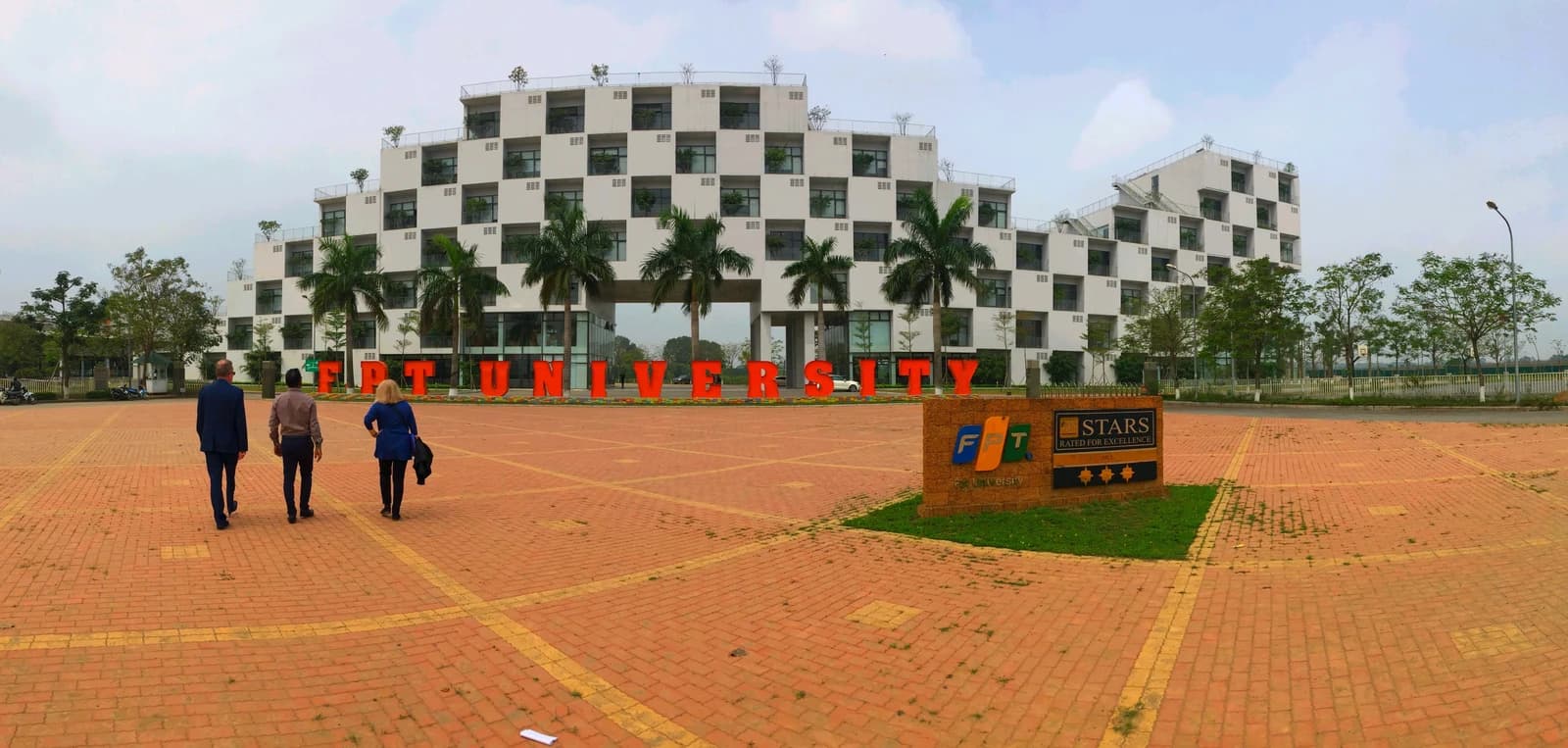
A wave of recruitment across major schools, including Hanoi University of Science and Technology, the University of Law in Ho Chi Minh City and Vietnam National University-Ho Chi Minh City’s International University, shows how sharply institutions are chasing doctoral-level talent. Some posts now come with monthly income starting at 50 million dong, a meaningful payout in a market where universities are trying to lure PhDs, associate professors and professors away from competing campuses, overseas positions and private-sector opportunities.
Sentiment IndicatorsⓘProprietary · adalytica.com · October 3, 2026
This is a snapshot — live sentiment, awareness and momentum for 130+ markets update continuously in the dashboard.Open AlphaPulse
That matters because universities are not just hiring to fill classrooms. They are trying to build stronger research output, improve teaching quality and support the autonomy model that gives schools more control over staffing and budgets. In practical terms, that means money is being redirected toward people who can publish, secure grants, teach in English and lead research groups — the kinds of capabilities that raise a university’s reputation and long-term value.
The hiring plans are broad. Ho Chi Minh City University of Law is recruiting 71 staff members in 2026, including 56 lecturer roles, with 42 of those aimed at PhDs. Vietnam National University-Ho Chi Minh City’s International University is seeking lecturers across 12 faculties and departments, from economics and business to biotech, electrical engineering and physics, and says top candidates with strong teaching and research credentials can earn at least 50 million dong a month. Hanoi University of Science and Technology is also running a large recruitment round for 56 positions, including researchers for its artificial intelligence and space-underwater technology institutes.
For investors, the immediate public-market read is limited, but the longer-term implications are important. Better-funded and better-staffed universities can improve student outcomes, expand international partnerships and strengthen the pipeline of engineers, scientists and managers that the economy needs. That supports productivity, which is the real driver of earnings growth over time for everything from manufacturers to tech firms and services companies.
The flip side is cost pressure. Higher pay, research bonuses and publication incentives all raise operating expenses for schools, especially as they compete in a market where the best talent is scarce. Private education providers with scale, brand strength and strong cash generation are better positioned to absorb those costs than weaker institutions that cannot match compensation or research support.
For long-term investors, the takeaway is straightforward: this hiring wave is another reminder that education is becoming a quality game. The schools that can recruit and retain the best lecturers and researchers should emerge with stronger brands, better research capacity and more durable demand from students and employers. That is the part worth watching over the next several years.
| Entity | Gains | Losses |
|---|---|---|
| Top universities | ▲Better faculty and research output | ▼Higher payroll costs |
| PhD lecturers/researchers | ▲Higher pay and stronger support | ▼More competition for roles |
| Students and employers | ▲Better training and graduate quality | ▼Slower gains at weaker schools |
| Private education operators | ▲Stronger brand advantage | ▼Institutions unable to match pay |