Phone-free farm schools are turning rustic labor into a premium admissions product, with families paying nearly $40,000 a semester for teenagers to muck out pigs, harvest crops and live without their phones in hopes the experience will improve their college prospects.
Farm schools command higher tuition from admissions anxiety
The rise of these schools speaks to a broader economic truth: in an admissions system defined by scarcity and status competition, education that looks unusual, disciplined and “authentic” can command a steep price. At Vermont’s Mountain School of Milton Academy, students spend a semester on a 418-acre campus, attend academic classes such as AP Calculus and put in roughly eight hours a week on chores and farm work. The school says tuition is nearly $40,000, including room, board, activities and field trips, while about 30% of students receive financial aid.
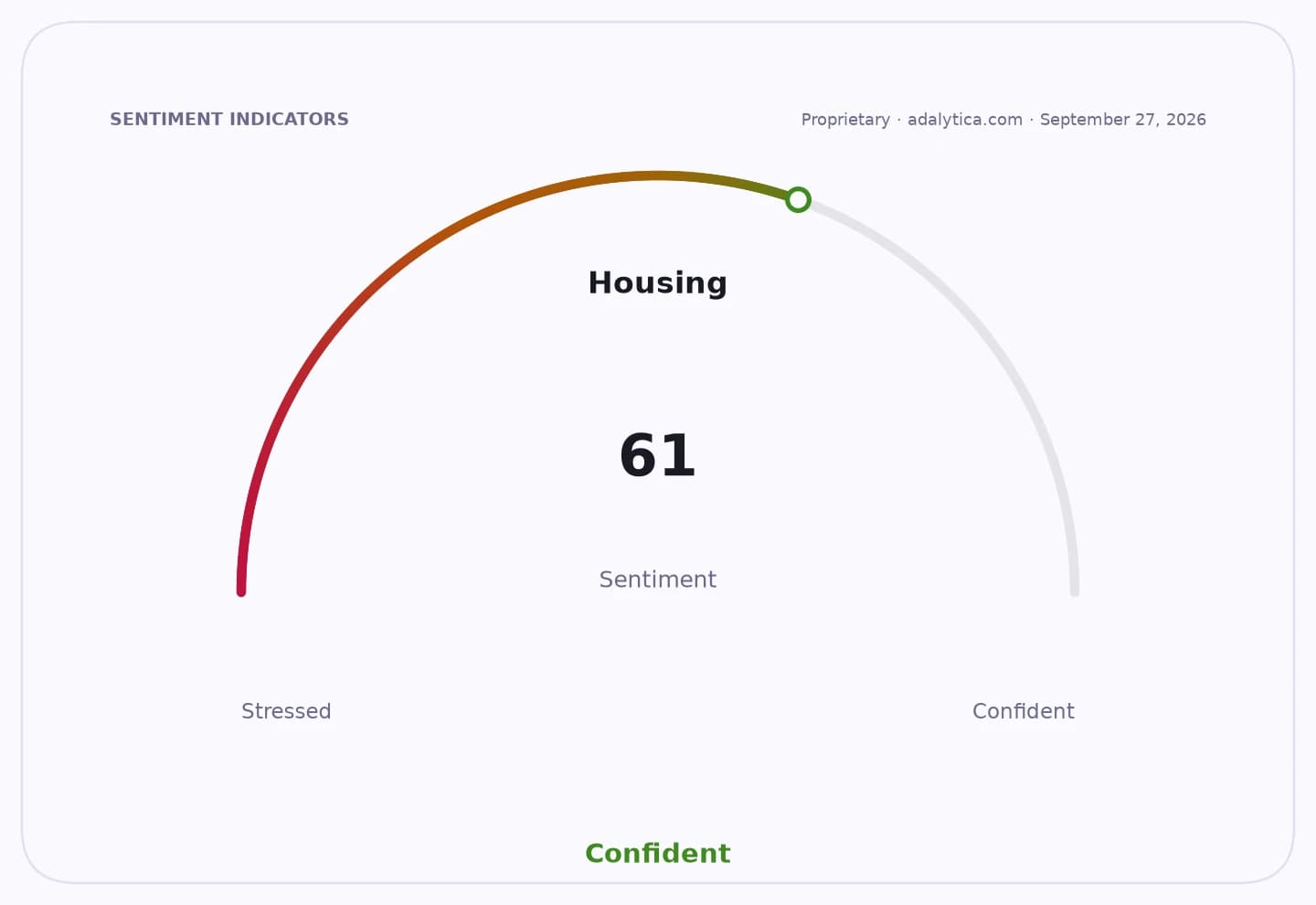
Sentiment IndicatorsⓘProprietary · adalytica.com · October 3, 2026
This is a snapshot — live sentiment, awareness and momentum for 130+ markets update continuously in the dashboard.Open AlphaPulse
That market exists because parents are buying more than schooling. They are buying differentiation. In an era when universities sift through applicants for evidence of initiative, resilience and real-world engagement, a semester of livestock care and wood chopping can be framed as a signal of maturity and independence. Olney Friends School in Ohio makes the same pitch around its 350-acre organic farm, arguing that hands-on work helps students develop responsibility, teamwork and problem-solving. Agriculture-focused summer programs are also multiplying, with mentors and research projects marketed as resume builders for applicants who want to stand out.
For investors and education providers, the story shows that demand in private education remains resilient not just around test prep and elite academics, but around experience-based branding. These schools are monetizing anxiety over college admissions and screen fatigue, selling an old-fashioned environment as a competitive advantage. That is a powerful pricing lever in a market where parents are often willing to pay for anything that sounds individualized and scarce.
But the business model also reveals a tension. Admissions consultant Adam Nguyen’s warning that “expensive randomness” may backfire is a reminder that prestige signaling is not the same as admissions value. If colleges decide that farm-school credentials are merely quirky rather than substantive, the premium could prove harder to sustain. For now, though, the schools are benefiting from a wider cultural shift: as teenagers spend more time on screens and families worry about burnout, the appeal of dirt, chores and enforced offline time is becoming a sellable luxury.
The larger implication is that the college-admissions economy is continuing to fragment into niche products that promise not just knowledge, but identity. As long as elite admissions remain scarce and opaque, schools that can package “authenticity” as a differentiator are likely to keep finding buyers.
| Entity | Gains | Losses |
|---|---|---|
| Farm schools | ▲Higher tuition demand | ▼Perception of being gimmicky |
| Parents | ▲Admissions differentiation | ▼$40,000-plus costs |
| Students | ▲Practical skills, offline time | ▼Phone restrictions, farm chores |
| Traditional admissions strategies | ▲Pressure to stand out | ▼Standardized resume-building tactics |