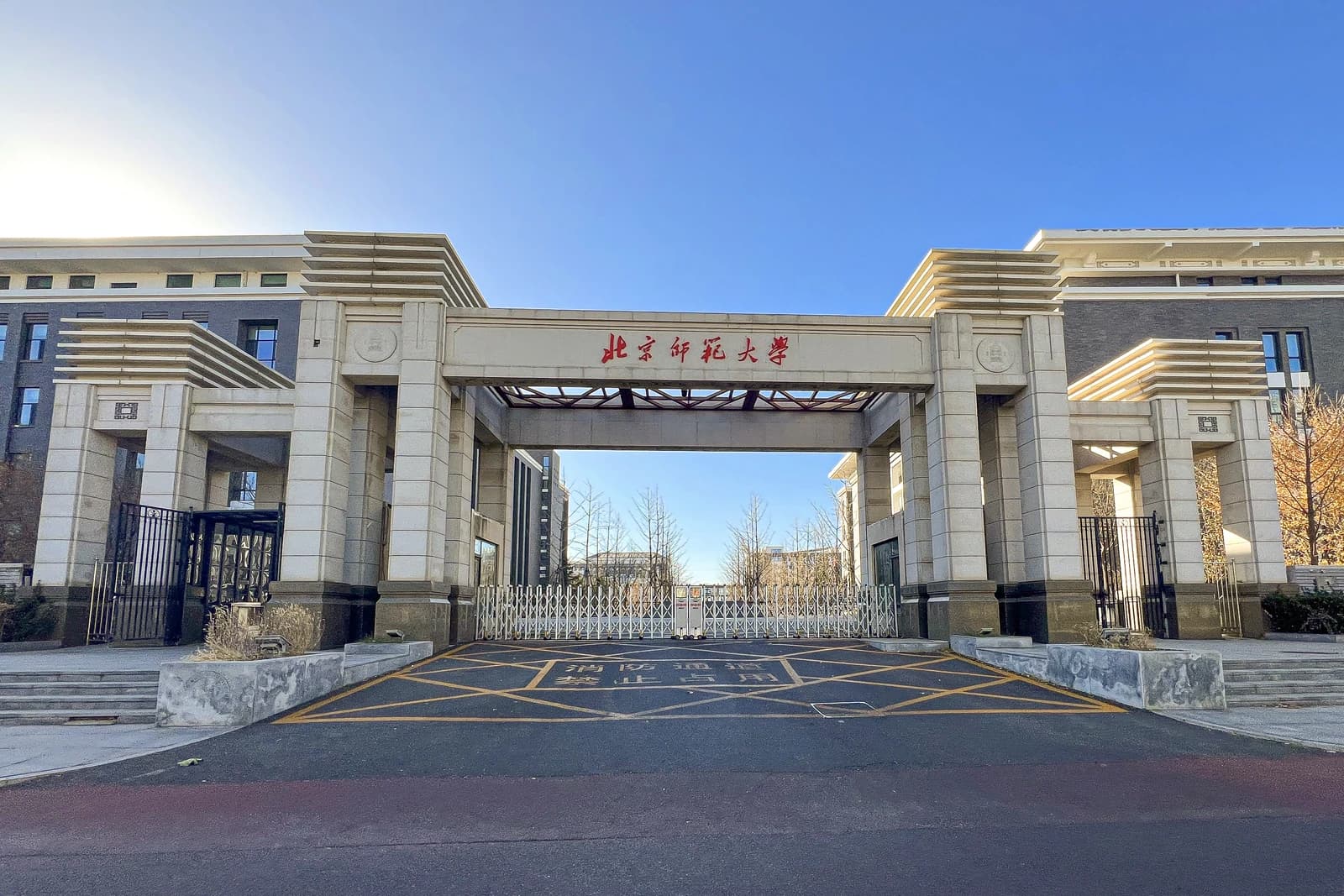
Geopolitics is starting to bite in a place investors rarely think about first: the classroom. In the Philippines, rising suspicion around Chinese-linked education has reportedly prompted roughly 150 Chinese volunteer and dispatched teachers to leave Chinese schools nationwide, a move that could crimp academic exchanges, language training and the broader flow of people-to-people ties between Manila and Beijing.
Philippines Chinese Teachers Leave Schools
That matters because education is not just cultural diplomacy. It is part of the plumbing of long-term economic growth. Language instruction, teacher training, research partnerships and university exchanges help build the skills, networks and trust that underpin trade, investment and regional integration. When those channels narrow, the cost is not measured only in ideology — it shows up later in weaker talent pipelines, fewer cross-border opportunities and a colder business environment.
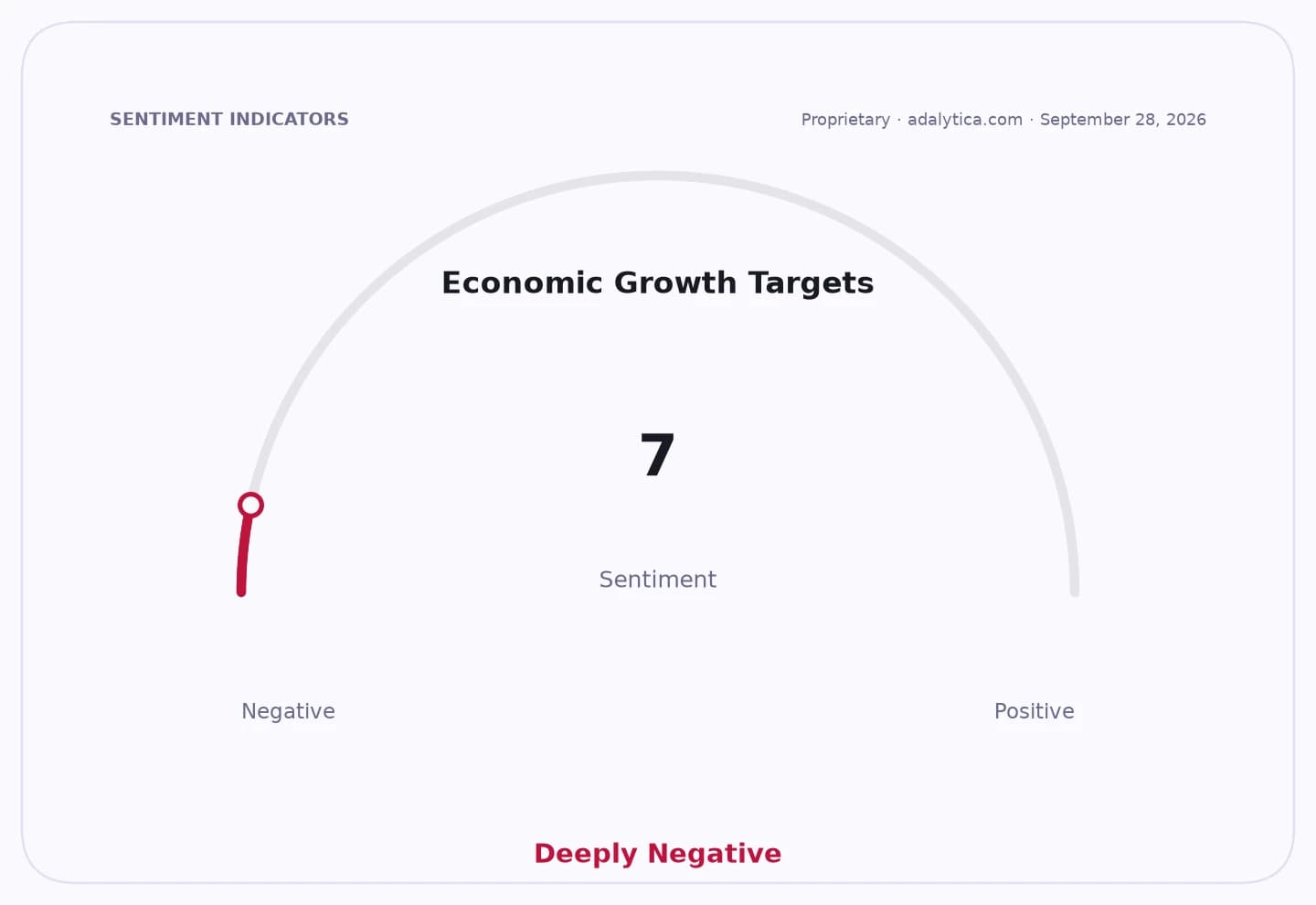
Sentiment IndicatorsⓘProprietary · adalytica.com · October 2, 2026
This is a snapshot — live sentiment, awareness and momentum for 130+ markets update continuously in the dashboard.Open AlphaPulse
The trigger was a sharpening political debate over China-related influence in the Philippines. Defense Secretary Gilberto “Gibo” Teodoro Jr. has recently warned that educational exchanges, scholarships and academic partnerships could give Beijing a foothold. Those comments followed allegations from SeaLight director Ray Powell that Chinese institutions tied to the Communist Party’s United Front have developed links with Chinese-language schools and Filipino-Chinese groups. The result is a story that has moved beyond rhetoric and into operational disruption.
Reports on Oct. 1 and Oct. 2 said schools including Immaculate Conception Academy and Jubilee Christian Academy were scrambling to replace Chinese teachers after receiving notices that instructors would be recalled. The broader reported withdrawal of volunteers came from inviting organizations, not from a formal expulsion by Manila. Even so, the message to the market for ideas — and to foreign institutions watching from the sidelines — is clear: the political cost of China-linked education in the Philippines is rising fast.
For investors, the direct financial impact is limited, but the second-order effects are more important. This is how geopolitics gradually hardens into policy risk: first in schools, then in universities, then in research links, then in corporate hiring and cross-border partnerships. Businesses that depend on bilingual talent, regional supply-chain knowledge or China-facing expertise can face a quieter but very real deterioration in the local operating climate. For Philippine institutions, the risk is a loss of access to one of the world’s largest academic systems and a narrower pool of Mandarin-trained teachers and scholars.
The episode also fits a broader global pattern. When governments start treating educational exchange as a security issue, they often end up reducing the very channels that make misunderstanding less likely. That can be economically self-defeating, especially for countries that need foreign investment, tourism, and diversified trade relationships. In Southeast Asia, where China remains both a major partner and a strategic rival, the balance between vigilance and openness is getting harder to strike.
There is still a long way between suspicion and hard evidence of wrongdoing, and that distinction matters. But markets and institutions do not wait for a courtroom standard before reacting to political signals. If Manila keeps leaning into a more securitized China policy, expect more caution from schools, scholarship programs and universities — and likely less willingness from Chinese educators and institutions to engage. For long-term investors, that is a reminder that geopolitical risk is not just about ships and sanctions. Sometimes it starts with a teacher leaving a classroom, and it can echo for years.
| Entity | Gains | Losses |
|---|---|---|
| Philippine security hawks | ▲tougher China scrutiny | ▼educational openness |
| Chinese volunteer teachers | ▲safety by exiting early | ▼jobs and access |
| Philippine schools | ▲chance to reset staffing | ▼Mandarin instruction continuity |
| Students and parents | ▲less political friction | ▼language training and exchanges |