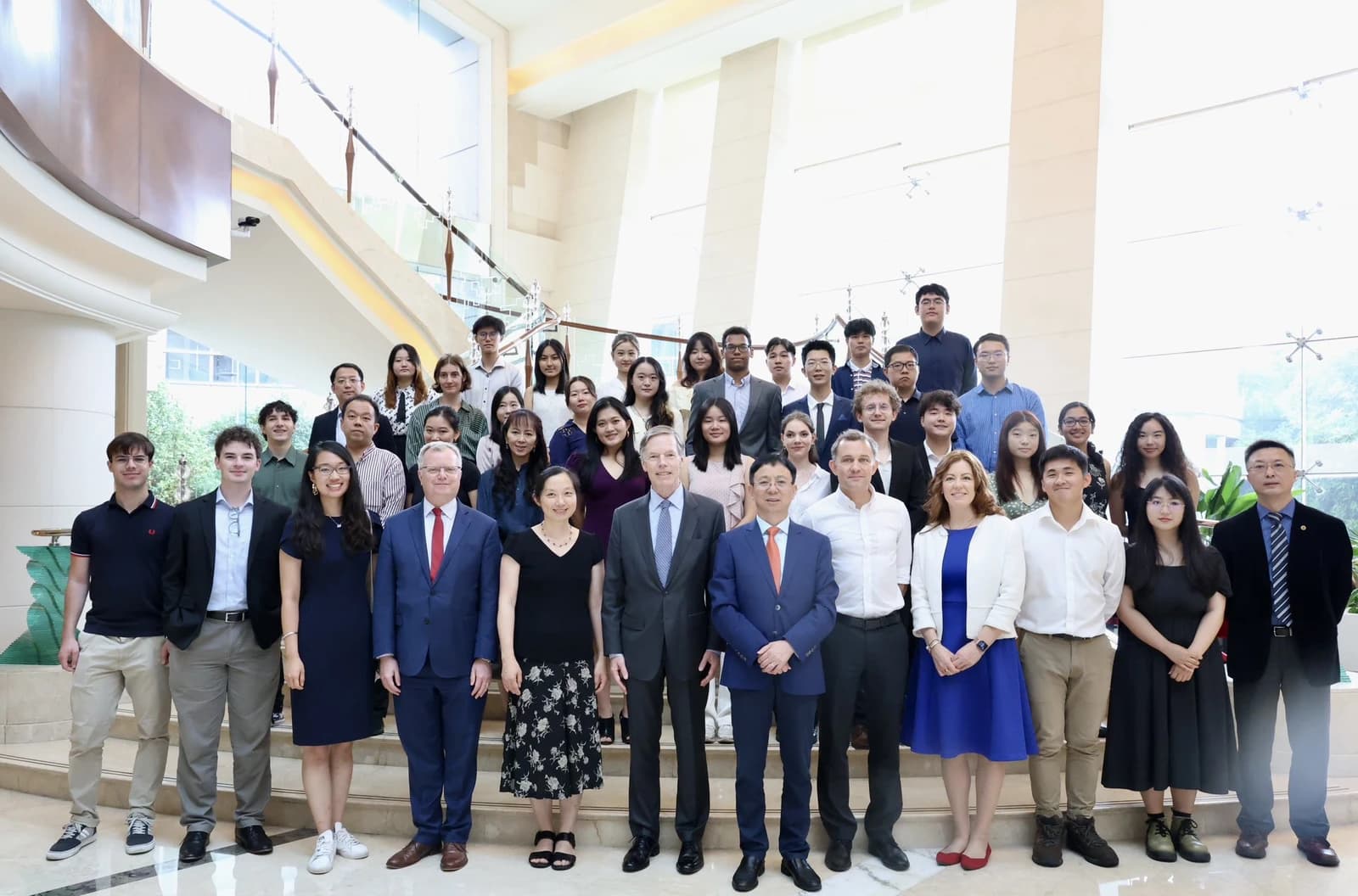
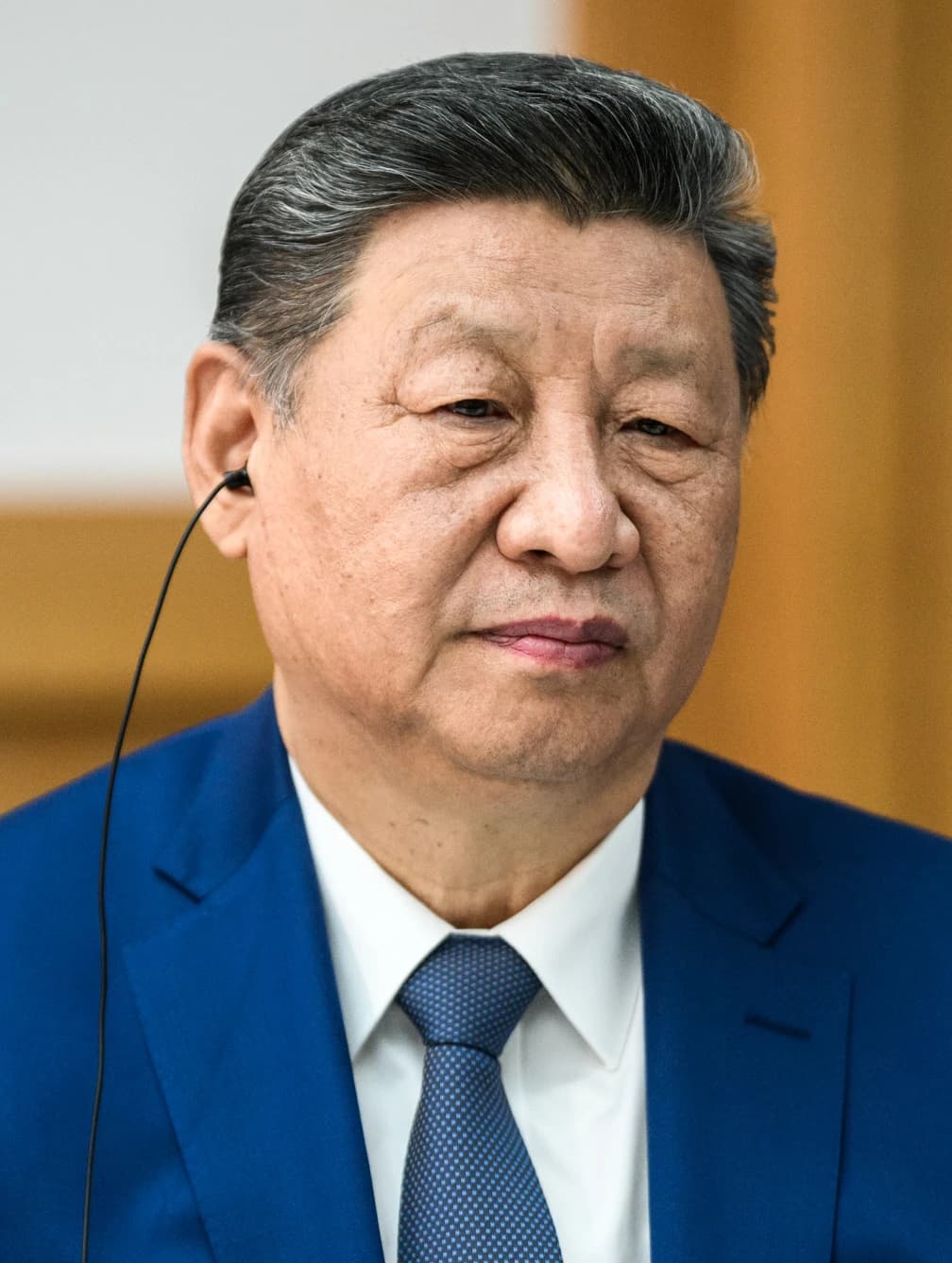
Xi Jinping’s pledge to invite 100,000 young Americans to study and exchange in China is a diplomatic opening that matters because it can soften one of the most durable points of friction between Washington and Beijing: people-to-people access. If the initiative translates into visas, campuses and funded programs, it would create a practical channel for engagement even as the two powers keep sparring over trade, AI and strategic competition.
China Student Exchange Pledge Lifts Education Stocks
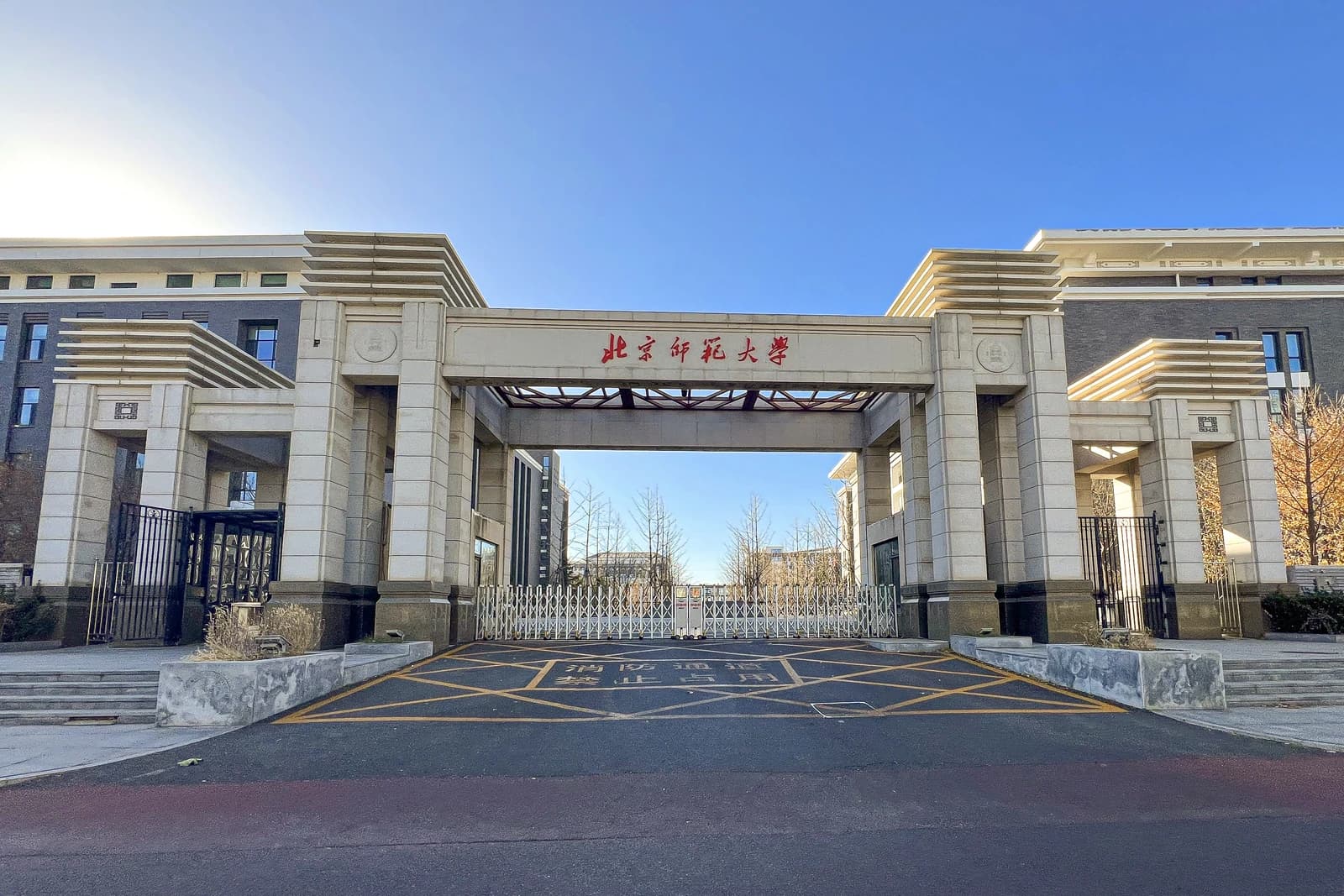
The timing is the key signal. Xi’s remarks came just hours after China’s commerce ministry said senior trade negotiators had held their first talks with the U.S. on artificial intelligence, underscoring a narrow but important reset in communication. The market should not mistake that for a broader thaw. It does, however, point to a China playbook that combines high-profile symbolic outreach with selective technical dialogue where both sides still have something to gain.
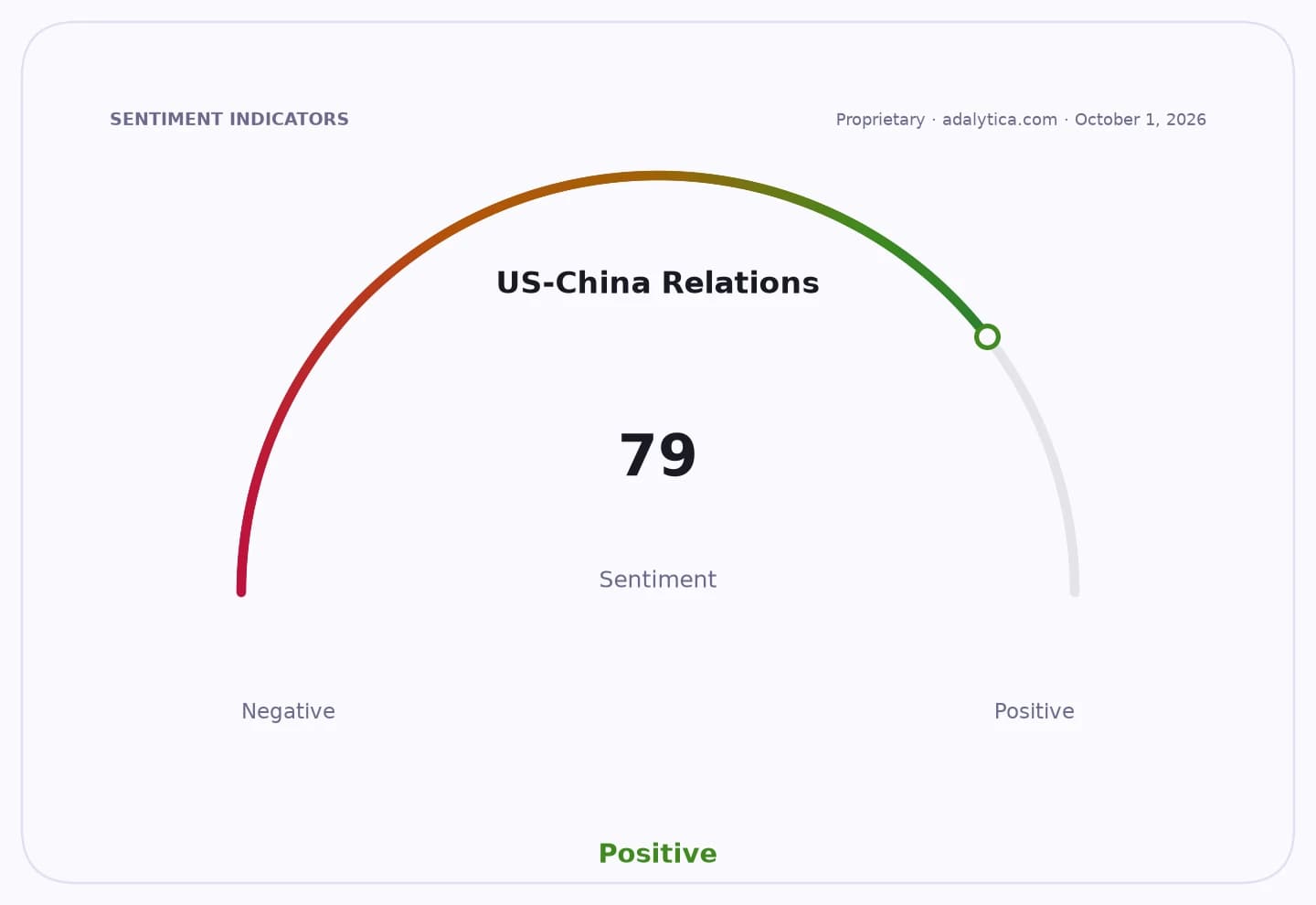
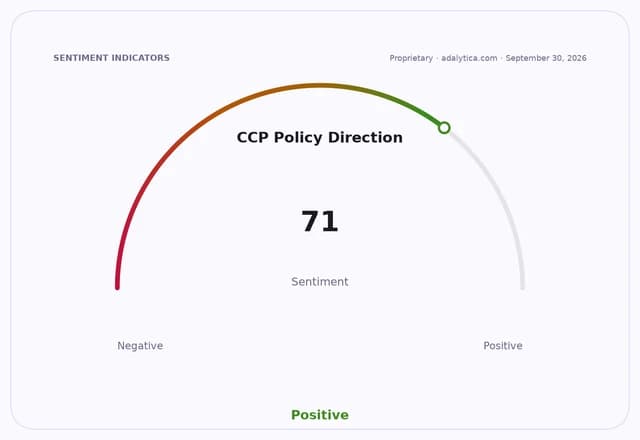
Sentiment IndicatorsⓘProprietary · adalytica.com · September 30, 2026
This is a snapshot — live sentiment, awareness and momentum for 130+ markets update continuously in the dashboard.Open AlphaPulse
For investors, the implications are clearest in education and cross-border services. New Oriental Education & Technology Group and other China-linked education names can benefit if the latest outreach expands student flows, language training and exchange-related spending. Lincoln Educational Services is a different case: its stock has been under heavy pressure, with the shares at $21.54 on Sept. 29, far below a 50-day average of $30.15 and a 200-day average of $36.13, a sign the market is pricing in more than just cyclical weakness. Any meaningful easing in China-U.S. educational restrictions would be a sentiment lift for the broader tuition, recruiting and international-student complex.
The economics are straightforward. Education is one of the few bilateral channels that can scale quickly without waiting for a sweeping political settlement. It creates fee income for institutions, demand for housing and travel, and a pipeline of future business ties. China also gains soft-power value by normalizing contact with a generation of Americans at a time when distrust between the two countries remains high. That is why this matters beyond diplomacy: it is a low-cost way to keep commerce, academia and talent flows from hardening into permanent decoupling.
The market backdrop reinforces the theme. Adalytica’s U.S.-China relations gauge shows sentiment still in extreme-greed territory, but awareness remains elevated, reflecting how closely traders are watching any sign of policy de-escalation. China policy direction also improved sharply in the latest snapshot, suggesting Beijing is leaning into selective outreach while preserving its broader strategic posture.
The risk, of course, is execution. A headline promise is not the same as a policy shift, and education exchanges can be slowed by visa rules, security screening and political backlash in Washington. But if Beijing follows through, the beneficiaries are likely to be the operators that can capture cross-border demand, not the stocks that depend on a full diplomatic reset.
The actionable takeaway: treat Xi’s student invitation as an early-stage catalyst, not a headline to fade. The asymmetric opportunity is in education and cross-border service names that can monetize even a partial reopening of U.S.-China people flows.
| Entity | Gains | Losses |
|---|---|---|
| New Oriental Education (EDU) | ▲exchange-driven demand | ▼prolonged decoupling |
| Lincoln Educational Services (LINC) | ▲policy thaw lift | ▼weak technicals, U.S. student softness |
| China universities / exchange programs | ▲soft-power reach | ▼diplomatic isolation |
| U.S.-China hawks | ▲less leverage from tension | ▼narrative easing and engagement |