Da Nang is trying to turn itself into Vietnam’s next technology hub by pulling in Silicon Valley money, know-how and talent for artificial intelligence and semiconductors — a bid that could help deepen the country’s role in the region’s supply-chain diversification.
Da Nang Courts Silicon Valley for AI and Chips
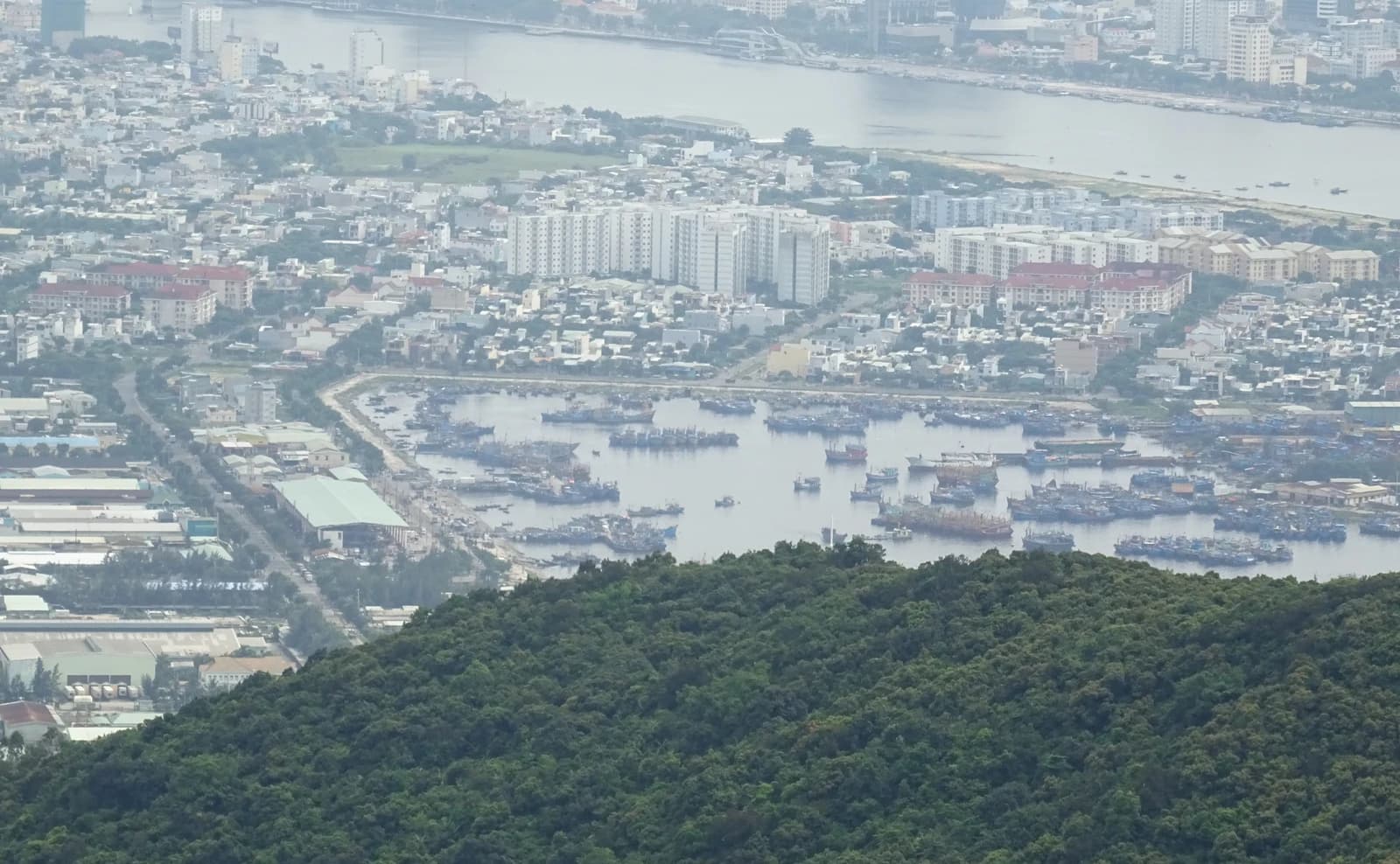
The city’s latest cooperation agreements matter because they are aimed at more than headline-grabbing investment. Da Nang is trying to build the basic conditions needed for AI and chip work: reliable power, data centres, advanced cooling, a trained workforce and faster approvals. For investors, that is the difference between a promotional pitch and a location that can actually host design, research and service operations.
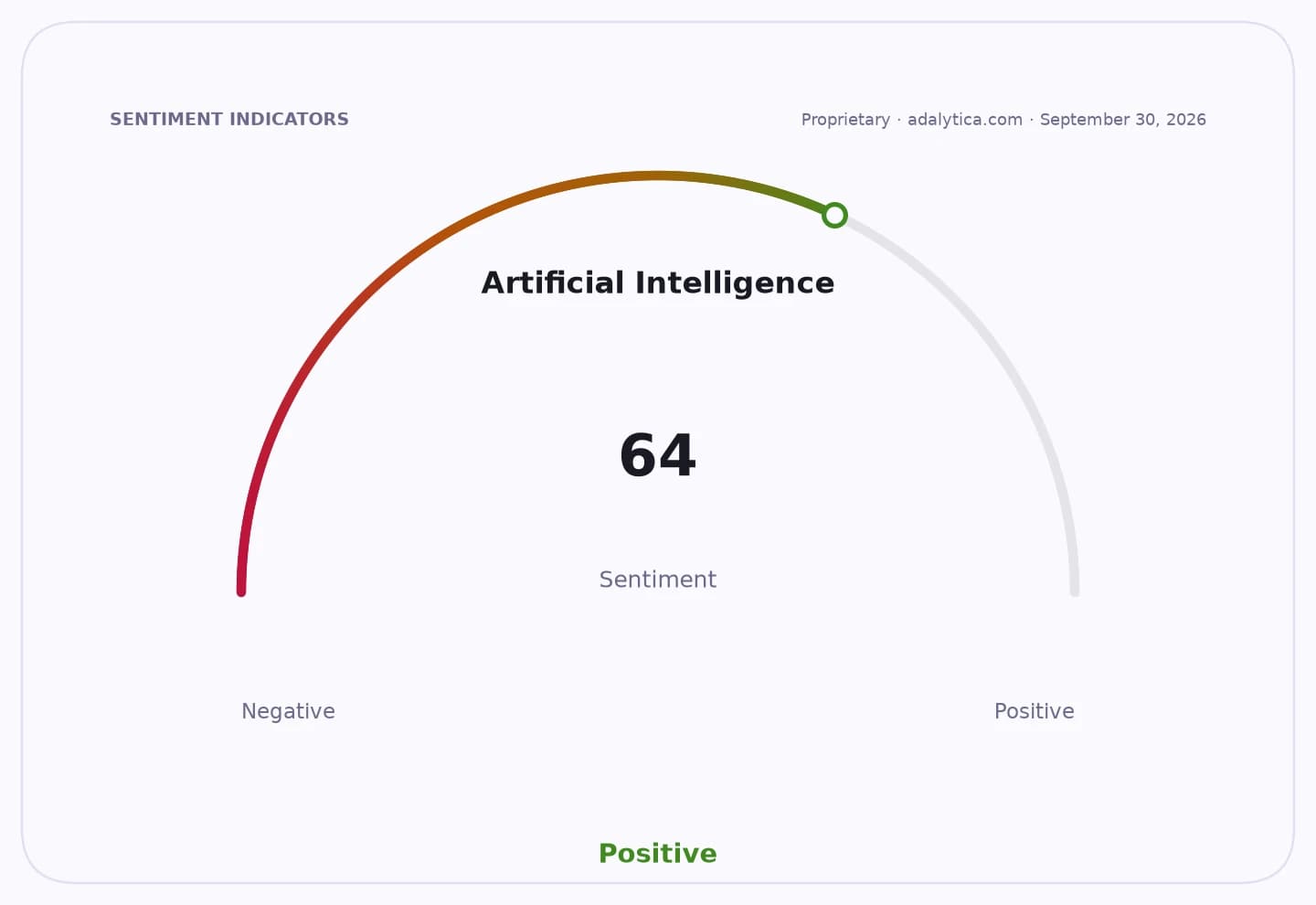
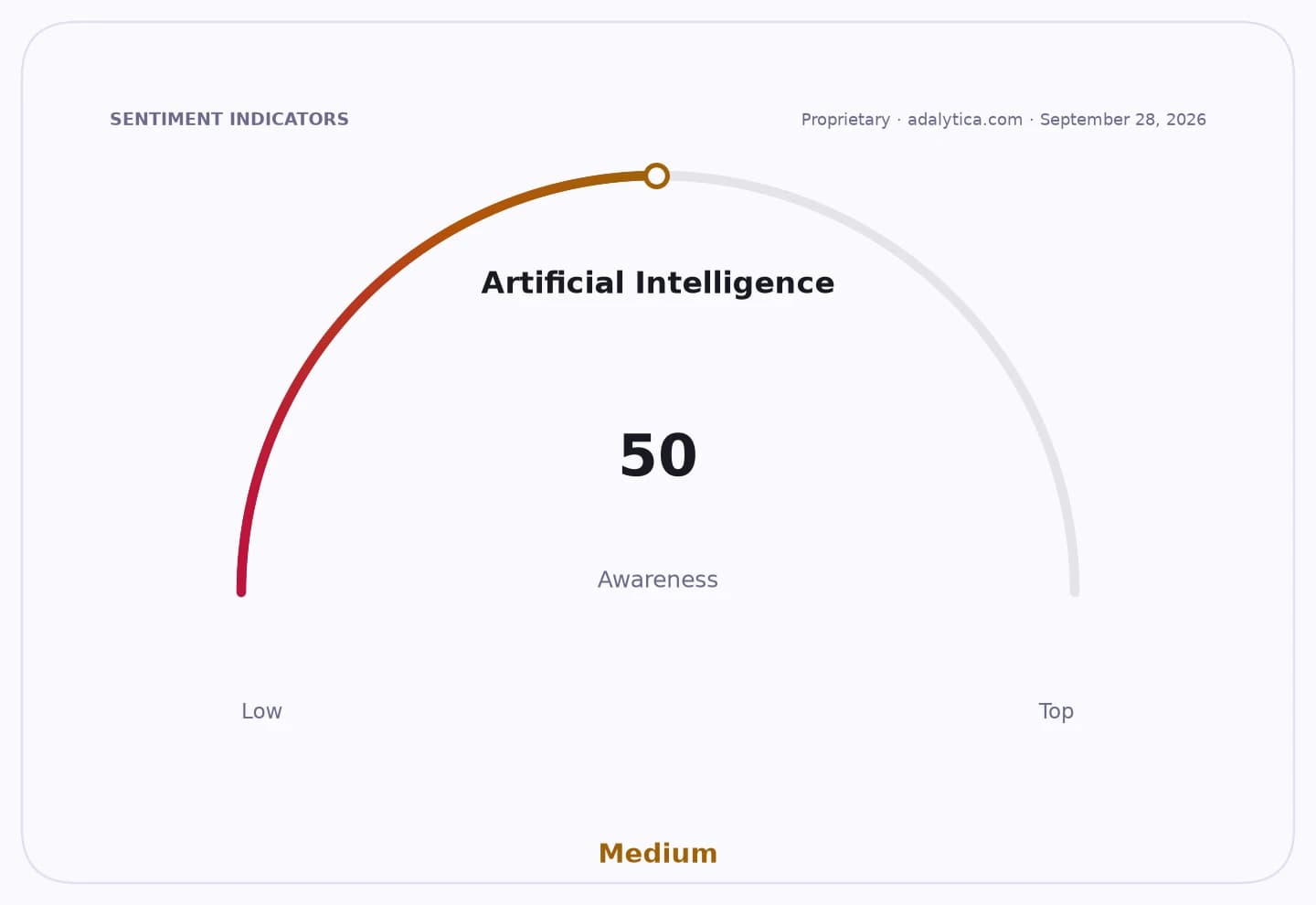
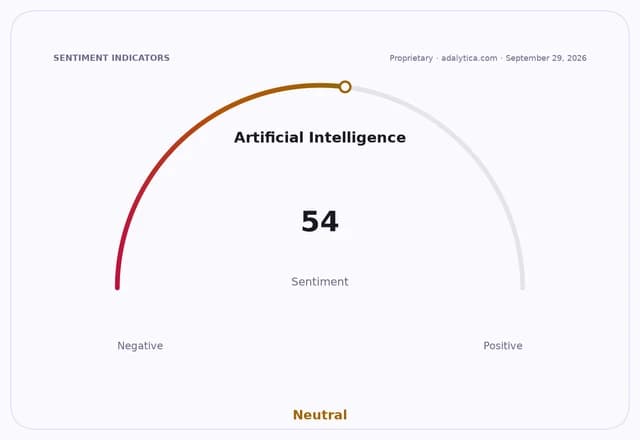
Sentiment IndicatorsⓘProprietary · adalytica.com · September 29, 2026
This is a snapshot — live sentiment, awareness and momentum for 130+ markets update continuously in the dashboard.Open AlphaPulse
A municipal delegation led by Nguyen Manh Hung, chairman of Da Nang’s People’s Committee, travelled to the United States for a Sept. 21 seminar titled “Da Nang - Silicon Valley Innovation & Expert Network,” where Vietnamese experts, entrepreneurs and international investors discussed technology trends, infrastructure and skills. The Da Nang Innovation Startup Support Center then signed memorandums of understanding with several Silicon Valley partners.
Among them, Cyfendo will support artificial intelligence, cybersecurity and AI-driven application security; Janus Capital will contribute technology investment and international business experience; and TBH Global and the Patrick Long Family Office will provide advisory services, financial backing and links to startup networks. Those partnerships are small in scale, but they give the city a foothold in a sector where early credibility often matters as much as capital.
The bigger economic logic is clear. Vietnam has become a beneficiary of companies spreading manufacturing and engineering exposure across Southeast Asia, and Da Nang wants a share of that shift. The city is presenting itself as an alternative to Hanoi and Ho Chi Minh City, arguing that it can offer a more focused platform for foreign chip designers and AI firms. If it succeeds, the payoff would not just be local jobs; it would mean higher-value foreign direct investment, more advanced service exports and a wider base for Vietnam’s technology ambitions.
But the obstacles are also obvious. Investors at the seminar said Da Nang still needs to secure electricity supply and build out data-centre capacity before it can compete for large AI workloads. They also called for simpler investment procedures, reflecting a common bottleneck in Southeast Asia: policy ambition often moves faster than permitting, utilities and specialist infrastructure.
The workforce challenge is just as important. Participants urged faster AI training, closer links between universities and industry, more practical laboratory work and internships, and curricula tied more tightly to semiconductor requirements. That points to the real test for Da Nang and Vietnam more broadly: whether the country can move beyond low-cost manufacturing into design, engineering and applied AI services that are harder to relocate and carry better margins.
For investors, the story is less about immediate returns from these agreements than about optionality. Da Nang is trying to position itself early in a market where global technology firms are still mapping out second-tier regional bases. If the city can solve power and infrastructure constraints, it could attract long-duration capital and a cluster of suppliers, startups and service providers. If it cannot, the agreements risk becoming symbolic rather than transformative.
The next catalyst will be whether the city can convert its Silicon Valley outreach into concrete commitments on utilities, land, data-centre readiness and education partnerships. That will determine whether Da Nang becomes a meaningful node in Vietnam’s AI and semiconductor strategy or remains one more contender chasing the region’s next wave of technology investment.
| Entity | Gains | Losses |
|---|---|---|
| Da Nang city | ▲Tech investment, higher-value jobs | ▼Slow reforms if execution lags |
| Silicon Valley partners | ▲Early access to Vietnam growth | ▼Time and capital in a nascent market |
| Vietnamese AI and chip sector | ▲Skills, networks, infrastructure push | ▼Risk of underinvestment if gaps persist |
| Competing Vietnamese hubs | ▲Pressure to upgrade faster | ▼Relative share of new tech FDI |