Vietnamese workers are heading to Australia’s plumbing trade because the country’s shortage of licensed tradies is turning a blue-collar job into a high-income, long-term career.
Australia plumbing shortage draws Vietnamese workers
That matters because plumbing sits at the intersection of housing, infrastructure and immigration policy. Australia needs people who can repair aging homes, meet strict building rules and keep essential services running, yet the domestic pipeline of skilled workers is not keeping pace. For migrants willing to spend years getting the right training and license, the payoff can be substantial: a licensed plumber can earn about 120,000 Australian dollars a year, or roughly 2.2 billion Vietnamese dong, with experienced workers often making 300 to 350 Australian dollars a day.
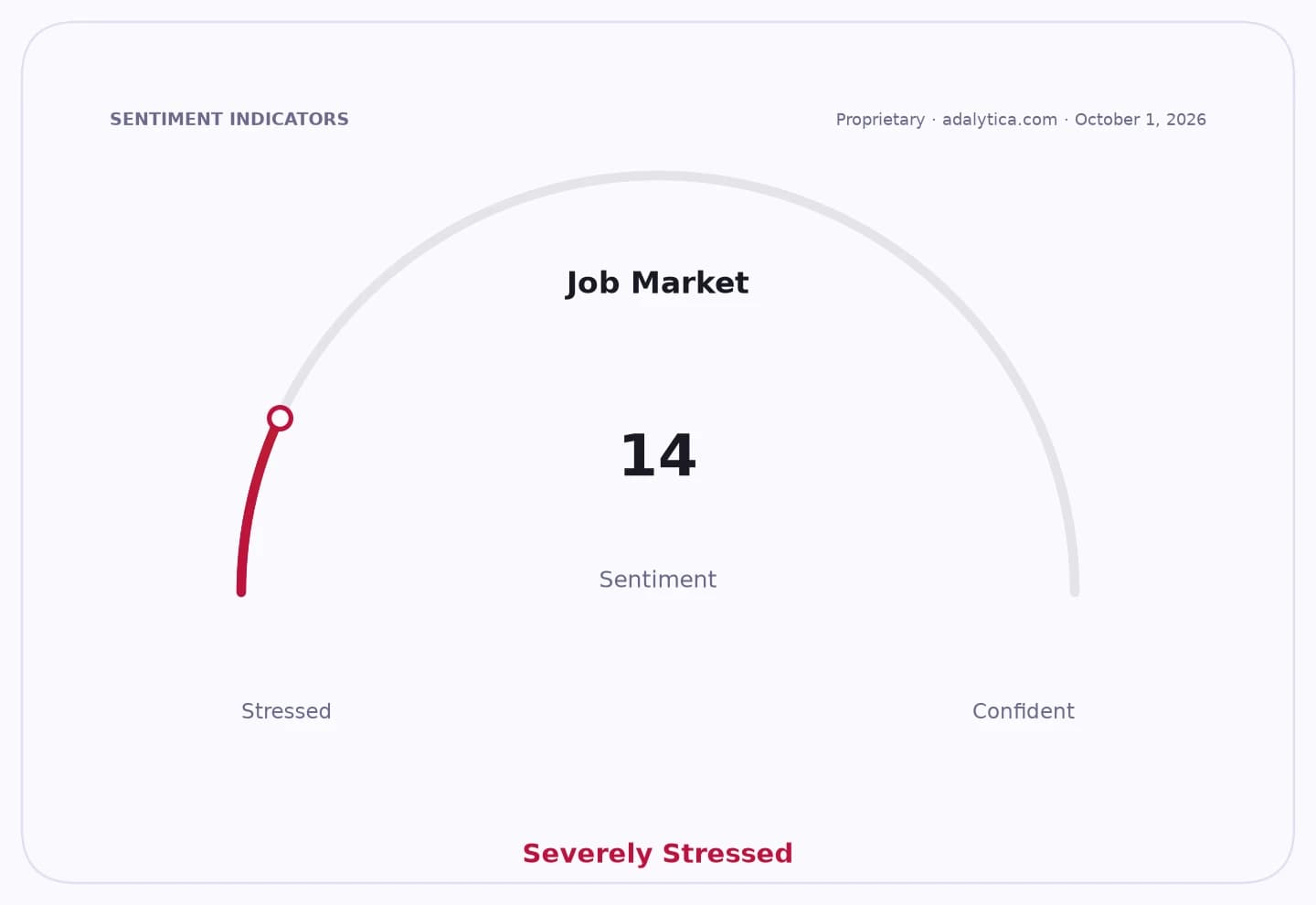
Sentiment IndicatorsⓘProprietary · adalytica.com · October 1, 2026
This is a snapshot — live sentiment, awareness and momentum for 130+ markets update continuously in the dashboard.Open AlphaPulse
The economics are straightforward. Australia’s Jobs and Skills Australia lists plumbing among 18 construction and technical occupations in shortage nationwide for 2021 to 2025, and the need is still expected to grow about 2% a year. That shortage gives licensed tradespeople pricing power in the labor market, especially in emergency work where homeowners need immediate help. It also helps explain why some Vietnamese workers are choosing plumbing over office jobs after studying in Australia, even if the path requires a four-year apprenticeship, ongoing supervision and then a separate licensing process by state.
For investors, the story is less about one worker’s earnings than about a durable labor constraint. A shortage of plumbers, electricians and other licensed tradespeople tends to support wages, raise the cost of home repairs and delay some construction and maintenance work. That can matter for housing affordability, renovation activity and margins across the broader construction supply chain. It also reinforces the appeal of businesses tied to skilled labor demand, from mechanical and electrical services to building suppliers and tools.
There is another layer here for long-term investors: migration policy is becoming an economic tool. Australia is trying to attract skilled workers from overseas because the local market cannot fill enough roles fast enough. That should help employers, households and public infrastructure over time, but it also means countries like Vietnam are exporting talent into higher-paying labor markets, where wages and opportunity are increasingly set by global scarcity rather than local conditions.
For Vietnamese workers, the opportunity is attractive but selective. The best pay goes to those who clear the language, training and licensing hurdles and build a reputation with customers. For everyone else, the upside is more limited. For Australia, the message is clear: until the training pipeline catches up, the plumbing trade will remain a seller’s market for skilled labor. Investors should keep watching industries that depend on that labor pool, because in years ahead the shortage itself may be the real engine of returns.
| Entity | Gains | Losses |
|---|---|---|
| Licensed plumbers in Australia | ▲Higher wages | ▼Few downside pressures |
| Vietnamese skilled migrants | ▲Better pay and career mobility | ▼Time and licensing hurdles |
| Australian homeowners | ▲Faster access to scarce trades | ▼Higher repair and maintenance costs |
| Construction and services firms | ▲Easier to fill hard-to-staff roles | ▼Margin pressure from labor scarcity |