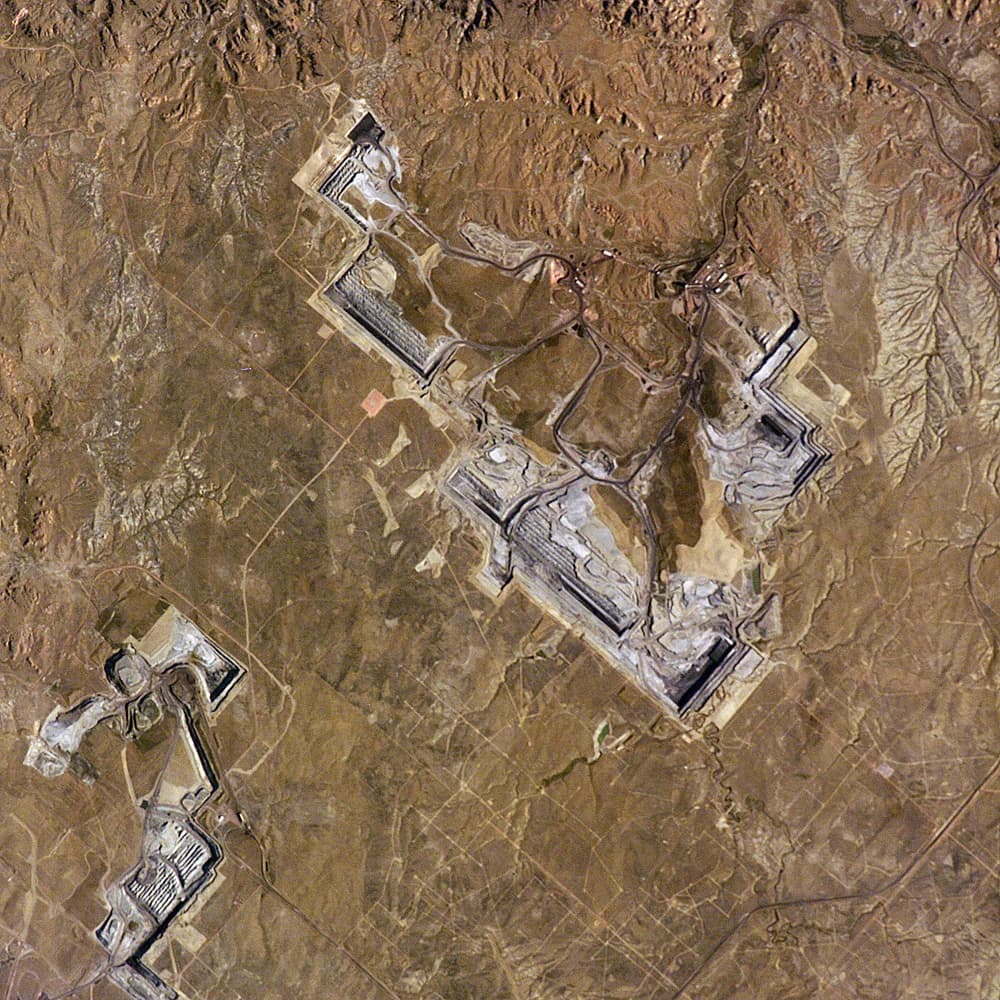
Vietnam’s state-owned coal group is pushing ahead with 18 mining projects and a wider automation drive as it tries to lock in fuel supplies for power plants, protect energy security and turn a legacy industry into a more efficient industrial platform.
Vinacomin Pushes 18 Coal Projects in Vietnam
Coal
That matters because coal still underpins Vietnam’s electricity system, and the country cannot afford supply bottlenecks while demand keeps rising. The plan from Vietnam National Coal and Mineral Industries Group, or Vinacomin, calls for domestic production of about 40 million tons a year, supplemented by 10 million to 20 million tons of imports, with the priority on keeping thermal plants fed so the grid keeps running smoothly.
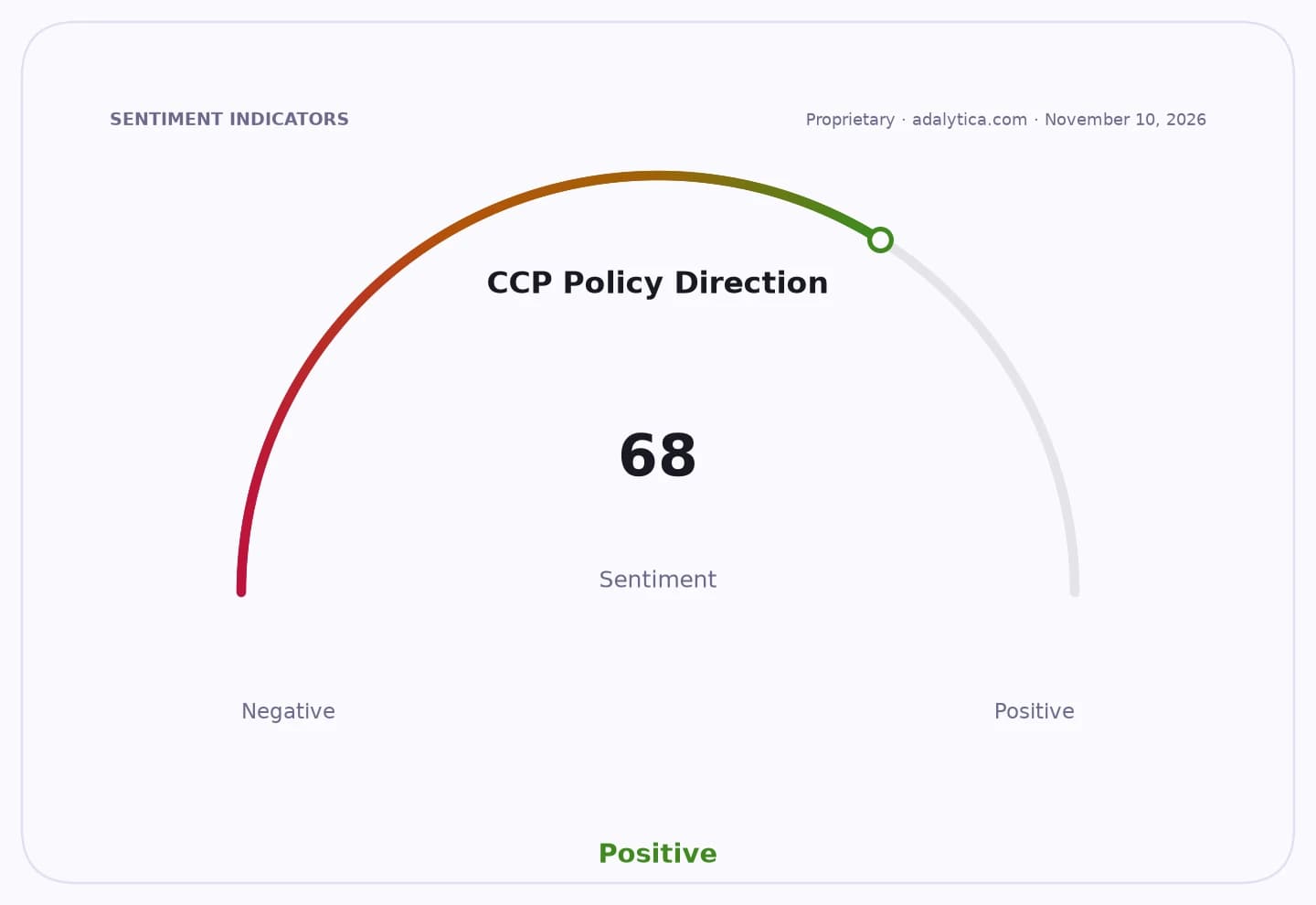
Sentiment Indicators
The clearest investment case is not that coal is becoming fashionable again. It is that the business is becoming more disciplined, more mechanized and more integrated. Vinacomin said 13 of the 18 projects are already under development, while five are in preparation. Among the biggest is the Khe Chàm II-IV underground mine, designed for 3.5 million tons a year and expected to finish basic construction in 2026, and the Cao Sơn expansion, targeting 4.5 million tons a year by 2027.
For investors, that mix of project execution and operating modernization is the real story. In a commodity business, volume, logistics and cost control matter more than rhetoric. Vinacomin is also adding six port, warehouse and stockyard projects and six conveyor projects, which should reduce reliance on road transport, lower logistics costs and improve delivery reliability. That can strengthen margins even if coal prices remain volatile.
The company is also leaning harder into mechanization and digital operations. Over 2026-2030, it plans broader use of smart mines and smart plants, along with ERP, MES, business intelligence tools, artificial intelligence and cloud infrastructure. At one mine unit, Than Thống Nhất, a new mechanized tunneling system began operating in September, while another operation has installed more than 100 cameras tied to a centralized control room. Those are the kinds of upgrades that can lift productivity, improve safety and reduce the labor intensity of a sector that has traditionally struggled with efficiency.
The broader backdrop is mixed for coal. Global coal prices have softened as India builds inventories and Indonesia adjusts export rules, while policy pressure against coal remains real. But Vietnam’s approach is more pragmatic than ideological: keep the fuel flowing, modernize the asset base and use technology to make the industry leaner. That is why the government is pressing Vinacomin to focus resources on core projects and better capital efficiency.
For long-term investors, the takeaway is straightforward. Coal is not a growth theme to chase for the next quarter, but in markets where energy security still matters, companies and countries that can reliably produce, process and move coal retain strategic value. The winners will be operators that can deliver supply with lower costs and better logistics. That makes Vinacomin’s project pipeline worth watching, even as the world gradually shifts toward cleaner energy over the next decade and beyond.
| Entity | Gains | Losses |
|---|---|---|
| Vinacomin | ▲Higher output and efficiency | ▼Execution risk |
| Vietnam power plants | ▲More reliable coal supply | ▼Dependence on coal imports |
| Logistics operators | ▲More conveyor and port investment | ▼Road transport volume |
| Global coal exporters | ▲Import opportunities | ▼Softer coal prices |