Dak Lak is moving to treat mineral supply as a real-time market problem, not just a licensing issue, after provincial authorities ordered checks on every mine to curb hoarding, fake scarcity and inflated construction-material prices.
Dak Lak orders mine checks to curb material price spikes
That matters because the province is trying to prevent a squeeze on a critical input just as Vietnam’s infrastructure pipeline needs reliable supplies of sand, soil and other building materials. When material markets are opaque, delays ripple quickly from quarry operators to contractors, then into public works schedules, budgets and margins.
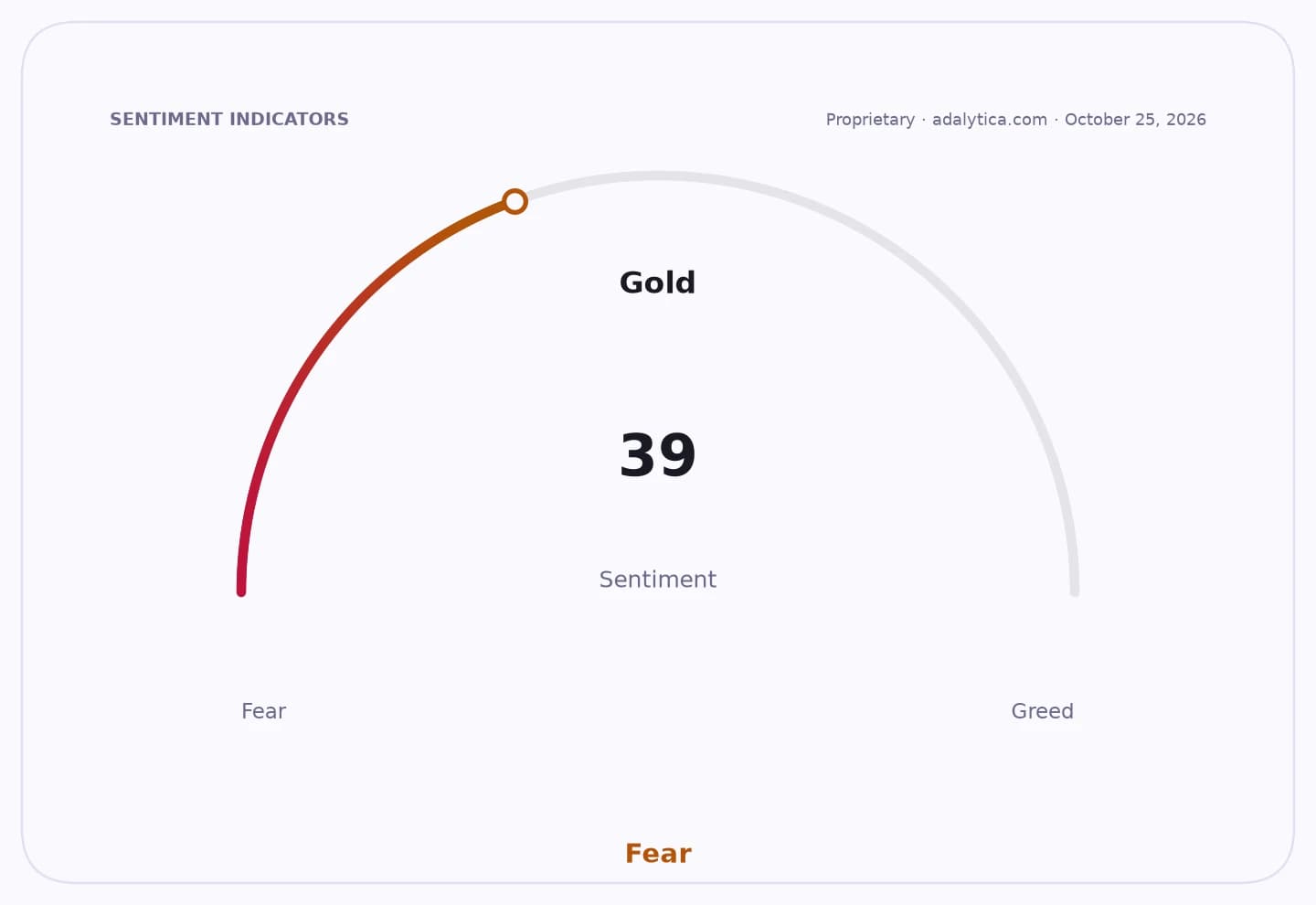
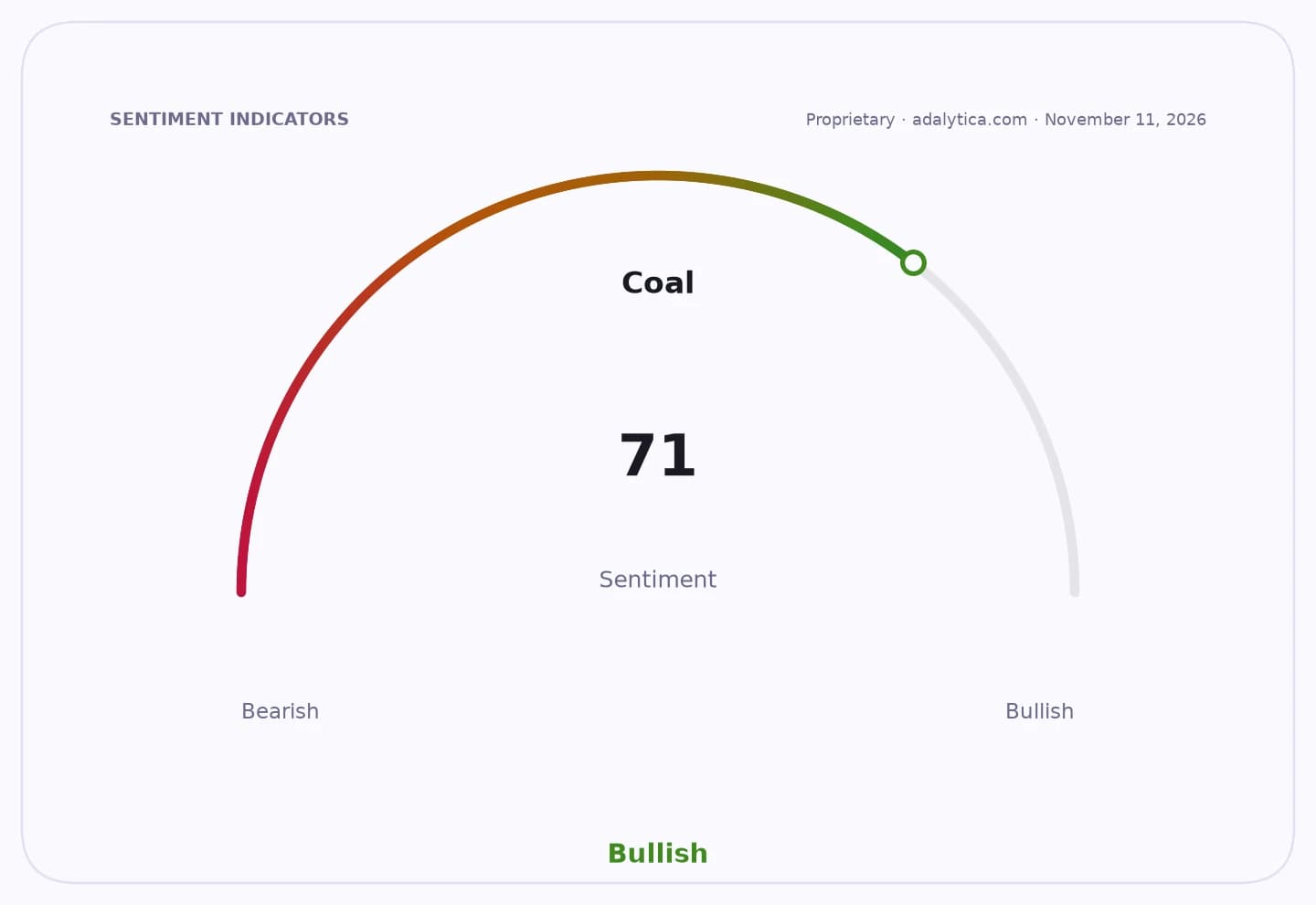
Sentiment Indicators
The new directive from the province’s People’s Committee pushes officials to track actual output, delivery timing and transaction prices at each licensed mine, rather than relying on permits or reserve estimates. Dak Lak said it has 104 active mineral extraction licenses, including 62 auctioned and permitted mines, but some sites have been slow to produce because of procedural bottlenecks.
The policy shift is important because it targets the part of the market that often allows speculative pricing to take hold: poor visibility. Provincial leaders want the Department of Industry and Trade to assess each mine’s operating status and capacity, build a database on output, purchases and transport, and identify mines that are not yet active and why. The construction department will also have to match supply with demand by project, especially for public investment needs in late 2026 and 2027, and issue monthly updates on supply-demand balances and prices.
For investors, the signal is straightforward: authorities are trying to reduce the premium embedded in local materials prices and force a more transparent pricing structure. That could ease input-cost pressure on builders and state-backed project owners, while squeezing traders or operators that benefit from scarcity and off-book transactions. The province also ordered tax, police and anti-smuggling units to inspect invoices, trading records and any sign of illegal mining or source laundering.
The broader story is about governance catching up with infrastructure demand. Dak Lak wants agencies to move from paper compliance to physical oversight, while requiring companies to publish supply plans by month and quarter, issue invoices properly and avoid hoarding, collusion or artificial shortages. Contractors and project owners were warned not to start work without secure material supply.
If the crackdown is enforced, the winners should be legitimate quarry operators, contractors with organized procurement and public projects that need stable pricing. The losers are hoarders, informal middlemen and any supplier relying on opaque sourcing. For investors watching Vietnam’s construction and materials cycle, the key takeaway is that the province is trying to turn a fragmented commodity market into a managed supply chain — and that usually benefits scale, compliance and visibility.
| Entity | Gains | Losses |
|---|---|---|
| Legitimate quarry operators | ▲Clearer rules, steadier demand | ▼Speculative rivals |
| Contractors and project owners | ▲More reliable input supply | ▼Higher near-term procurement risk |
| Dak Lak public investment projects | ▲Fewer material bottlenecks | ▼Delays from illegal supply chains |
| Hoarders and informal traders | ▲None | ▼Margin squeeze, enforcement risk |