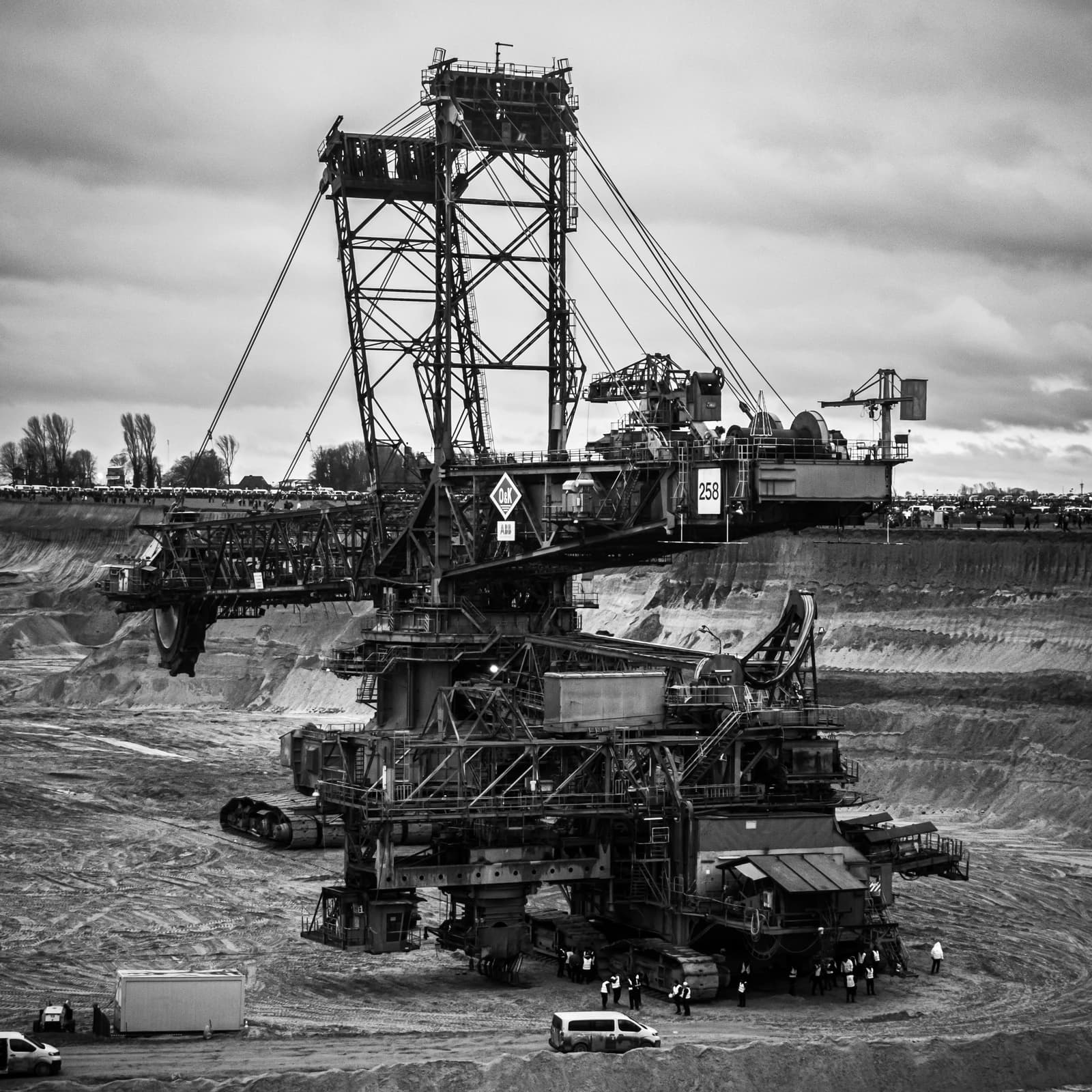
Coal remains an economic anchor in southern Santa Catarina even as the industry faces environmental liabilities, volatile markets and a long transition away from the fuel.
Santa Catarina Coal Basin Gets 2040 Power Contract
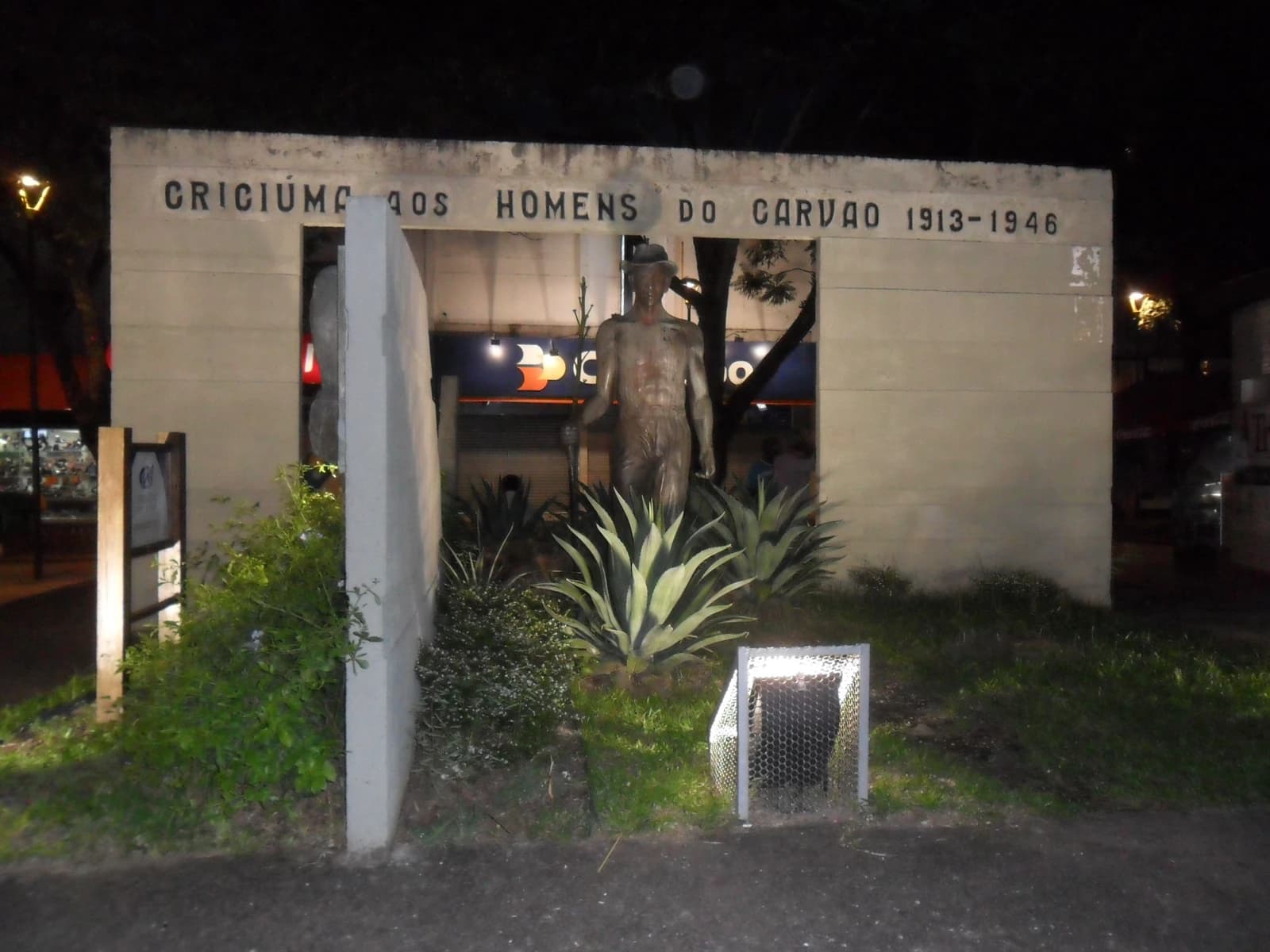
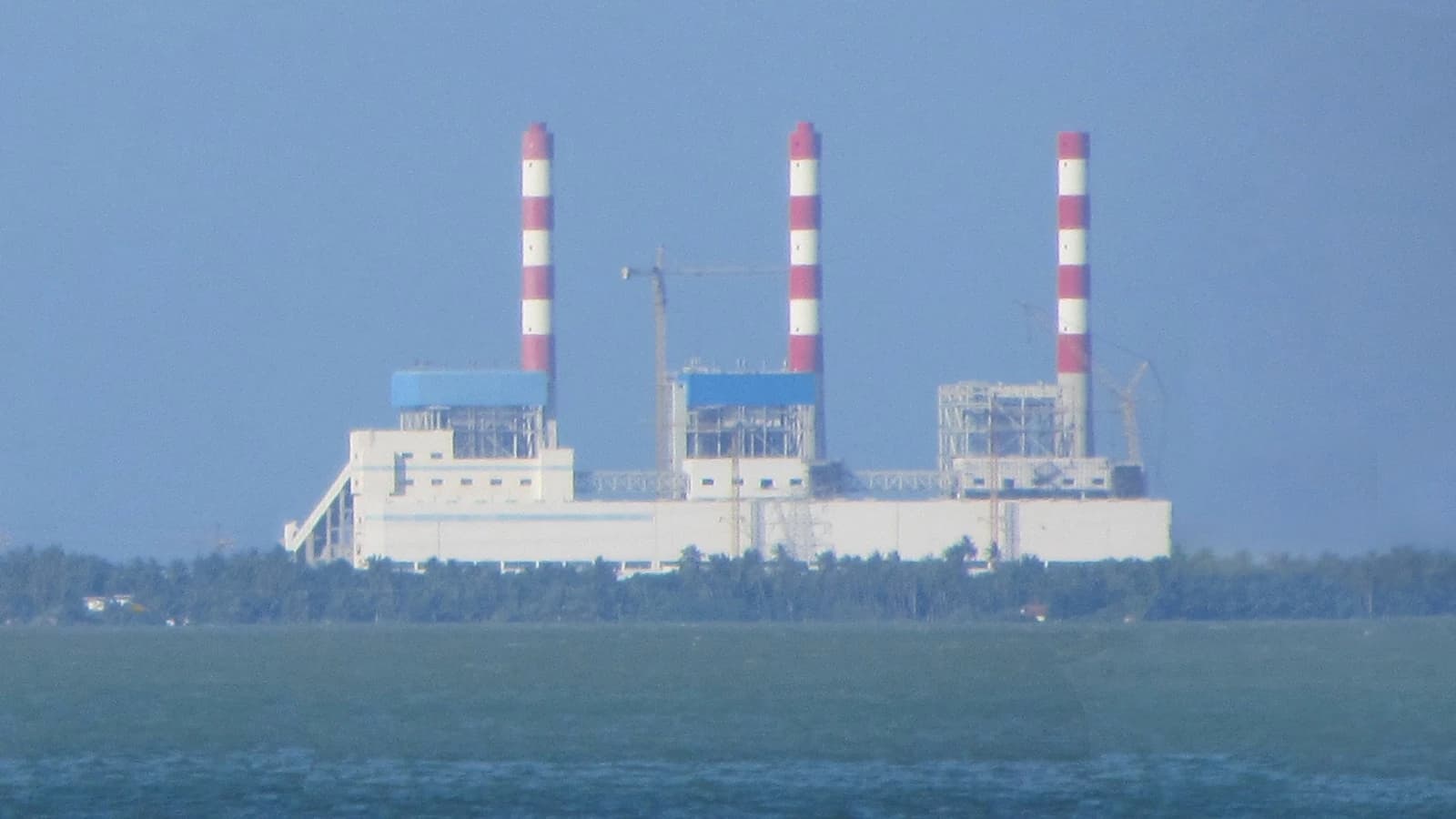
The region’s carbon basin still supports more than 21,000 jobs and about 100,000 people directly or indirectly, according to sector figures cited in the report, while the Complexo Termelétrico Jorge Lacerda in Capivari de Baixo can supply up to 21% of Santa Catarina’s electricity demand. That makes the coal chain far more than a legacy industry: it is a piece of the state’s power system, municipal finances, logistics network and industrial base.
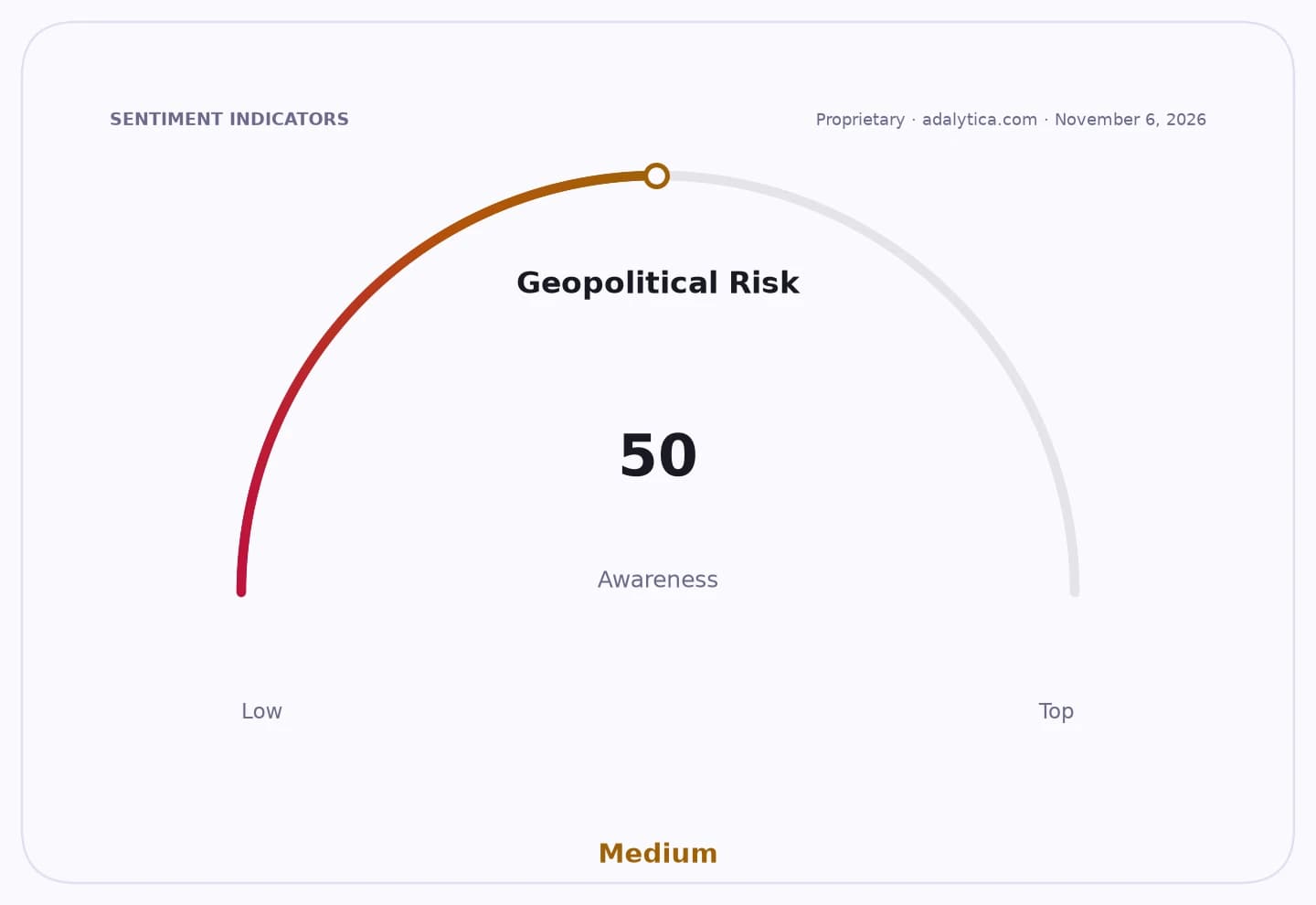
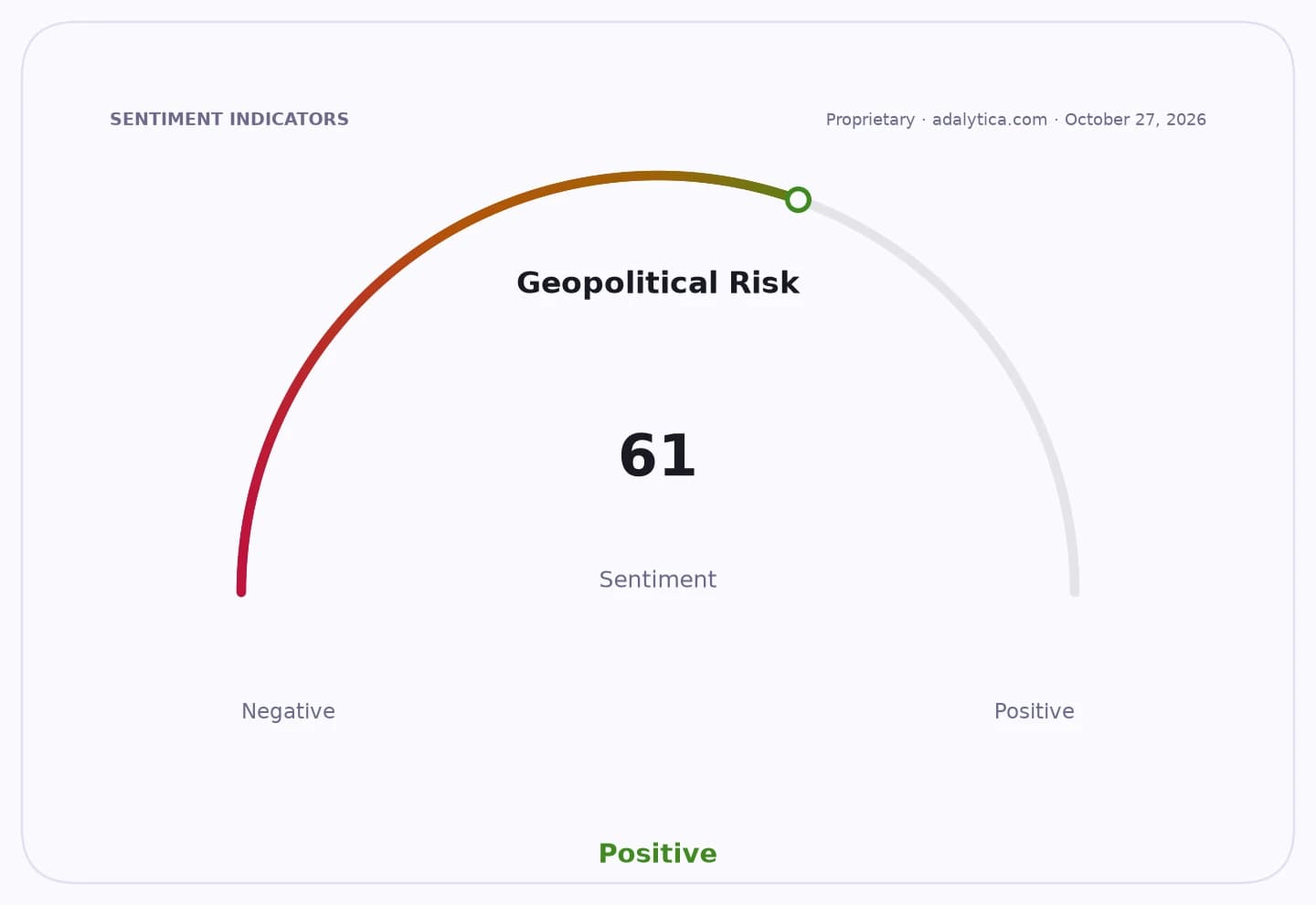
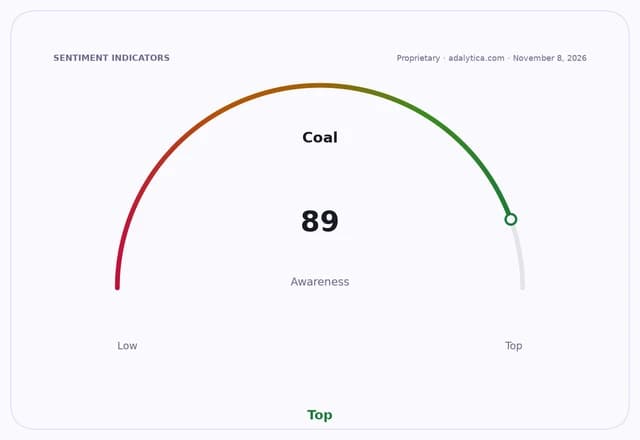
Sentiment Indicators
The story is also one of adaptation. In January 2026, the federal government formalized an energy reserve contract for Jorge Lacerda that runs until 2040, giving operator Diamante Energia a longer window to plan investment, technology upgrades and a gradual shift in its business model. For investors, the extension reduces near-term shutdown risk, but it does not remove the structural pressure on coal-fired generation from decarbonization, tighter regulation and the economics of cleaner alternatives.
That tension is central to the region’s outlook. Santa Catarina’s coal industry helped create the rail link from the interior to the coast, supported ceramics, heavy industry and vocational training, and still underpins local income in places such as Treviso, where miners estimate about 70% of municipal revenue comes from coal activity. Yet the sector also carries a heavy legacy of degraded land and acid drainage, pushing companies and research centers to seek value in what was once waste.
The push to monetize residues is becoming part of the industry’s survival strategy. SATC’s technology center is testing ways to turn ash into zeolite for agriculture, extract rare earths from mining byproducts and convert pyrite into chemicals for water treatment. That matters because it offers a path to lower the environmental cost of the basin while creating higher-value uses for material that has historically been treated as an externality.
For markets, the immediate readthrough is mixed. Coal producers and the rail, power and industrial suppliers tied to the basin gain from the certainty of continued operations through 2040, while clean-energy competitors and environmental advocates lose ground in the short run. Over time, however, the winners will be the companies that can reduce emissions, improve recovery rates and repurpose tailings, while the losers are likely to be operators unable to finance the transition or absorb the cost of remediation.
| Entity | Gains | Losses |
|---|---|---|
| Jorge Lacerda / Diamante Energia | ▲operating runway to 2040 | ▼shutdown risk reduced, not eliminated |
| Santa Catarina coal basin | ▲jobs, tax revenue, power supply | ▼pressure to decarbonize |
| Local municipalities such as Treviso | ▲fiscal dependence sustained | ▼economic diversification delayed |
| Clean-energy rivals / environmental groups | ▲— | ▼coal remains in the grid mix |