Southern Energy is moving closer to launching Argentina’s first large-scale LNG export project from Río Negro, with offshore pipeline work due to begin in mid-November and commercial operations targeted for October 2027.
Southern Energy Argentina LNG project targets 2027 start
The timing matters because the project would add a new export outlet for Vaca Muerta gas and, over time, give Argentina a chance to convert a domestic energy surplus into hard-currency sales. The scheme also carries wider significance for the country’s infrastructure backlog: without the offshore link, the floating liquefaction vessels cannot be tied into the onshore gas system, leaving the export plan as a paper project rather than a revenue stream.
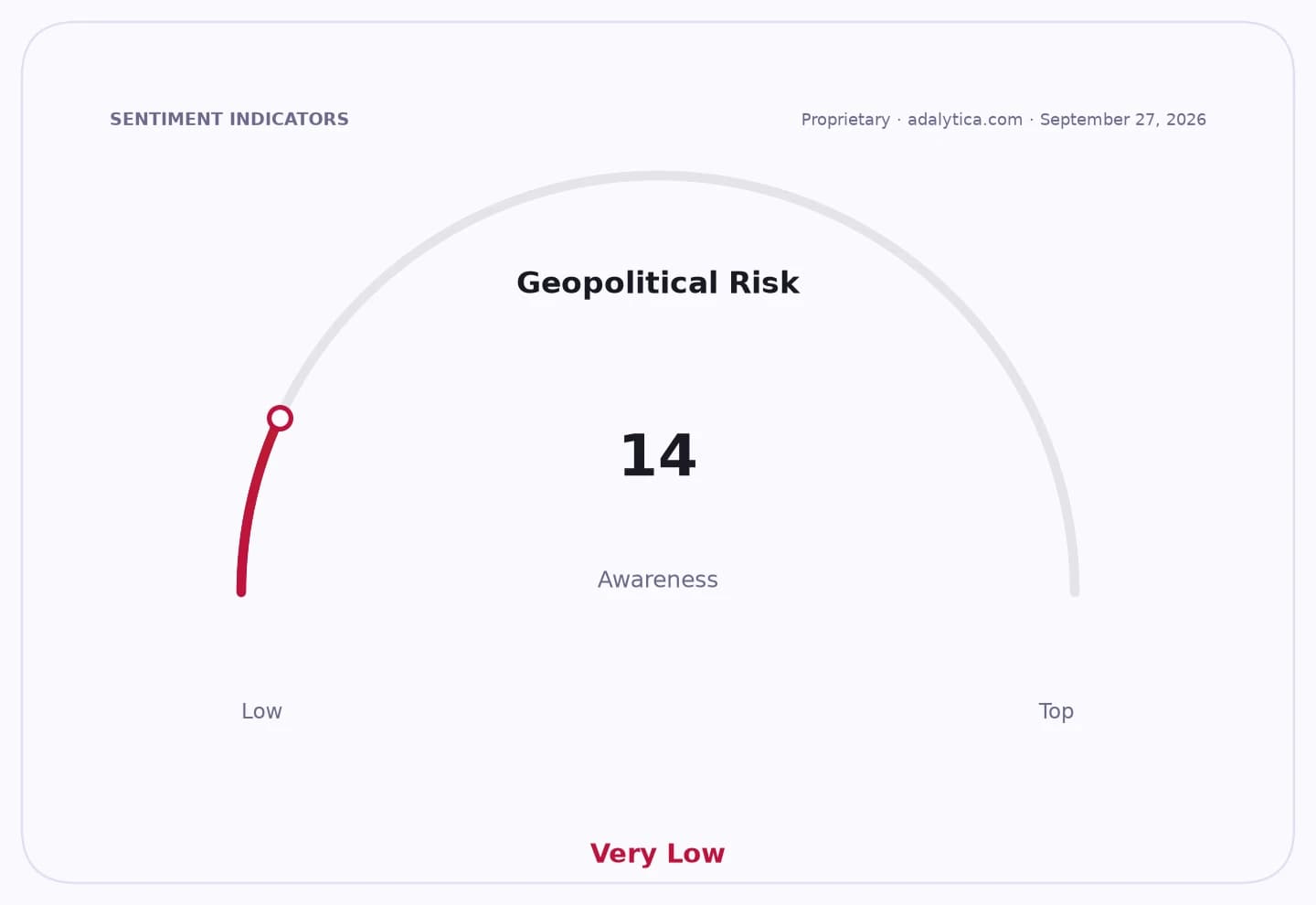
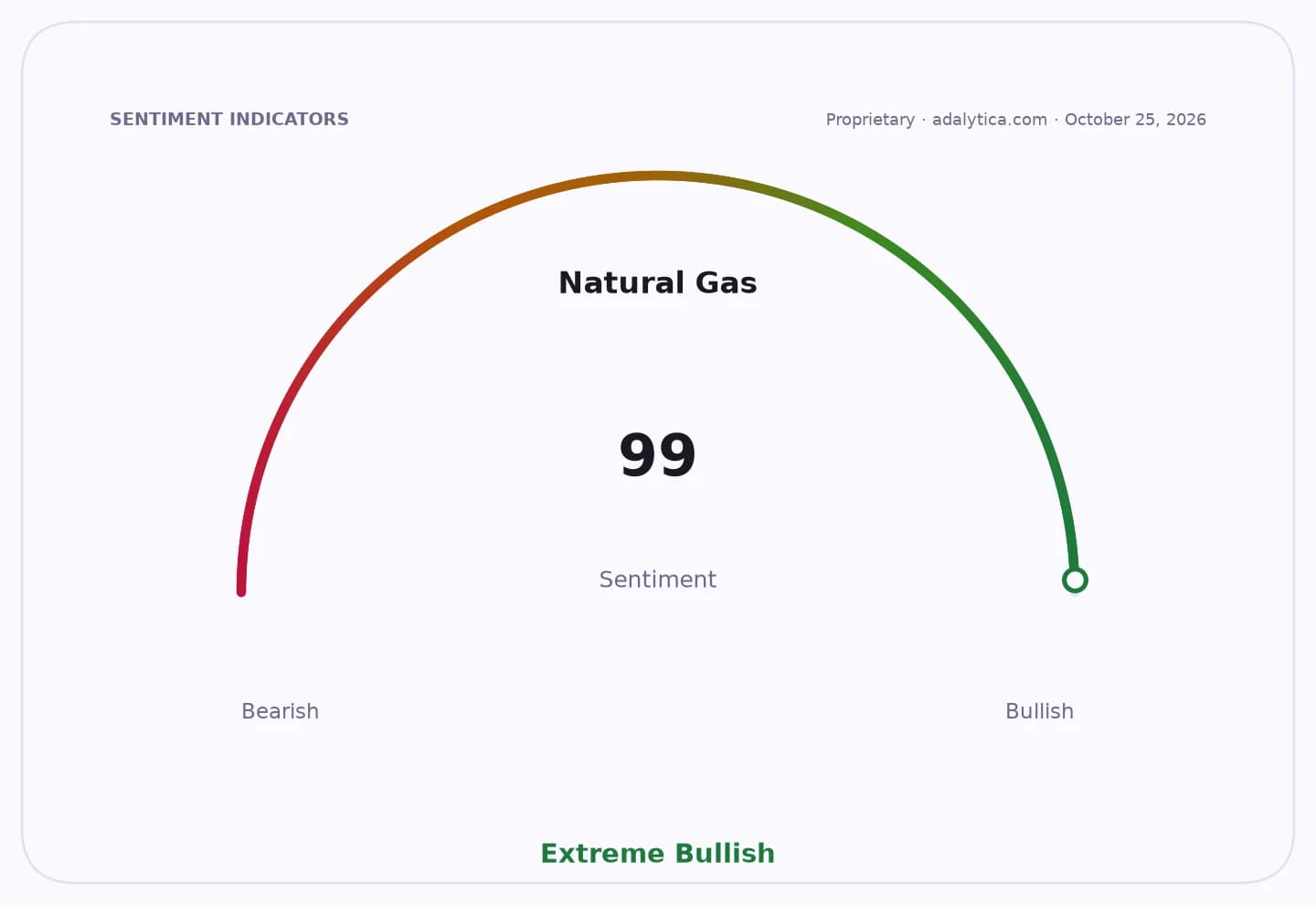
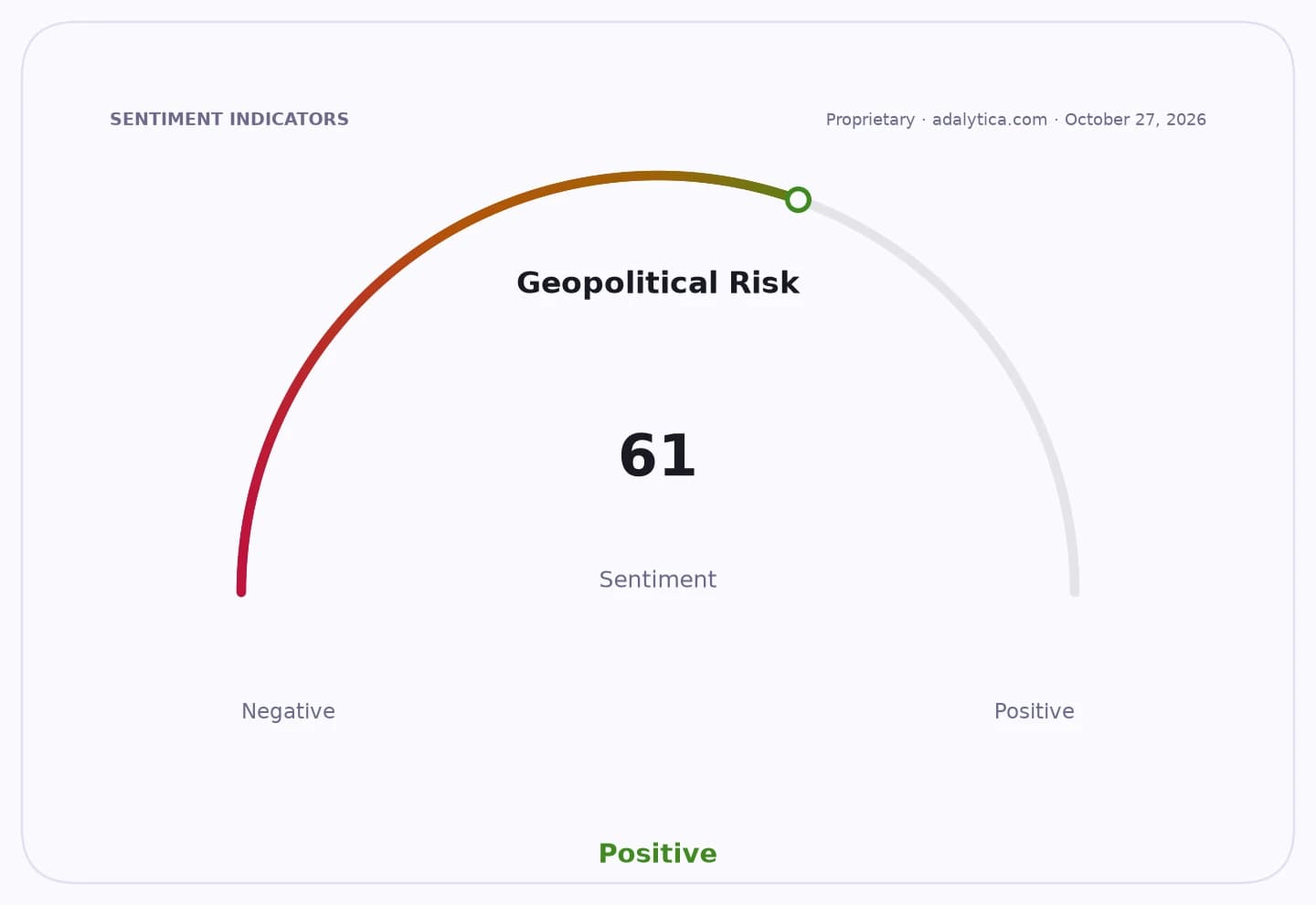
Sentiment IndicatorsⓘProprietary · adalytica.com · October 27, 2026
This is a snapshot — live sentiment, awareness and momentum for 130+ markets update continuously in the dashboard.Open AlphaPulse
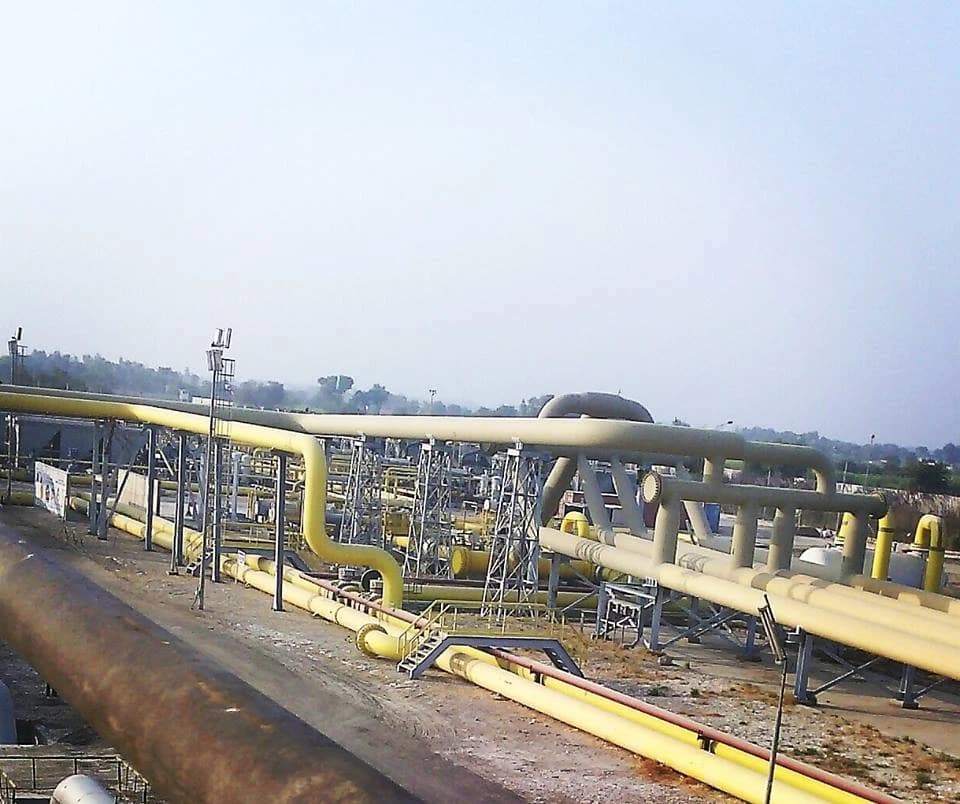
Southern Energy, or SESA, is backed by Pan American Energy, YPF, Pampa Energía, Harbour Energy and Golar LNG, and has already secured approval under Argentina’s large investment incentive regime to export as much as 6 million tonnes a year of LNG. The project will use two floating liquefaction units off the coast of Fuerte Argentino, south of Las Grutas, starting with the Hilli Episeyo, which will initially connect to the San Martín gas pipeline.
CEO Rodolfo Freyre said the company expects to start laying the offshore gas pipeline around mid-November, while land-based infrastructure is already well advanced. The first turbocompressor has arrived at the San Antonio Este compression plant, with two more due between December and January. The Hilli Episeyo’s mooring system is expected to arrive at the end of February for installation on the seabed.
The buildout is staged to reduce execution risk. The Hilli Episeyo is expected to reach Río Negro in June 2027, followed by roughly four months of commissioning as the liquefaction trains are tested at rising gas volumes. If that schedule holds, commercial operations would begin in October 2027.
For investors, the key point is that the project is becoming more bankable and more visible. SESA has already signed a long-term contract with Germany’s SEFE, which should provide demand certainty and help underpin financing and future cargo placement, particularly in Europe’s winter market. Freyre said such LNG deals are typically indexed rather than fixed-price, and SEFE’s formula links payments to Henry Hub and Brent, giving the project exposure to global gas and oil benchmarks rather than a single administered price.
The second phase, due in 2028, is where the project becomes strategically more important. Southern Energy expects the San Matías gas pipeline to be completed by April or May 2028, allowing the project to begin taking gas from Vaca Muerta rather than relying first on the Austral Basin. The arrival of a second floating plant, the MK II, renamed Esperanza, would lift output significantly and expand the export platform from Río Negro.
Freyre said the two ships together will handle almost 27 million cubic meters of gas, roughly two-thirds of what Argentina’s industrial market consumes. That scale underscores the broader economic relevance: a successful LNG export corridor could reshape domestic gas flows, support upstream production in Neuquén, and create a new source of foreign-exchange earnings for a country that has long struggled with balance-of-payments pressure.
Market reaction has already reflected the importance of the project for Argentina-linked energy names. Shares of YPF and Pampa Energía have moved sharply this year as investors priced in the possibility of stronger midstream and export opportunities tied to Vaca Muerta, while transport and infrastructure assets such as Transportadora de Gas del Sur have also benefited from the prospect of higher throughput and a more integrated gas system.
The main risks remain execution, timing and commodity pricing. Offshore marine works, mooring installation and commissioning all carry schedule risk, while the economics of LNG exports will still depend on global gas benchmarks, freight and seasonal demand. But if Southern Energy meets its milestones, the project would mark a structural shift for Argentina: from a gas market constrained by domestic infrastructure to one with the capacity to sell LNG to Europe and beyond.
| Entity | Gains | Losses |
|---|---|---|
| Southern Energy / SESA | ▲Export revenue potential | ▼Execution and timetable risk |
| YPF, PAE, Pampa, Harbour, Golar | ▲Value from LNG optionality | ▼Capital tied up in a long buildout |
| Argentina / Vaca Muerta producers | ▲New hard-currency outlet | ▼Dependence on global LNG prices |
| European buyers such as SEFE | ▲Diversified gas supply | ▼Less leverage in spot pricing |