Volkswagen AG’s creditworthiness is coming under sharper scrutiny after the automaker’s Frankfurt-listed shares slid to 68 euros, down about 24% from a January high and near their weakest level in more than a year, while a bond linked to VW’s default risk remains priced against the company’s ability to avoid a credit event.
Volkswagen shares fall to near 1-year low
The move matters because Volkswagen sits at the center of Europe’s auto industry, and any sustained deterioration in its equity value or operating outlook can feed through to funding costs, supplier confidence and investor appetite for the sector’s debt. For a group with global manufacturing scale and heavy capital needs, even modest changes in perceived credit quality can ripple through refinancing terms and derivative pricing.
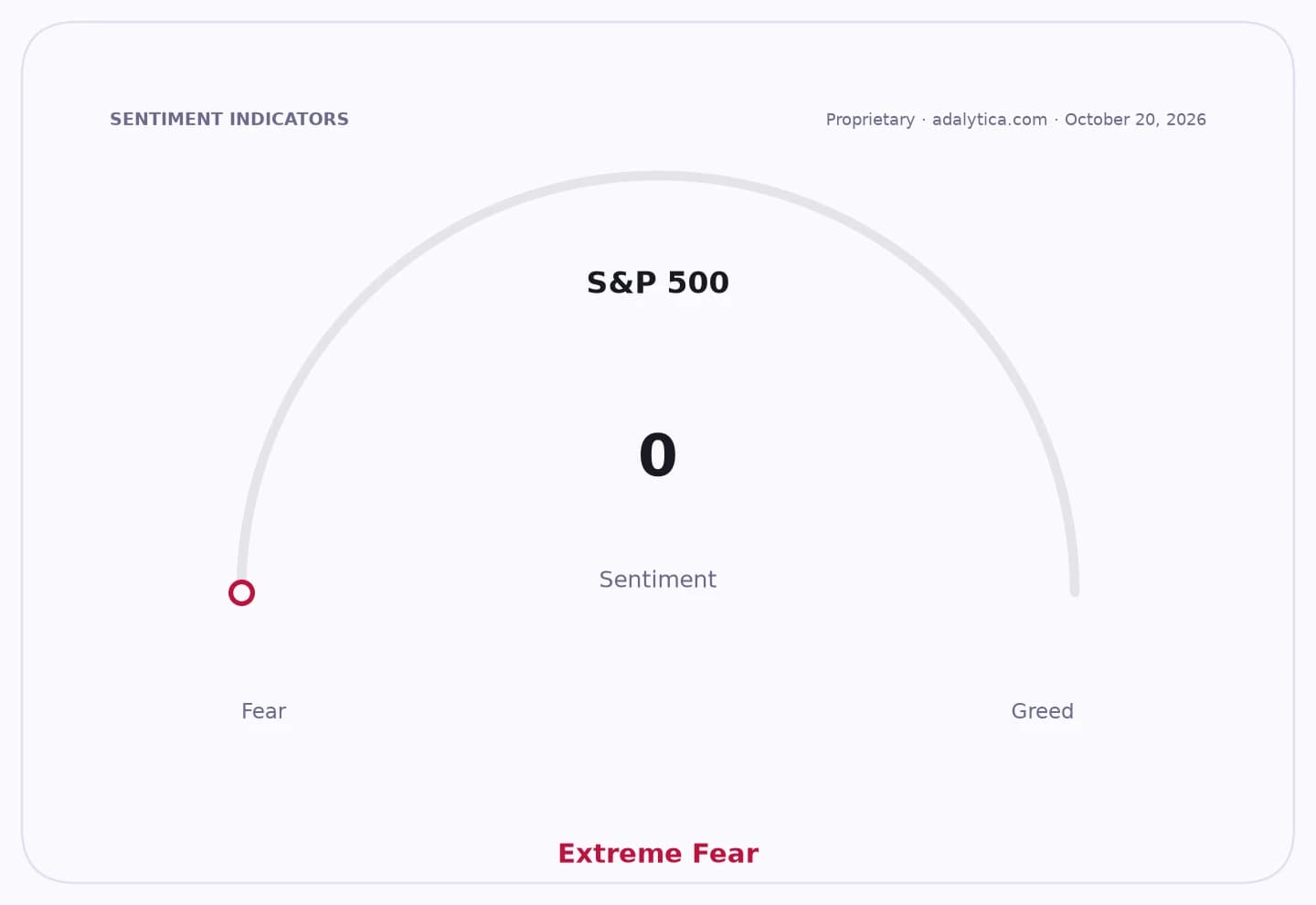
Sentiment IndicatorsⓘProprietary · adalytica.com · October 11, 2026
This is a snapshot — live sentiment, awareness and momentum for 130+ markets update continuously in the dashboard.Open AlphaPulse
VW’s stock fell from 81.04 euros on Sept. 17 to 68 euros on Oct. 9, extending a sharp selloff that began in early October. The shares now trade well below the 50-day moving average of 74.86 euros and below the 200-day moving average of 82.4 euros, while the RSI has dropped to 29.3, a reading that points to a deeply oversold market.
The weakness in Volkswagen tracks a broader rethink of European carmakers’ balance-sheet resilience as they absorb slower demand, pricing pressure and heavy spending on electrification. Credit-sensitive instruments tied to Volkswagen’s debt risk are designed to pay coupons unless a credit event such as a missed payment, insolvency or restructuring occurs, so any widening concern around cash flow or refinancing directly affects the value of those products.
For investors, the issue is less about an imminent default than about how much stress the market is willing to price into one of Europe’s largest industrial borrowers. A weaker share price can make it harder for the company to support sentiment around its credit profile, especially when macro signals remain mixed and risk appetite in the broader market is still elevated.
Volkswagen’s next catalyst will be whether management can stabilize margins and reassure debt investors after the recent equity slide. Until then, the bond market will continue to treat VW not just as a carmaker, but as a test case for how much strain Europe’s autos sector can absorb before credit spreads start to bite.
| Entity | Gains | Losses |
|---|---|---|
| Volkswagen bondholders | ▲If VW stabilizes, credit hold value | ▼If default risk perception rises |
| Volkswagen AG | ▲Lower borrowing costs if confidence returns | ▼Higher funding pressure if selloff deepens |
| Equity short sellers | ▲Benefit from continued share weakness | ▼Lose if shares rebound sharply |
| Auto sector competitors | ▲Relative strength if VW underperforms | ▼Pressure if credit stress spreads |