Rising floating car-loan rates are squeezing borrowers and forcing lenders to liquidate collateral more aggressively, a sign that higher funding costs are now feeding directly into credit stress in consumer auto finance.
Vietnam car loan rates rise as banks auction collateral
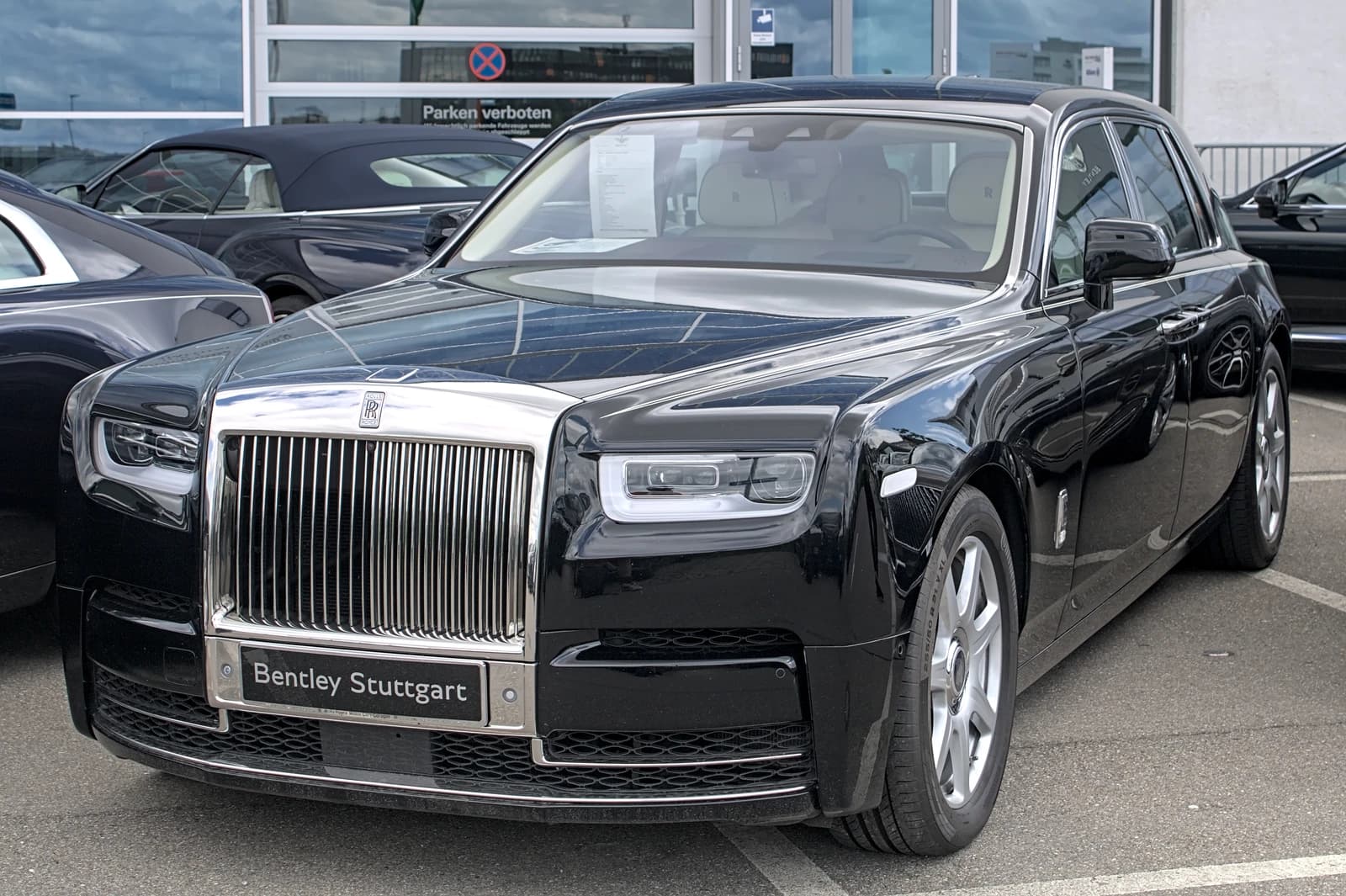
In Vietnam, borrowers who took out car loans at promotional rates of about 8.2% a year are seeing those costs reset to 17%-18% after the teaser period ends, more than doubling monthly debt service and leaving fixed-income households particularly exposed. Bank notices of asset sales are becoming more frequent as lenders move to recover overdue loans, with collateral ranging from used sedans and SUVs to a Rolls-Royce Ghost with a starting price of nearly 11 billion dong, or about $430,000.
Sentiment IndicatorsⓘProprietary · adalytica.com · October 12, 2026
This is a snapshot — live sentiment, awareness and momentum for 130+ markets update continuously in the dashboard.Open AlphaPulse

The story matters because auto loans are often among the first consumer credit products to show stress when rates rise. Unlike mortgage borrowers, car buyers typically have shorter loan terms, weaker collateral protection and less room to refinance, so payment shocks can quickly translate into delinquencies and forced sales. In a tightening-cycle environment, that can pressure lenders’ net interest margins at the same time as it raises credit losses and used-car inventory risk.
The wave of auctions also shows how quickly financial strain can spread across the auto market’s price spectrum. VietinBank’s HCMC unit is seeking buyers for the Rolls-Royce Ghost and five Hyundai tanker trucks linked to Xuyen Viet Oil, while TPBank is offering a Mitsubishi Attrage, VinFast Lux SA 2.0, MG5 models and a Kia at starting prices from 225 million dong to 485 million dong. SeABank’s Đại An branch is trying for the eighth time to dispose of a 2014 Ford Everest at 135 million dong. The pattern suggests lenders are no longer limiting workouts to lower-value collateral and are willing to move premium assets as they seek cash recovery.

For banks, more repossessions can help clean up balance sheets in the near term, but they also point to rising operational and valuation risk. Used-vehicle prices can soften when multiple lenders are liquidating similar collateral, which reduces recovery values and can lengthen the time needed to close bad loans. For investors, that creates a mixed picture: lenders may benefit from higher lending yields in the near term, but prolonged stress in floating-rate consumer books can lift provisions and weigh on earnings quality.
The broader backdrop is one of elevated borrowing costs still working through the system even as some policy rates cool elsewhere. In that environment, the key question for banks is not whether loan growth can continue, but how much of today’s higher-rate lending will survive the reset phase without turning into nonperforming assets. Borrowers facing repricing risk may seek refinancing or restructuring, but if rates stay high, the current auction wave could be an early sign of more pressure ahead in consumer credit.
| Entity | Gains | Losses |
|---|---|---|
| Banks | ▲Higher loan yields | ▼More repossessions and credit losses |
| Borrowers | ▲None | ▼Higher EMIs and default risk |
| Used-car buyers | ▲Discounted collateral sales | ▼Greater supply and price pressure |
| Lenders’ shareholders | ▲Potential margin support | ▼Higher provisions and volatility |