Australia’s distressed property listings have jumped nearly 30% in a year, a sign that higher borrowing costs and persistent living-cost pressure are pushing more homeowners toward forced sales and widening the strain across the housing market.
Australia distressed property listings rise 30%
The surge matters because distressed stock is usually a lagging indicator of household stress: first comes the squeeze on cash flow, then missed repayments, and finally properties that need to be sold under pressure. That sequence can add supply to markets already wrestling with affordability, even as owners face the prospect of accepting discounts to move quickly. For lenders, the trend raises the risk of higher arrears and losses. For investors, it is a reminder that housing weakness can show up not only in prices, but in transaction quality and credit performance.
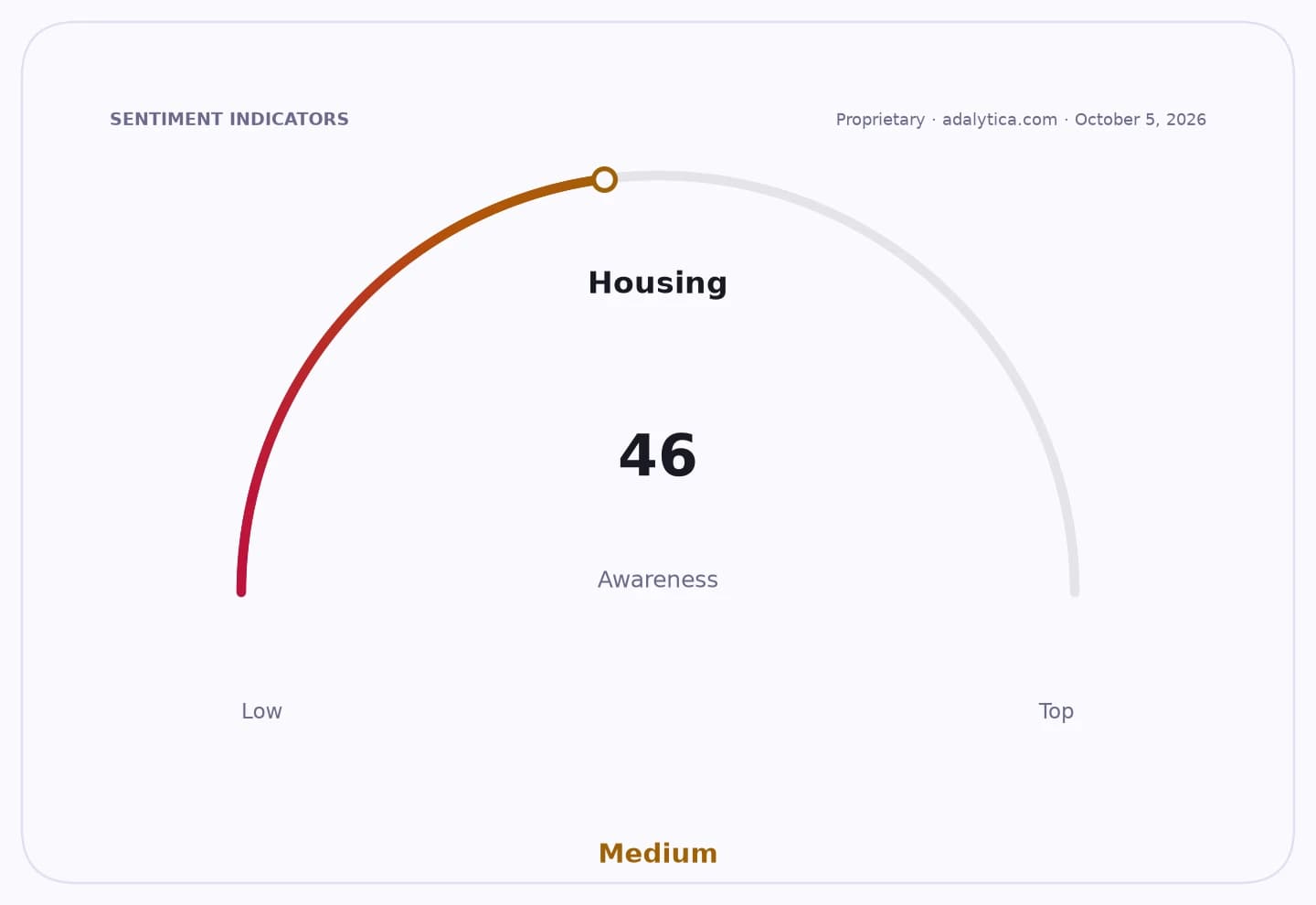
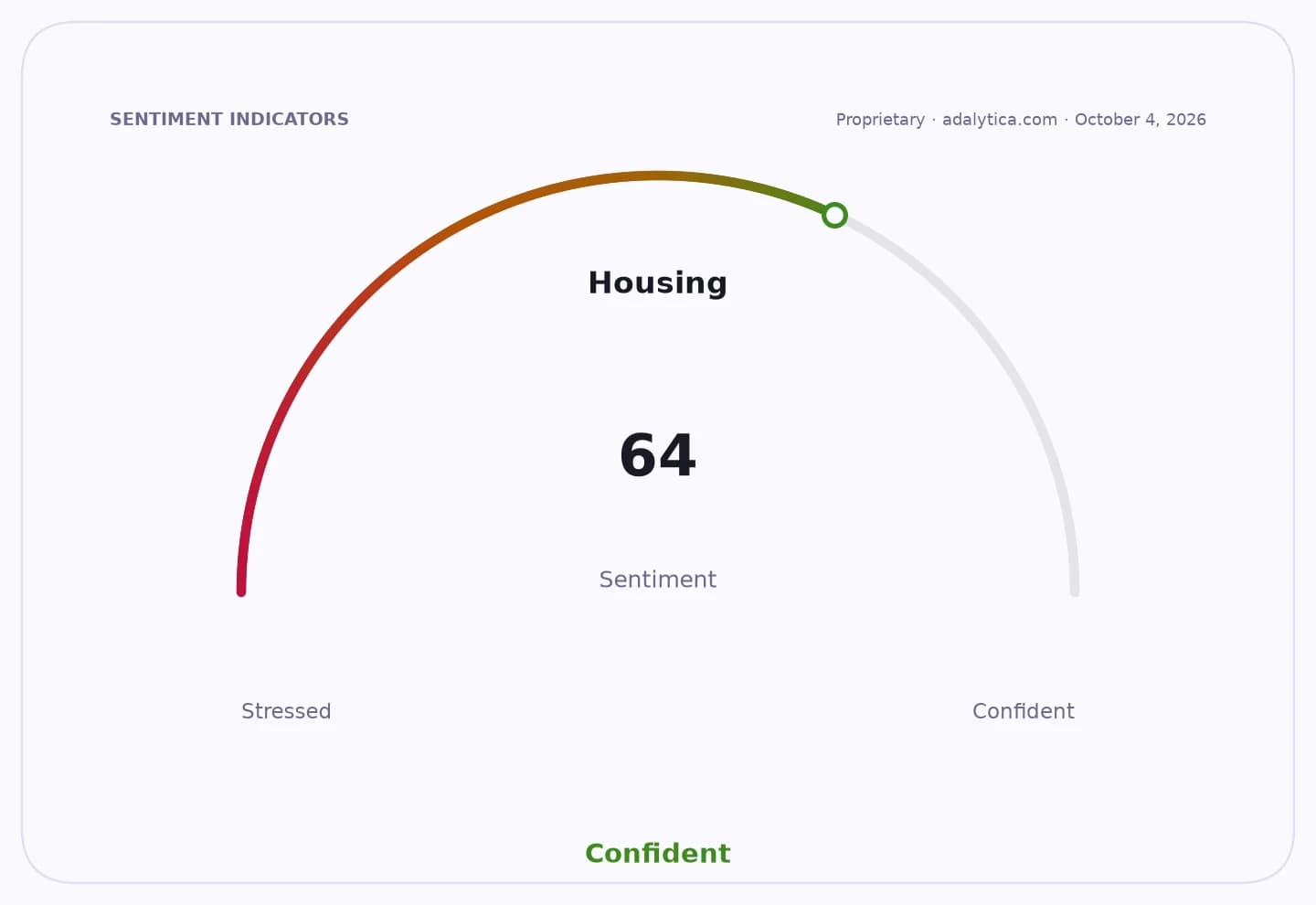
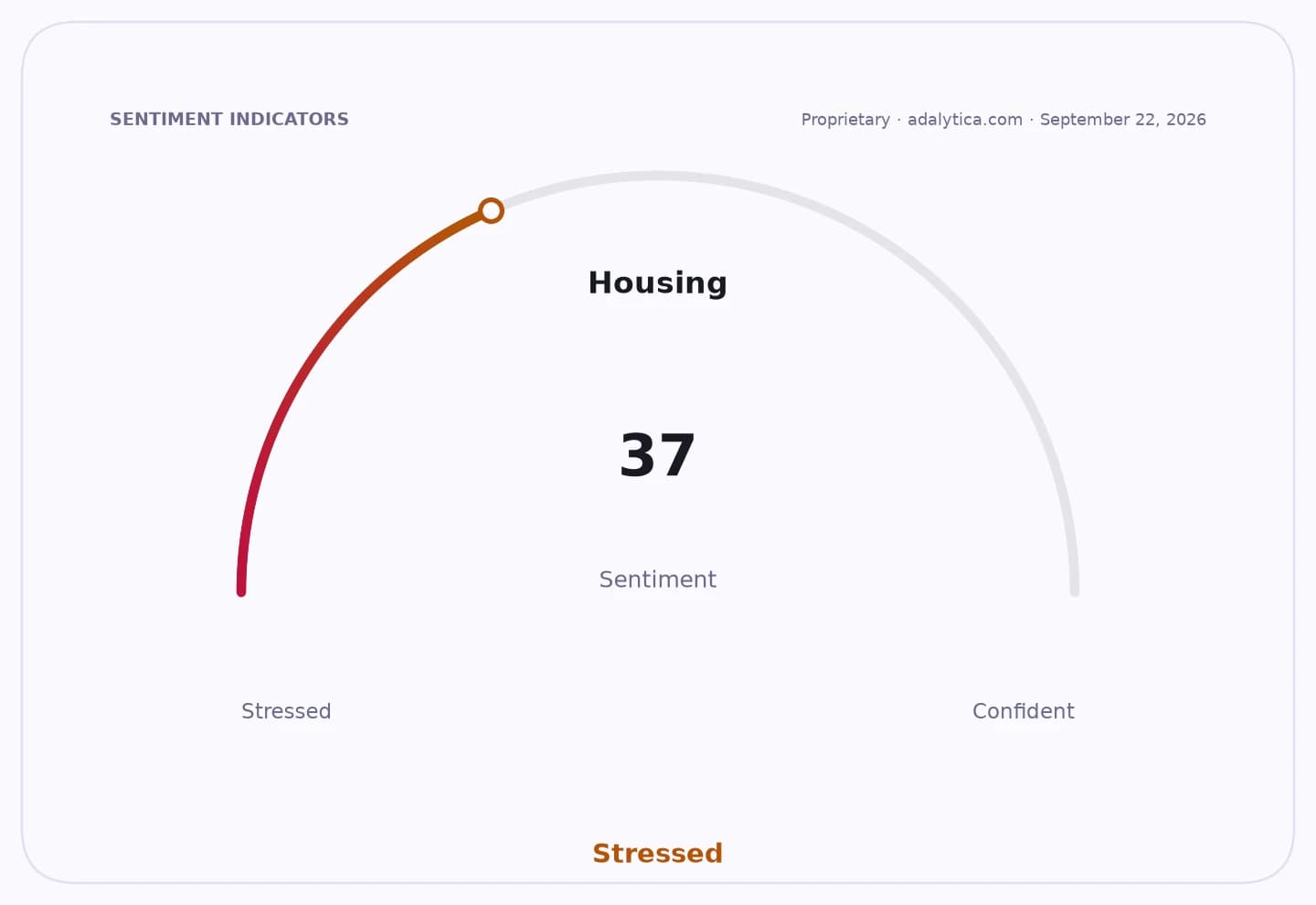
Sentiment IndicatorsⓘProprietary · adalytica.com · October 9, 2026
This is a snapshot — live sentiment, awareness and momentum for 130+ markets update continuously in the dashboard.Open AlphaPulse
The Australian data fits a broader pattern of mortgage stress seen in other advanced economies where rates have reset sharply higher and household balance sheets are absorbing the shock unevenly. In the US, mortgage applications have fallen for a fifth straight week and refinancing demand has slumped, reflecting how quickly higher long-term rates can freeze activity. In Australia, the same basic mechanism is at work: households that locked in cheaper loans during the low-rate era are now contending with much steeper repayments as those loans roll over.
That makes the financing channel more important than the central bank’s policy rate alone. What ultimately determines repayment pressure is the cost of long-term funding and the pass-through into mortgage pricing. When those costs stay elevated, more borrowers hit a threshold where discretionary spending is no longer enough to bridge the gap. Distressed listings are the visible outcome.
Economically, the increase also risks feeding a negative feedback loop. More forced sales can weigh on local prices, especially in weaker suburbs and regional markets where buyer depth is thinner. That can erode household wealth and make refinancing harder for owners already close to the edge. If the trend persists, it could also curtail construction demand and housing turnover, which would ripple into brokers, agents, lenders and related services.
For banks, the immediate question is whether the rise in forced listings remains manageable or starts to translate into wider arrears and higher provisioning. For investors in Australian housing and credit, the focus is on whether the stress is still concentrated among a subset of borrowers or becoming broad-based enough to pressure loan books and sentiment more widely.
The bull case is that the labour market and bank underwriting standards continue to cushion the system, preventing distress from turning into a fuller housing correction. The bear case is that living-cost pressure and higher debt-service burdens keep forcing more owners to sell into a market that can ill afford a bigger wave of supply. The next few months of listings, arrears data and lender commentary will show which side is winning.
| Entity | Gains | Losses |
|---|---|---|
| Bargain buyers | ▲More choice | ▼Less negotiating power on quality |
| Distressed sellers | ▲Faster exit | ▼Lower sale prices |
| Banks | ▲Still sound capital buffers | ▼Higher arrears and provisioning risk |
| Housing market overall | ▲Clears stressed stock | ▼Near-term price pressure |