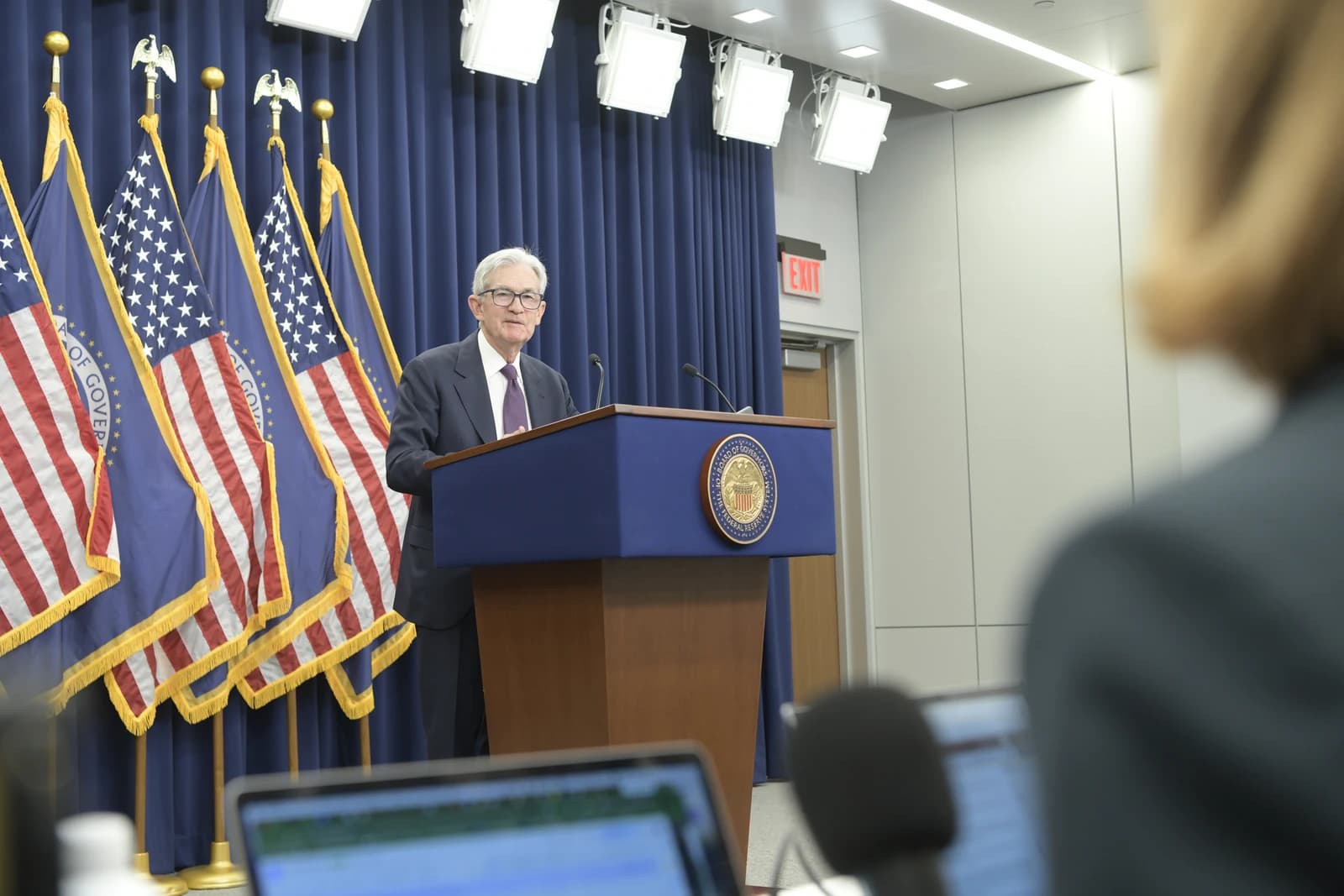
Christopher Waller’s signal that the Federal Reserve can leave interest rates unchanged in September unless inflation data “surprises” is a meaningful hawkish pause for markets that had been leaning toward easier policy. The message matters because it keeps the Fed on hold even as growth risks, tariff pressure and energy costs swirl, and it reinforces the idea that the next move depends almost entirely on the inflation prints still to come.
Waller Signals Fed May Hold Rates in September
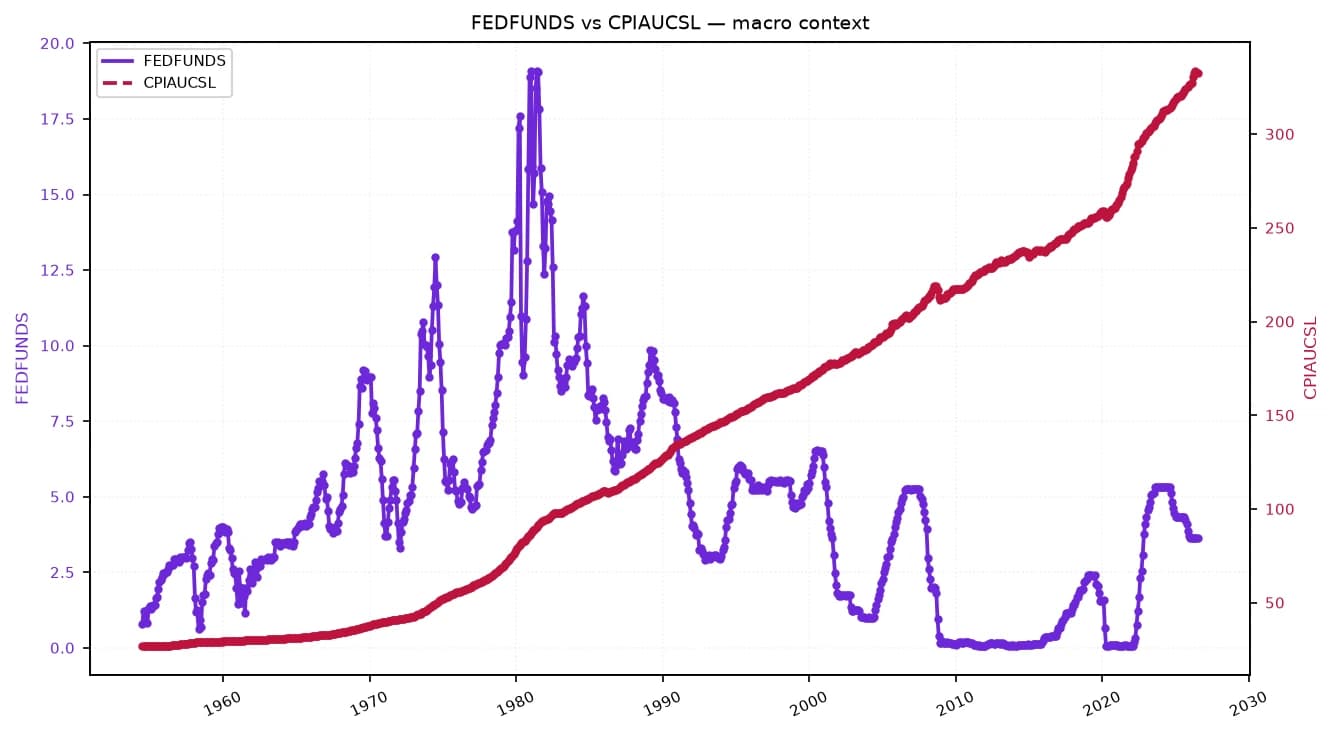
Waller said he is comfortable with the current trend in inflation and believes the pass-through from tariffs has been mild, while higher energy prices have not spilled broadly through the economy. That is the kind of comment traders listen to closely because Waller is widely seen as one of the more data-driven voices on the Fed. He acknowledged inflation is still “materially above” the central bank’s 2% goal, but argued recent readings point to “some signs of disinflation finally showing up.”
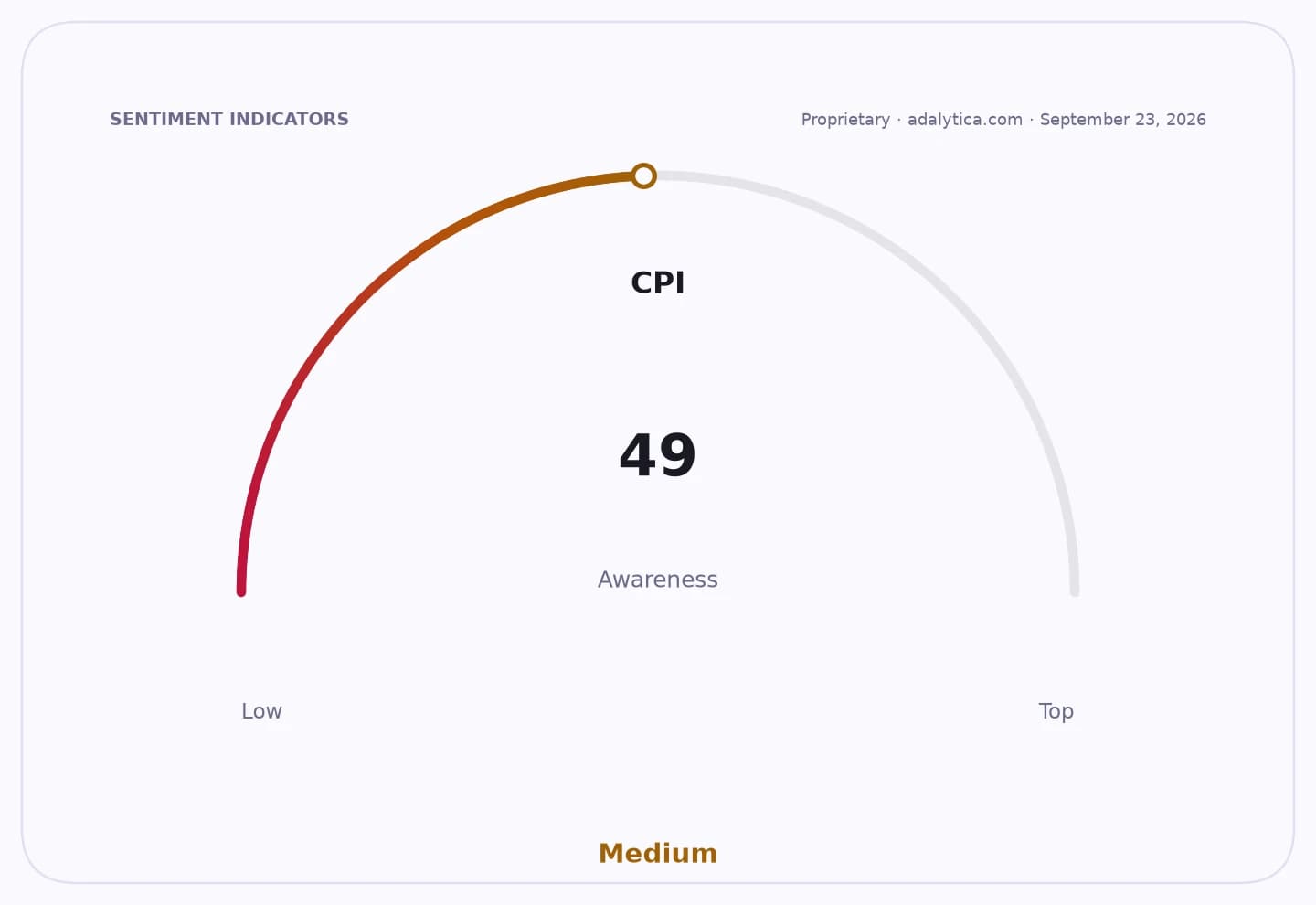
Sentiment IndicatorsⓘProprietary · adalytica.com · September 3, 2026
This is a snapshot — live sentiment, awareness and momentum for 130+ markets update continuously in the dashboard.Open AlphaPulse
Markets quickly recalibrated. The probability of a September rate increase was marked around 48.4%, down roughly 15 percentage points from Wednesday, according to the context provided. In practical terms, that repricing supports Treasury yields near the top end of their recent range, with the 10-year note around 4.76% to 4.80%, while keeping pressure on rate-sensitive parts of the market that need a clean easing cycle to re-rate.
That is exactly why this matters for investors: the Fed is not handing out a dovish pivot. Instead, it is telling the market that sticky inflation still has veto power over policy, even if the labor market and broader economy are not obviously overheating. In a world where oil can jump on geopolitics and tariffs can reintroduce cost pressure, the bar for cuts stays high.
The market response is already visible in the bond complex. Long-dated Treasury exposure, as tracked by TLT, has been trading in the low $82 area, below its 50-day average and under its 200-day average, a sign investors are not yet pricing a durable easing cycle. The 10-year yield has also stayed elevated relative to recent months, and conventional momentum indicators such as the RSI and moving averages suggest a market still digesting higher-for-longer rates rather than anticipating an immediate policy reversal.
The bigger narrative is that the disinflation trade is alive, but not won. Waller is effectively saying the Fed can afford patience because inflation trends are improving, yet it will not ease just to satisfy market expectations. That keeps the debate centered on the next CPI and PCE releases, and on whether energy and tariff effects stay contained.
For investors, the implications are straightforward. Banks such as JPMorgan and Bank of America may welcome a slower path to cuts if it keeps net interest margins firmer for longer, while bond bulls need cooler inflation to regain control. Rate-cut beneficiaries, from duration-heavy ETFs to small caps and housing-sensitive names, now need the data to do the talking.
The trade from here is to stay selective: favor sectors that can thrive under sticky rates, and keep dry powder for duration winners only if the next inflation prints confirm Waller’s view that disinflation is reasserting itself. If they do not, the market will have to keep paying up for the privilege of waiting.
| Entity | Gains | Losses |
|---|---|---|
| Banks | ▲Wider net interest margins | ▼Faster Fed cuts |
| Treasury bears | ▲Higher yields persist | ▼Bond prices |
| Dollar bulls | ▲Carry and rate support | ▼Rate-cut bets |
| Duration-sensitive stocks | ▲None until inflation cools | ▼Easier-policy hopefuls |