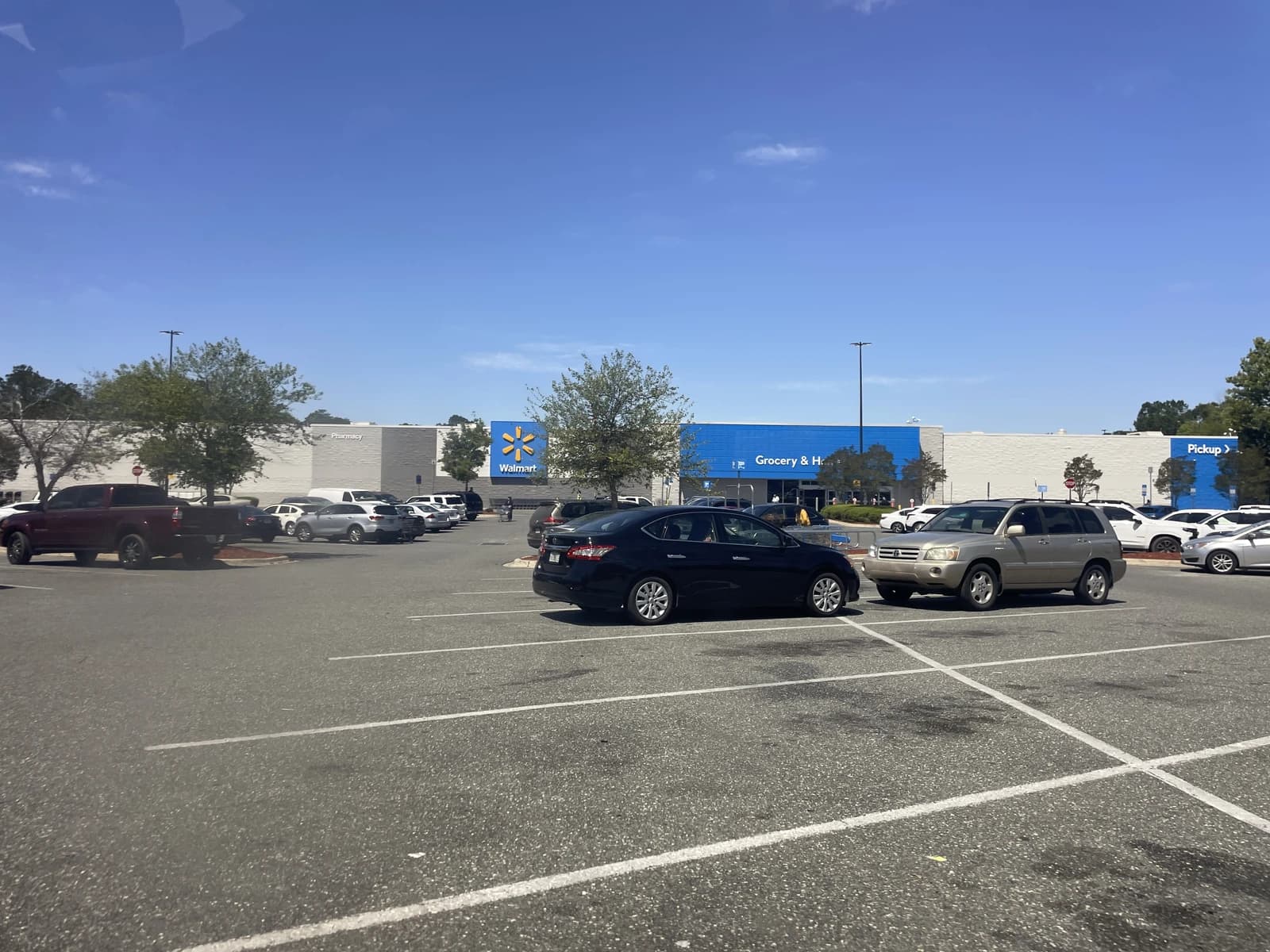
Walmart is set to bring Tap to Pay to more of its stores and Sam’s Club locations, a small-looking checkout change that could quietly reinforce one of retail’s biggest profit engines: digital payments.
Walmart Tap to Pay rollout boosts checkout
For investors, the significance is bigger than the feature itself. When a retailer with Walmart’s traffic makes paying faster and easier, it can increase card usage, improve checkout conversion and nudge more transactions onto the payment rails run by Visa and Mastercard. That matters because every incremental swipe, tap or tokenized transaction supports fee-based revenue in a payments industry built on scale.
Sentiment IndicatorsⓘProprietary · adalytica.com · August 22, 2026
This is a snapshot — live sentiment, awareness and momentum for 130+ markets update continuously in the dashboard.Open AlphaPulse
Walmart is the world’s largest retailer and one of the most important transaction generators in U.S. commerce. Its stores and clubs serve millions of shoppers every day, which makes even modest changes in payment behavior meaningful over time. A rollout of Tap to Pay also fits a broader shift in retail: consumers increasingly expect contactless checkout, and merchants want to cut friction at the point of sale.
The market backdrop adds to the importance. Visa shares have been trading around $371, well above the 50-day moving average, while Mastercard has climbed to about $581, also above its 50-day average. That suggests investors are already leaning into the long-term story of resilient payments growth. Walmart, meanwhile, has been more volatile, with the stock recently near $104 after a sharp pullback from summer highs. For long-term holders, that kind of pullback can create an opening if the company keeps improving the shopping experience and defending its traffic.
There is a second-order benefit too. Faster checkout can help Walmart and Sam’s Club keep lines moving and reduce friction during busy periods, which may matter more as consumers become choosier and value-conscious. In other words, Tap to Pay is not just a convenience upgrade. It is part of the ongoing battle to make shopping easier, faster and stickier.
There are limits, of course. Contactless payments do not transform the retail economics overnight, and Walmart’s broader business still depends on grocery inflation, traffic trends, inventory control and labor costs. But this is the kind of incremental operational improvement investors should like: small on its own, potentially powerful when repeated across a massive store base.
Over a three- to 10-year horizon, the winning thesis is straightforward. Walmart keeps drawing shoppers through convenience and scale, while Visa and Mastercard benefit from more digital payment volume. If you are building a diversified portfolio for the long run, this is the kind of quiet infrastructure shift worth watching — and possibly buying on weakness.
| Entity | Gains | Losses |
|---|---|---|
| Walmart | ▲Faster checkout, better shopper experience | ▼Cashier friction, checkout bottlenecks |
| Visa | ▲More card-tap transactions | ▼Fewer cash-only purchases |
| Mastercard | ▲Higher network volume | ▼Less reliance on older payment methods |
| Cash-heavy payment options | ▲Lower usage | ▼Share of checkout volume |