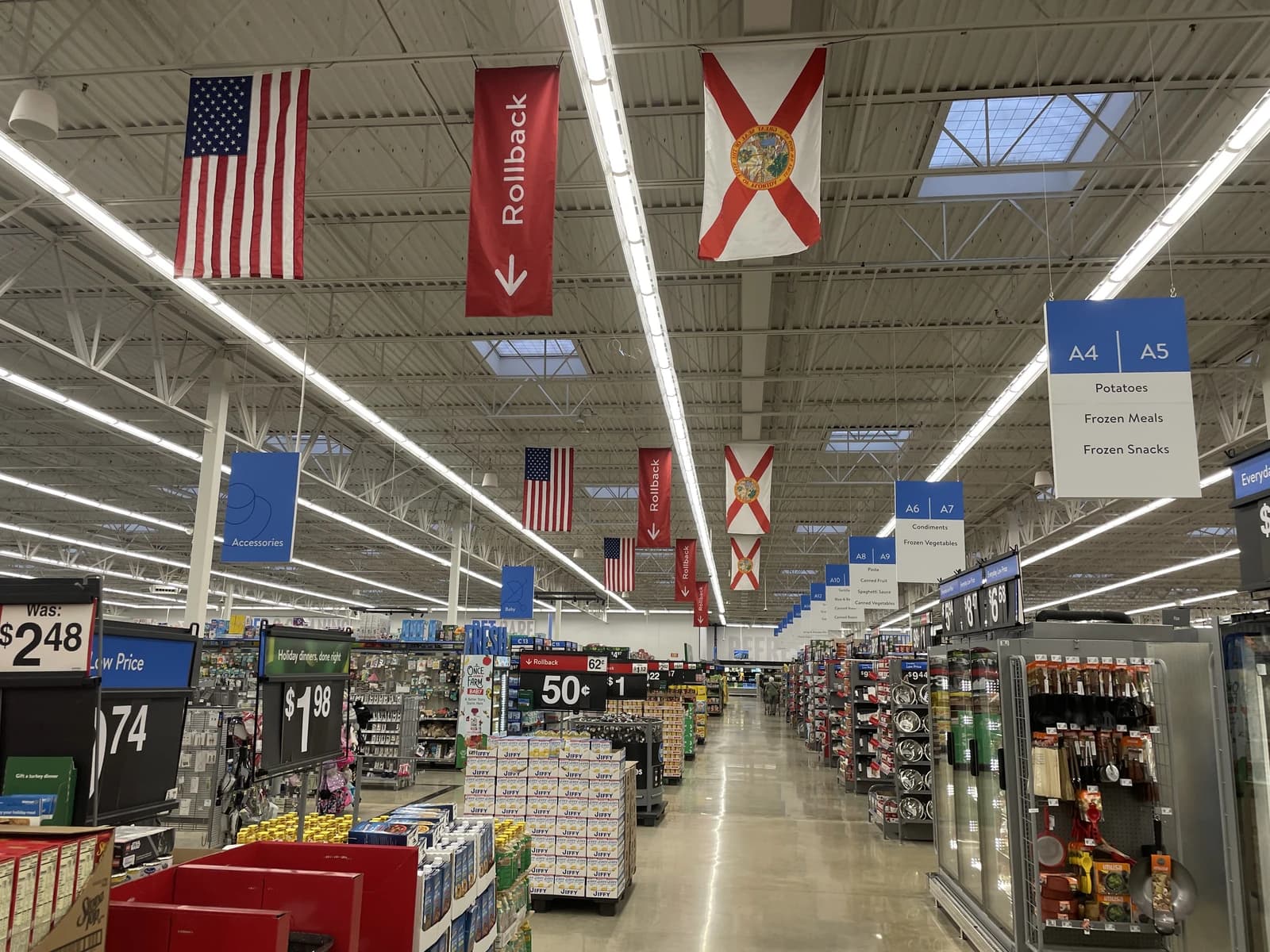
Black Friday shopping is becoming more disciplined and less frenetic, but major retailers still expect the day after Thanksgiving to anchor holiday traffic, with Walmart and Target both opening at 6 a.m. in 2026.
Walmart and Target Plan 6 a.m. Black Friday Openings
That matters because the timing underscores how the holiday shopping season has been pulled forward: more than 60% of consumers now begin buying before Thanksgiving, up from 56% before the pandemic, according to the National Retail Federation. In other words, the biggest sales event of the weekend is no longer the trigger for holiday demand so much as the last major in-store capture opportunity for retailers trying to convert cautious consumers with discounts and convenience.
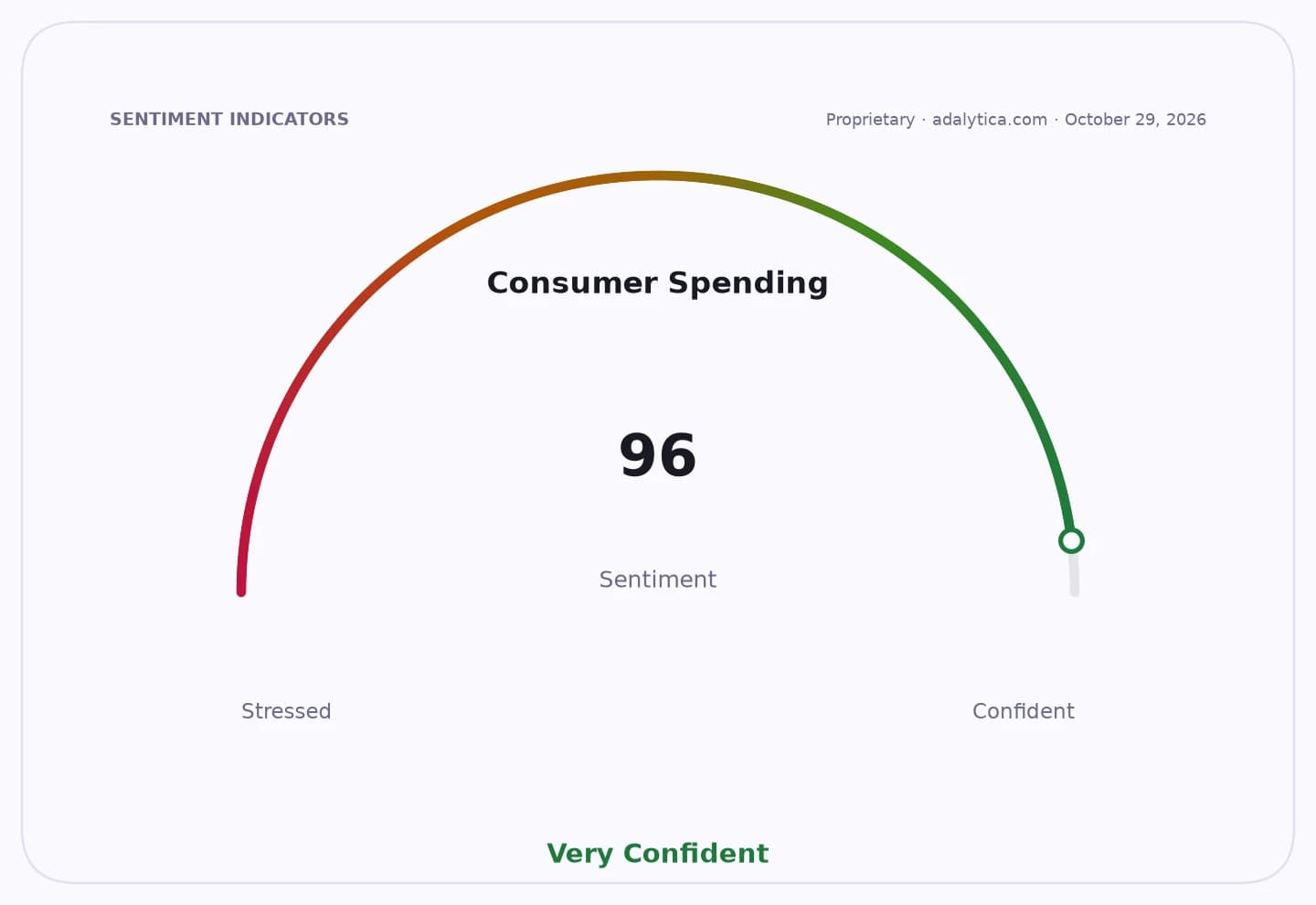
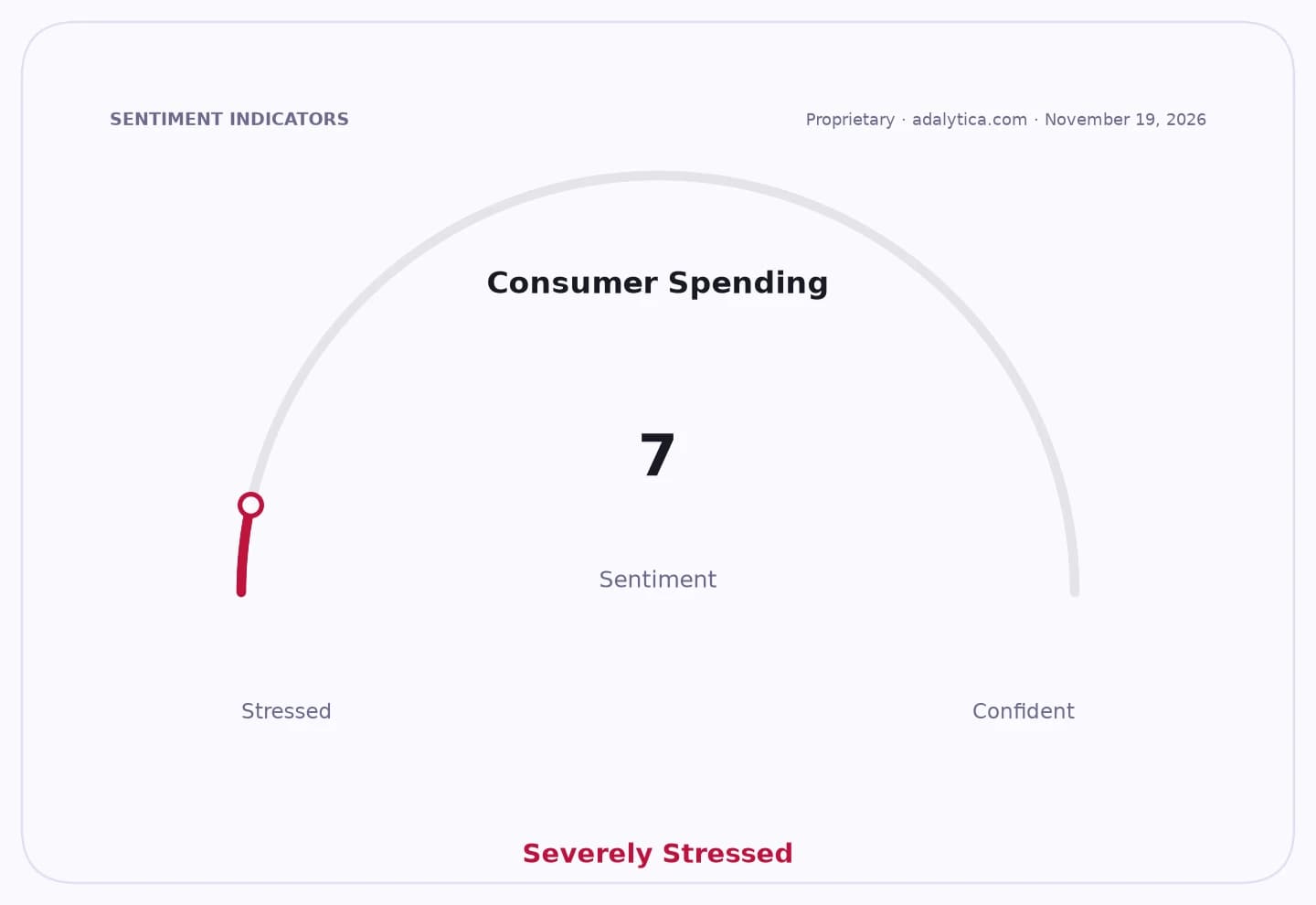
Sentiment Indicators
Most large chains are sticking to early Friday openings rather than the Thanksgiving Thursday launches that were common before the pandemic. Walmart will operate normal hours, generally 6 a.m. to 11 p.m., while Target opens at 6 a.m. Best Buy, Dick’s Sporting Goods and Macy’s also open at 6 a.m., Kohl’s opens at 5 a.m. and JCPenney at 5 a.m. Some stores, including Walgreens, Dollar Tree and Dollar General, will open on Thanksgiving, while grocery chains such as Kroger and Albertsons are offering limited holiday hours.
The retail strategy reflects a broader shift in how stores manage staffing, inventory and margin pressure. Opening on Thanksgiving no longer carries the same competitive edge it once did, especially when consumers have been spreading purchases across October and November. For retailers, that reduces the need for overnight labor and keeps the emphasis on a shorter, more focused Black Friday window, when traffic is still expected to be heavy even if the weekend overall is quieter than in past years.
The National Retail Federation said 2024 Black Friday was the busiest in five years, drawing 80.3 million in-person shoppers, but this year’s Thanksgiving weekend is expected to be the quietest since 2023, with 183 million people shopping online, in stores or both. That suggests demand remains substantial, but more fragmented. Shoppers are still hunting for value, yet they are doing so earlier and across more channels, which favors chains with scale, inventory depth and omnichannel logistics.
That is why the day still matters for investors. Walmart and Target remain bellwethers for consumer spending, and their opening hours are more than a scheduling detail: they are a marker of how aggressively each chain is trying to protect traffic and conversion during the most important retail weekend of the year. Walmart’s shares have been resilient into the season, while Target has seen sharper swings, reflecting the market’s view that the discount leader is better positioned to absorb value-seeking shoppers. Amazon also remains central to the holiday battle even as the company’s recent share pullback shows investors are sensitive to margin and demand trends heading into peak season.
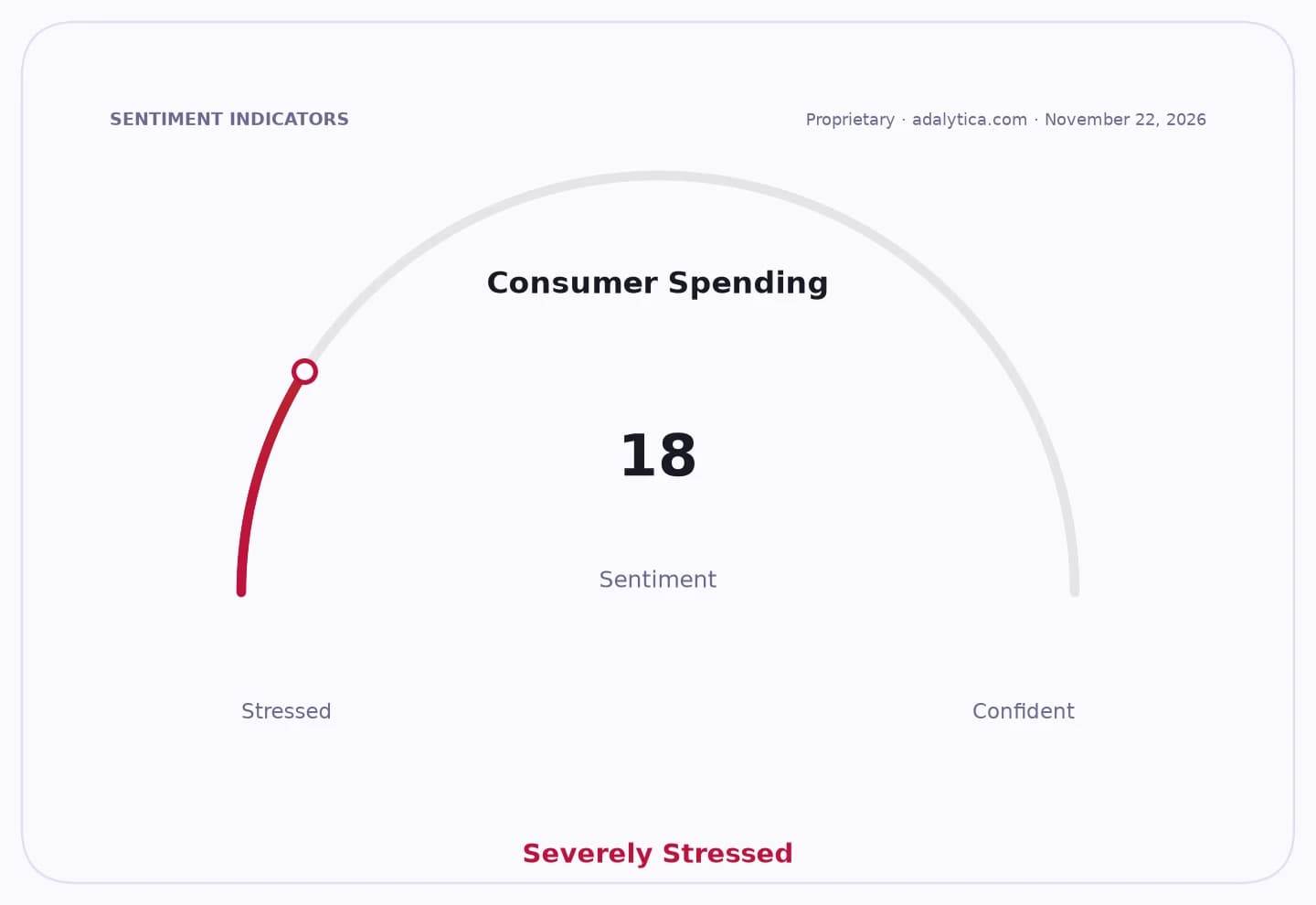
The broader macro backdrop is mixed. Consumer sentiment remains weak by historical standards, with the University of Michigan index forecast near 47.5 for November, while consumer prices continue to edge higher. That combination supports the case for deal-focused shopping and helps explain why retailers are leaning into early openings, promotions and experiential draws rather than extending store hours into Thanksgiving itself.
For investors, the key question is not whether Black Friday still matters, but which retailers convert traffic into profitable sales. The winners are likely to be the chains with strong value propositions, efficient inventories and enough scale to absorb discounting without damaging margins too severely. The losers are the retailers that need deep promotions just to pull shoppers in, especially as holiday demand keeps shifting earlier and online.
| Entity | Gains | Losses |
|---|---|---|
| Walmart | ▲Early traffic capture | ▼Late demand impulse |
| Target | ▲Value-driven store visits | ▼Margin pressure from discounts |
| Amazon | ▲Holiday spend pulled online | ▼In-store exclusivity |
| Smaller retailers | ▲None | ▼Foot traffic and pricing power |