Walmart is no longer just describing where it sells products — it is laying out what kind of workforce it needs to win the next decade, and that matters because labor is the retailer’s biggest lever on both growth and margins.
Walmart Workforce Strategy Could Boost Margins
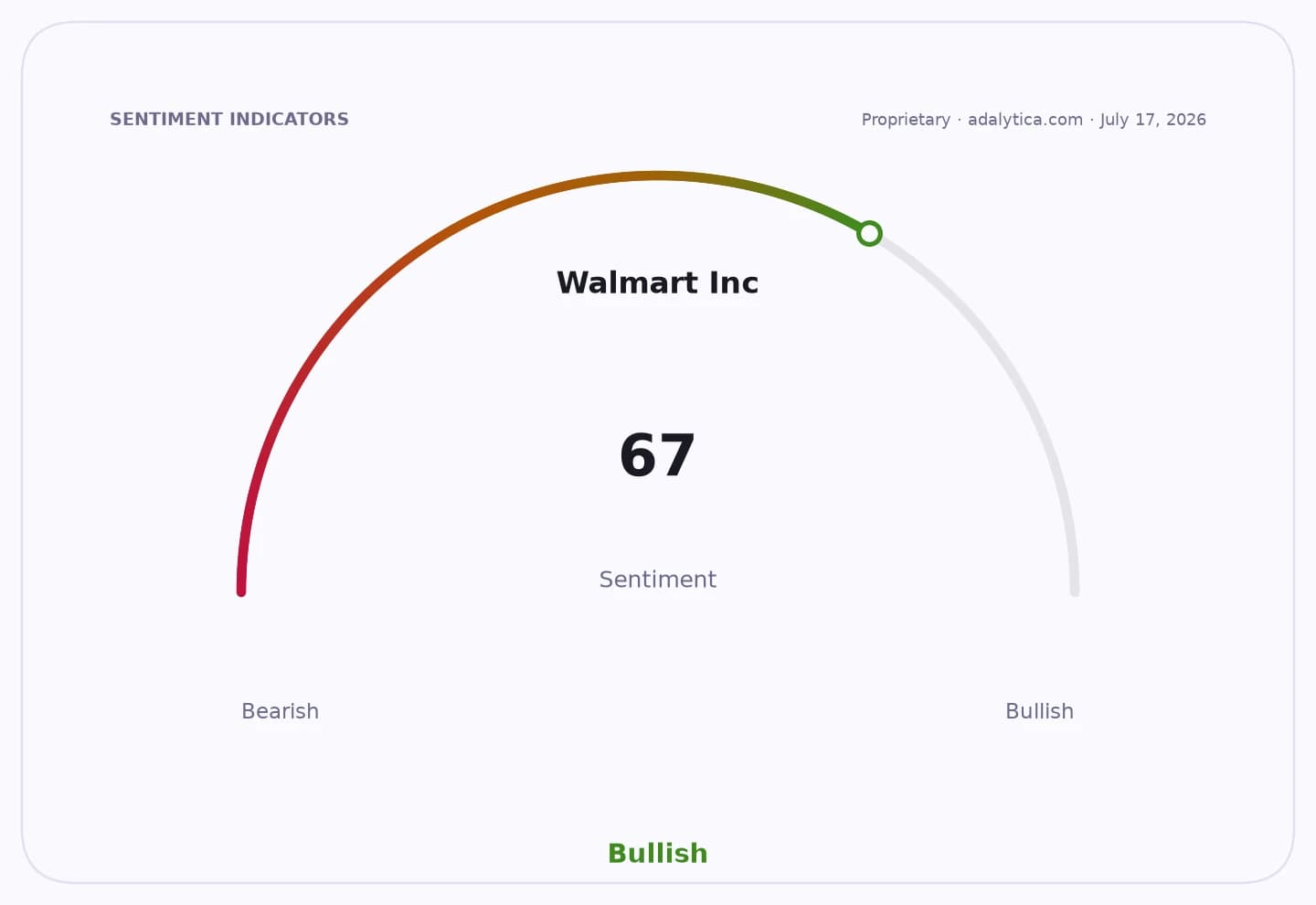
For investors, that is the real story. Walmart’s scale gives it an unusual ability to reshape store operations, logistics and digital fulfillment all at once, turning workforce planning into a competitive advantage rather than just a cost exercise. In a retail world where wages, turnover and automation can make or break profitability, the company’s future staffing model is as important as any product launch or pricing campaign.
The market is already treating Walmart like a resilient compounder. The stock has climbed back above its 50-day and 200-day moving averages, and recent trading has shown strong momentum even after some pullback from highs. That tells you investors are looking past short-term noise and focusing on Walmart’s ability to keep taking share from less efficient retailers.
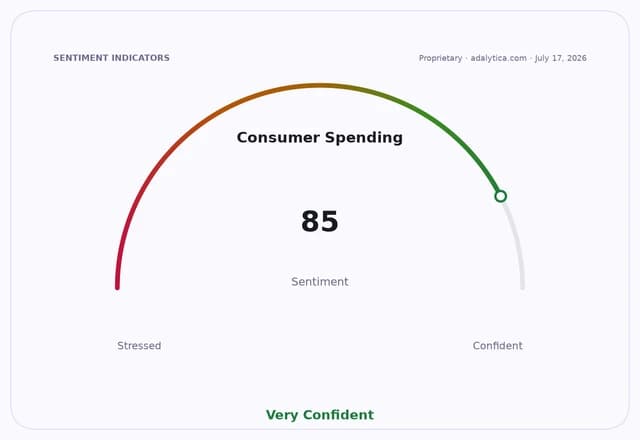
That confidence is not happening in a vacuum. Consumer spending sentiment remains elevated, and Walmart is one of the clearest beneficiaries when shoppers stay value-conscious but keep spending. As households trade down, the company can use its supply chain, store network and growing e-commerce reach to pull traffic from rivals while protecting volume. The more effectively it deploys labor across stores, clubs and fulfillment, the more it can defend margin even in a competitive environment.
This is where the workforce story becomes economically significant. Walmart has always been a labor-intensive business, but the next phase is about making each worker more productive through technology, better scheduling and tighter integration between stores and online operations. If it succeeds, the payoff is durable: lower turnover, better service, faster fulfillment and steadier free cash flow. That is exactly the kind of operating leverage long-term investors want to see in a company of Walmart’s size.
The contrast with Target helps show why this matters. Target has staged a strong rebound of its own, but Walmart’s job is different: it must keep serving a broader, more price-sensitive customer base while modernizing at massive scale. In retail, the winner is often the company that can absorb wage pressure without losing service quality. Walmart’s workforce blueprint suggests it is trying to do just that.
There are risks, of course. Any effort to redesign staffing can unsettle employees, create execution strain and invite political scrutiny around pay and automation. If productivity gains do not show up quickly enough, labor investment can weigh on earnings before it helps them. But Walmart’s long record suggests it knows how to absorb change better than most retailers.
For long-term investors, the key takeaway is simple: Walmart’s future workforce is not a side issue, it is part of the moat. The company is trying to build a retail engine that is more digital, more efficient and less dependent on brute-force labor growth. That is the kind of reinvention that can keep a mature business compounding for years, and it is worth keeping on your watchlist.
| Entity | Gains | Losses |
|---|---|---|
| Walmart | ▲Higher productivity, stronger margins | ▼Higher execution risk |
| Employees | ▲Potential upskilling and clearer roles | ▼Job redesign and automation pressure |
| Target and other rivals | ▲— | ▼Share gains harder to defend |
| Long-term shareholders | ▲More durable cash flow growth | ▼Near-term restructuring costs |