Warsaw’s most ambitious residential tower is getting a new backer, with Czech billionaire Michal Strnad’s investment group moving into a 170-meter luxury project that will cost 840 million zloty and test demand for high-end real estate in Poland’s capital.
Warsaw Roma Tower Adds Strnad Backer
The deal matters because Roma Tower is not just another upscale apartment building. It is the first residential project in Poland to win Fitwel certification and seek Breeam, placing it at the top end of a market where quality, branding and international capital increasingly matter as much as location. In a city still short of trophy-grade branded residences, the project underscores how wealthy foreign investors are seeing Poland as a place to deploy capital into hard assets with long-duration value.
Sentiment IndicatorsⓘProprietary · adalytica.com · October 7, 2026
This is a snapshot — live sentiment, awareness and momentum for 130+ markets update continuously in the dashboard.Open AlphaPulse
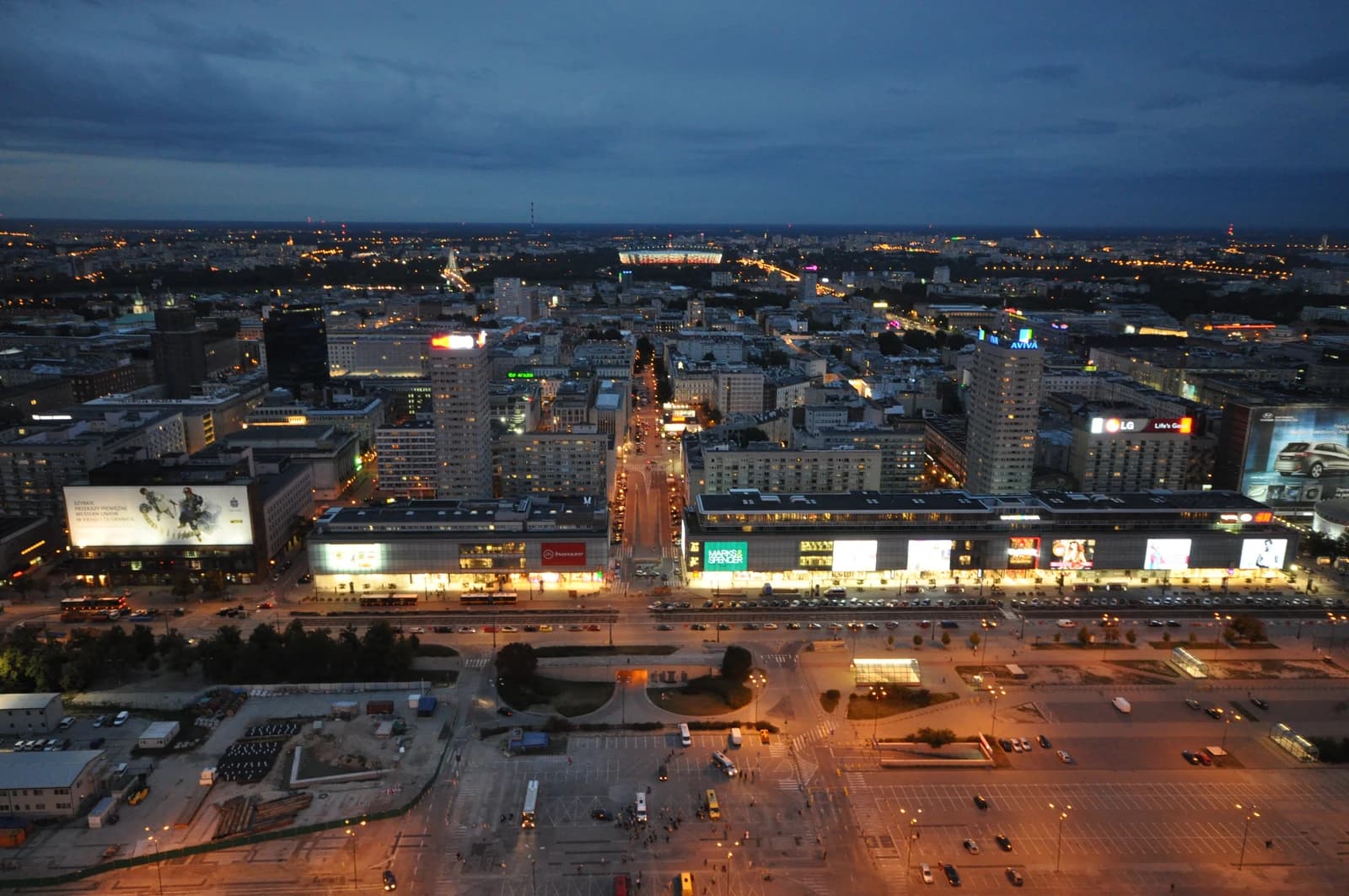
The tower will rise at the junction of Emilii Plater and Nowogrodzka, in the heart of Warsaw, and will be built as a branded residence with interiors linked to Pininfarina. Residents are to get a pool, private cinema and wellness facilities spread across two middle floors, positioning the building squarely in the ultra-prime segment rather than the broader apartment market.
Strabag and TKT Engineering will execute the work over 50 months, making Roma Tower Strabag’s largest commercial project in Poland. That scale matters for the local construction industry at a time when developers are balancing higher financing costs, still-elevated building expenses and stricter expectations from global buyers on design and environmental standards.
BBI Development remains the main investor, but the entry of Akipia, controlled by Strnad, changes the financial profile of the project. BBI’s associated company PD7 RT sold Akipia the rights and obligations in LW RT, and BBI will withdraw 24.2 million zloty from the venture as part of the arrangement. Akipia has not disclosed how much new money it will add, but the move signals that the project now has access to deeper private capital.
For investors, the broader story is the rise of Czech capital as a regional force. Strnad’s fortune, estimated at $17.1 billion by Bloomberg, is larger than the combined wealth of Poland’s 10 richest people, a striking reminder of how much financial firepower has accumulated in the Czech Republic. In practical terms, that means Polish developers may increasingly compete for foreign capital not only from Western Europe and the Gulf, but from nearby Central Europe as well.
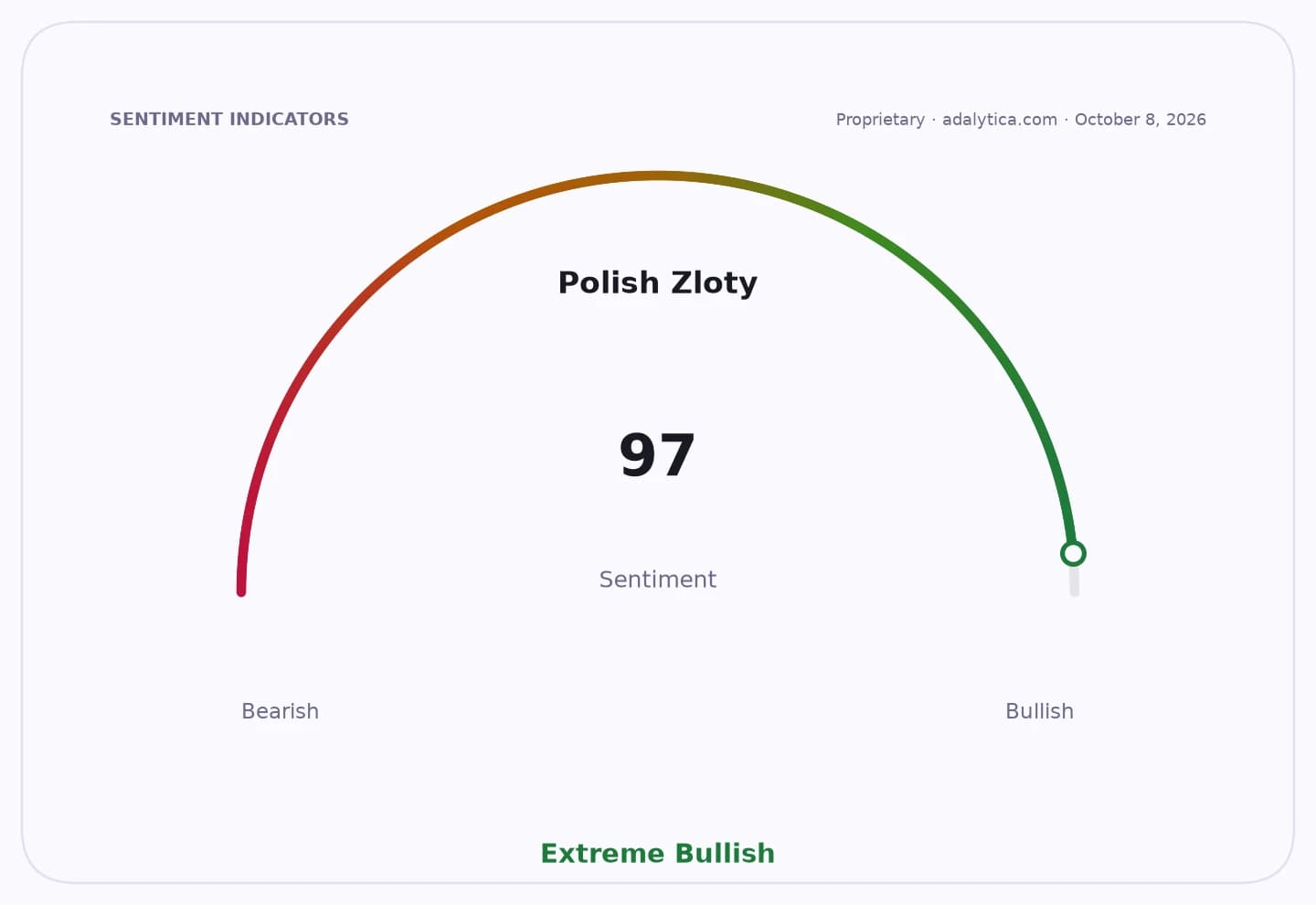
The project also comes against a backdrop of solid regional appetite for the zloty and a steadier euro, with currency indicators showing the zloty in a stronger near-term position than the euro. For property investors, that supports the case that Warsaw remains one of the more attractive capital-city markets in the region, especially for assets aimed at wealthy domestic and foreign buyers looking for inflation-resistant holdings.
The bull case is straightforward: if Warsaw continues to attract high earners, multinational executives and regional wealth, branded luxury housing could command premium pricing and strong absorption. The bear case is that an asset this expensive is exposed to shifts in financing, sentiment and demand for trophy homes, especially if Europe’s growth slows or the luxury buyer pool proves shallower than expected.
For now, Roma Tower is a signal that Warsaw’s top end of the property market is becoming more international, more branded and more capital-intensive. The key test will be whether that appetite translates into sales once the tower moves from headline project to concrete and steel.
| Entity | Gains | Losses |
|---|---|---|
| Akipia / Michal Strnad | ▲Warsaw trophy asset exposure | ▼Cash and execution risk |
| BBI Development | ▲Capital infusion | ▼Control and future upside share |
| Strabag / TKT Engineering | ▲Largest Polish commercial contract | ▼Construction delivery risk |
| Warsaw luxury buyers / city market | ▲New branded prime product | ▼Higher price benchmarks |