Washington voters have approved a ban on the sale and production of foie gras, delivering another setback to a niche luxury food industry that is increasingly being shaped by animal-welfare politics rather than consumer demand.
Washington Votes to Ban Foie Gras Sales
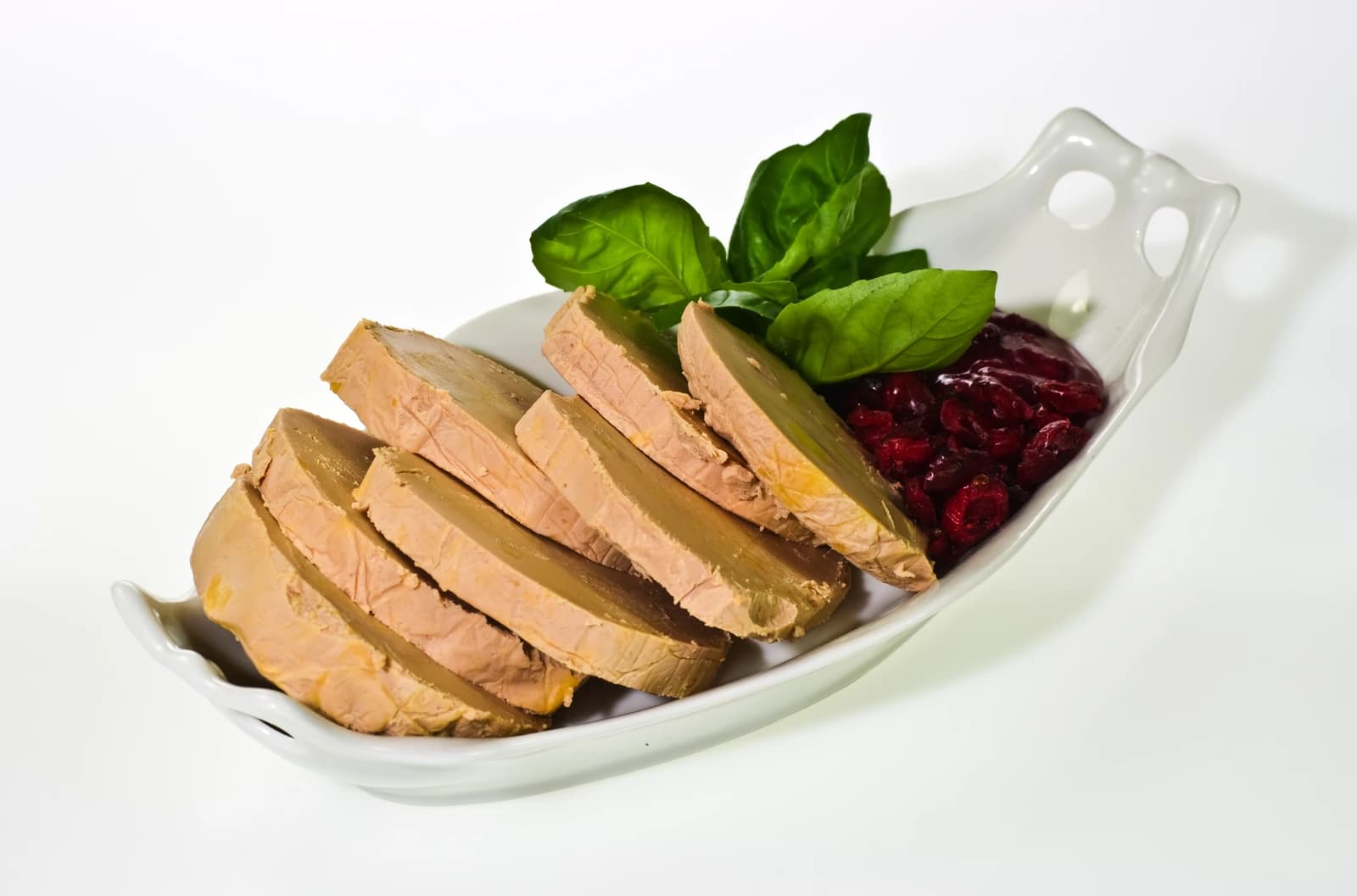
Initiative 86 passed with 73% of the vote in the midterm elections, according to the supplied reporting, and will prohibit restaurants and specialty food stores in Washington from offering the product once it takes effect in summer 2027. Violations would carry fines of $1,000 to $5,000 and could also trigger license suspensions, making the measure more than symbolic even though no foie gras farm operates in the district.
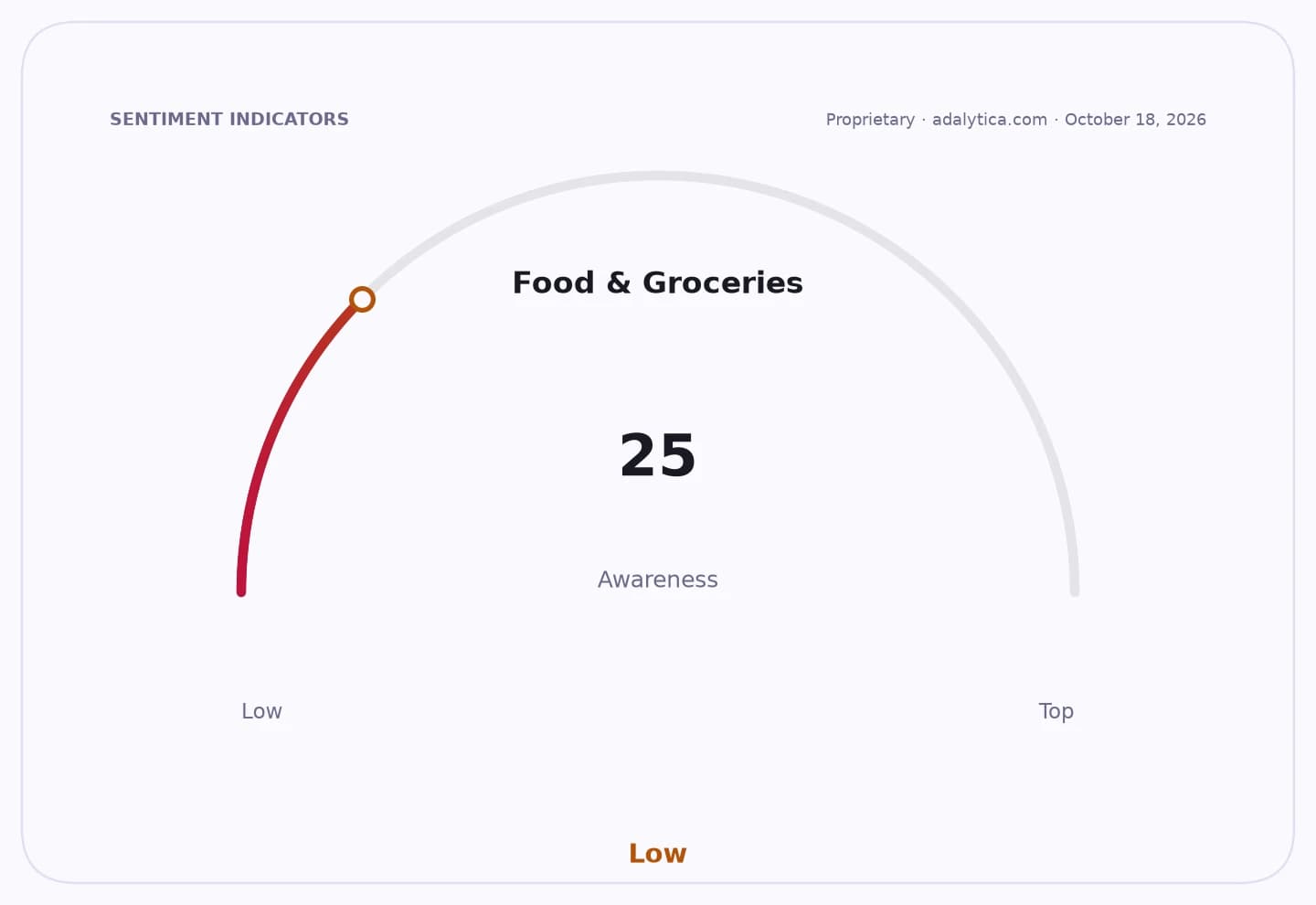
Sentiment Indicators
The economic impact in Washington itself is limited, but the policy matters because it adds to a widening patchwork of bans that constrain where foie gras can be marketed in the US. California, Pittsburgh and Portland have already barred sales, while New York City’s 2019 ban remains tied up in litigation. For producers, that means a narrower route to market and greater legal uncertainty for a product already dependent on a small number of domestic suppliers, including two major producers in New York state.
For restaurateurs, especially high-end dining rooms that use foie gras as a prestige menu item, the decision removes a premium offering that can support margins and differentiate menus. The longer lead time before enforcement gives operators some room to adapt, but it also extends the uncertainty as businesses weigh whether to substitute other luxury ingredients or challenge the law in court. Producers and restaurant groups are expected to contest the measure, which could delay implementation and keep the issue alive in the courts for years, as happened in New York.
Investor relevance is indirect but real. The ban reinforces a broader regulatory risk around food, hospitality and premium grocery channels, where local legislation can reshape product mix and compliance costs with little warning. For restaurant operators and specialty food retailers, the issue is less about lost volume than about the precedent: a successful ballot initiative can turn an ethically controversial product into a liability overnight. The broader message for the industry is that political pressure on sourcing and animal welfare is increasingly able to override niche consumer demand, even in affluent markets.
The next catalyst is legal. If producers and restaurants follow through on their planned challenge, the central question will be whether Washington’s measure survives the same kind of court scrutiny that has delayed New York’s ban. If it does, the district will become one more proof point that foie gras is moving from a gourmet staple to a regulatory risk.
| Entity | Gains | Losses |
|---|---|---|
| Animal-welfare groups | ▲Policy victory | ▼None |
| Washington voters supporting the ban | ▲Ethical food rules | ▼Access to foie gras |
| Foie gras producers | ▲Little | ▼Market access, sales |
| High-end restaurants and specialty retailers | ▲Menu flexibility | ▼Premium product, differentiation |