Webull shares slid after a House Select Committee on China said the brokerage’s ownership, engineering and data systems are tied to China in ways that create a national security risk, raising the stakes for one of the most sensitive questions in U.S. fintech: who really controls customer data and cash.
Webull Falls on House China Security Concerns
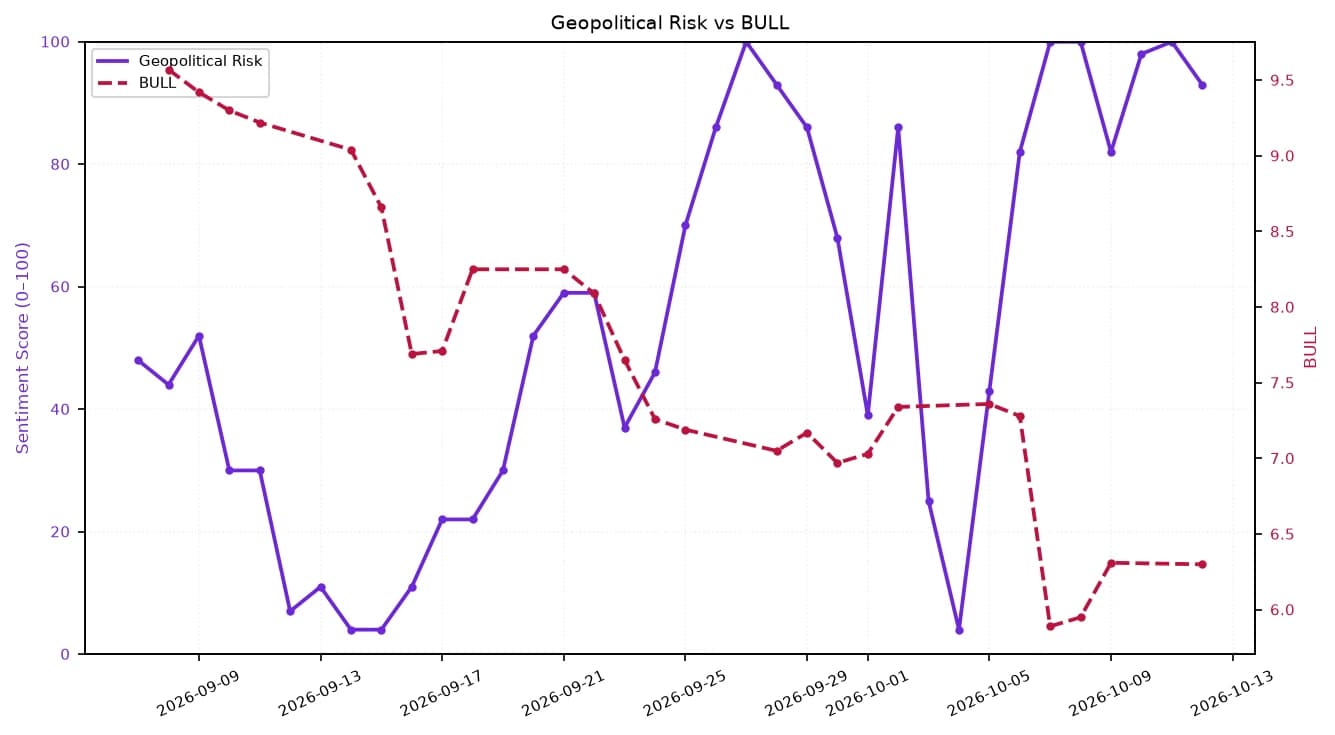
That matters because online brokers are not just trading apps anymore — they are custodians of capital, identity and transaction data. When lawmakers argue that a platform marketed as American actually routes development, compliance and infrastructure through mainland China-linked entities, the issue quickly shifts from politics to valuation. For Webull, the committee’s allegation that the company holds $24.6 billion in customer assets puts a very large pool of U.S. money at the center of the controversy.
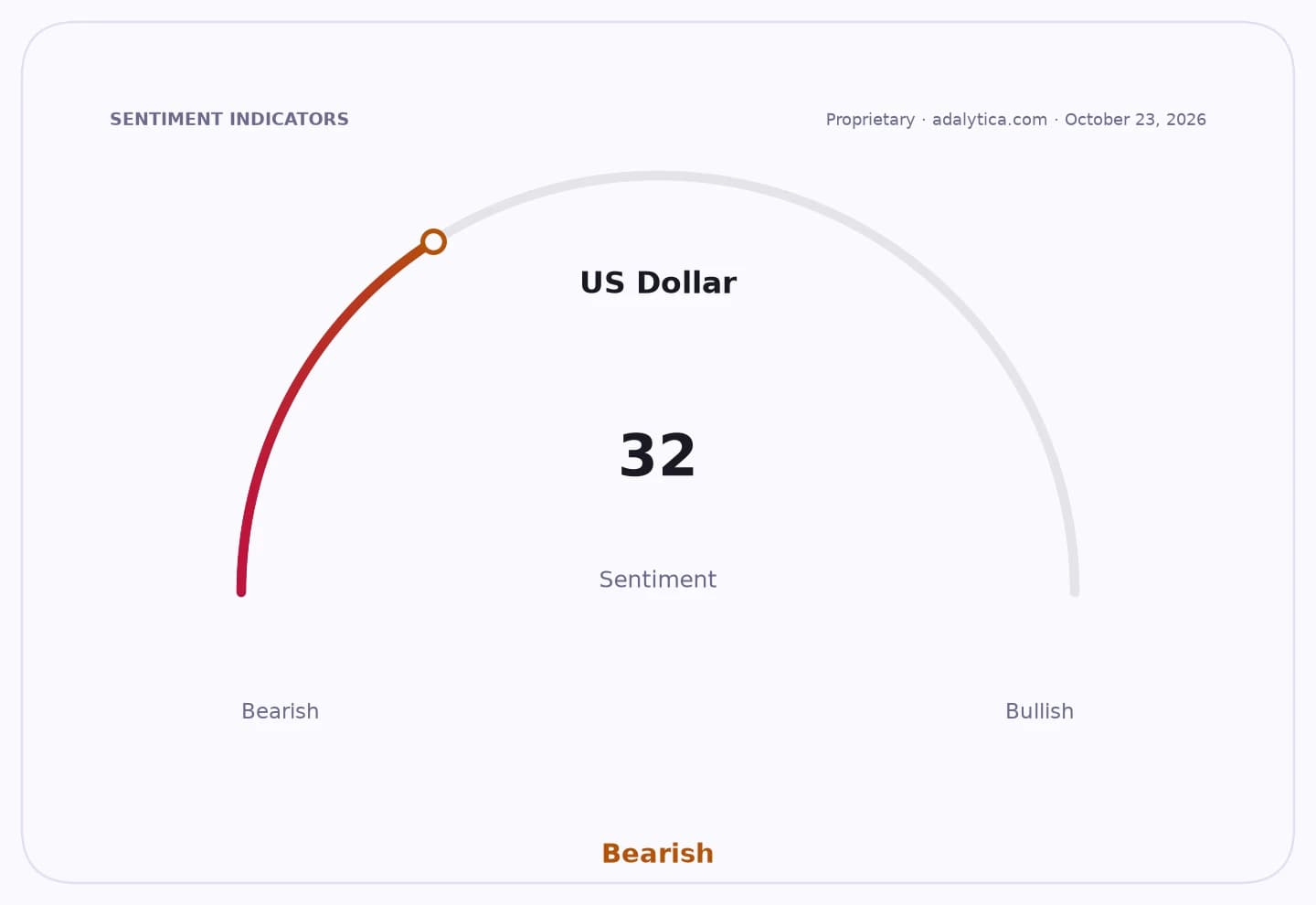
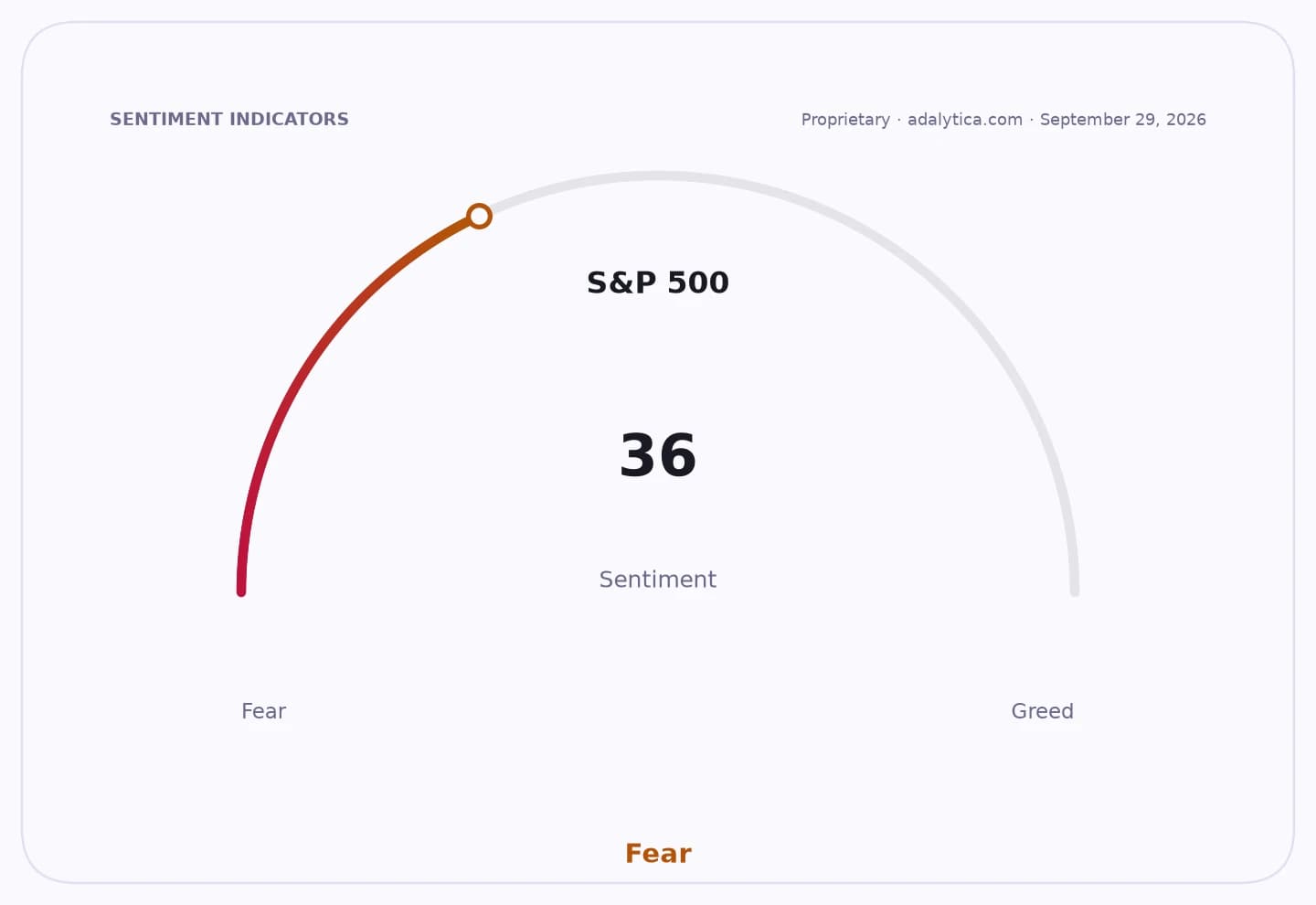
Sentiment IndicatorsⓘProprietary · adalytica.com · October 12, 2026
This is a snapshot — live sentiment, awareness and momentum for 130+ markets update continuously in the dashboard.Open AlphaPulse
The report, according to CNBC, says Webull’s China exposure runs through its ownership structure, technical workforce, cross-border data routing and platform infrastructure. It also says the company’s software development and core engineering depend on systems subject to Beijing’s laws, which could compel firms to transfer data or cooperate with the government. That is exactly the kind of uncertainty investors punish first and sort out later.
Webull shares were down 26.39% at $5.28 in Wednesday trading, a steep move that reflects more than headline risk. The stock is already far below levels seen earlier in the year, and the latest drop deepens concern that any regulatory response could hit growth, customer trust and expansion plans at the same time. In a business built on scale and low switching costs, trust is not an abstract value — it is the product.
The committee also alleged Webull misrepresented the size of its China-based workforce, saying its mainland subsidiary, Hunan Weibu, has grown to 863 employees, or 62% of the company’s global workforce. If that figure holds, it undercuts the image of Webull as a purely U.S.-run brokerage and strengthens the case for tougher oversight, possibly from Congress, regulators or even payment and custody partners that do not want to be caught in a national security fight.
For investors, the immediate question is whether this becomes a one-day de-rating event or the start of a structural overhang. If lawmakers or regulators push for more disclosures, restrictions on data handling or changes to corporate architecture, the cost of doing business rises. If clients begin to question where their cash and personal information sit, retention becomes harder. And if counterparties decide the risk is too high, the pressure on Webull’s growth model could intensify fast.
This is also part of a much bigger pattern. Washington’s scrutiny of China-linked technology, data flows and capital access is not easing; it is broadening. That has implications well beyond Webull. Any fintech, broker or platform with offshore engineering, Chinese vendors or opaque ownership will now face a higher credibility hurdle. The market is learning that in financial services, geopolitical risk can matter as much as earnings momentum.
The trade is straightforward from here: Webull must prove that its structure, data safeguards and governance can withstand congressional scrutiny, while investors should assume volatility will stay elevated until that happens. For those looking to position around the theme, the bigger opportunity may lie not in the companies under investigation, but in the domestic exchanges, custodians, cybersecurity firms and U.S.-centric brokers that benefit when capital and compliance move back onshore.
| Entity | Gains | Losses |
|---|---|---|
| Domestic brokers | ▲trust premium | ▼competition from Webull |
| Webull | ▲none | ▼stock price, credibility |
| U.S. regulators | ▲oversight leverage | ▼political blowback if risks persist |
| Cybersecurity and compliance firms | ▲demand for services | ▼low-scrutiny operating environment |