The tech sector is still making money even as share prices wobble, and that matters because the biggest risk for investors right now is not demand collapse, but whether profit margins can stay resilient while currencies move in companies’ favor.
XLK Pulls Back as Dollar Helps Tech Profits
That’s the core message coming through in the latest trading pattern for the Technology Select Sector SPDR Fund, better known as XLK, which has slipped to $180.05 after a sharp run higher earlier in the summer. The fund remains comfortably above its 200-day moving average, but the recent pullback and the drop in the relative strength index to 34.8 suggest investors are no longer paying up blindly for tech earnings. They are asking a more basic question: can profits keep compounding if revenue growth is uneven?
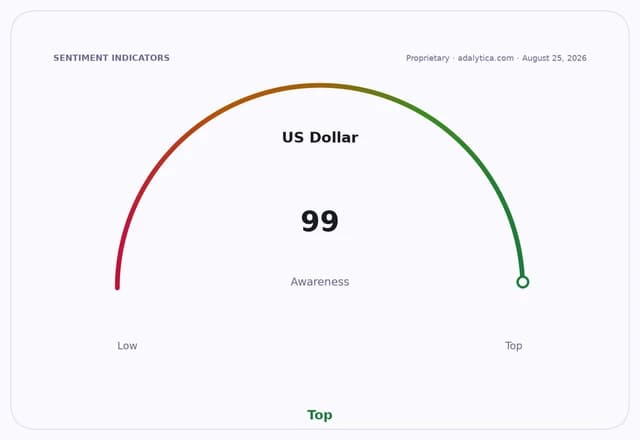
For now, the answer appears to be yes. A weaker US dollar is helping multinational software and services companies translate overseas sales into more dollars, while cost discipline is doing the rest. That combination is especially important for companies with high fixed-cost structures and heavy global exposure. When foreign exchange turns supportive, the same dollar of foreign revenue becomes more profitable. When management teams keep hiring and spending tight, that tailwind drops more directly to the bottom line.
Microsoft and Oracle show how the market is sorting winners from laggards inside the sector. Microsoft shares have rebounded to $487.31, well above both the 50-day and 200-day moving averages, after a brutal spring selloff. Oracle, by contrast, has been far more volatile and remains much weaker, even after recovering from lows earlier this year. The difference is not just sentiment. Investors are rewarding companies that can protect margins, generate free cash flow and keep pricing power intact while currency moves add a little extra lift.
US Dollar vs XLKadalytica.com
Explore this data interactively — full history, time series and cross-market comparisons.Open AlphaPulse
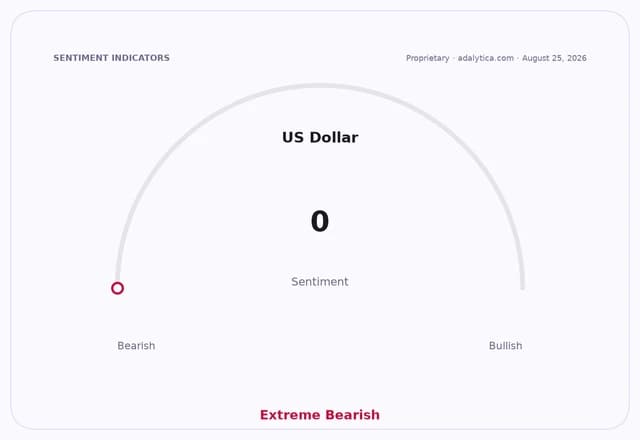
That matters beyond a single quarter because tech valuations depend on the durability of earnings, not just the pace of revenue growth. If the dollar stays soft, overseas earnings for US-listed software, cloud and infrastructure names get a translation boost. If corporate spending remains disciplined, that benefit is amplified. For long-term investors, that combination can be more powerful than headline growth, especially in a sector where the best businesses compound for years.
The risk, of course, is that currency help can reverse just as quickly as it arrives. Oracle’s own filings note that exchange-rate swings can affect customer demand, revenue and profitability, and peers across enterprise software have similar exposure. If the dollar rebounds, some of the margin support disappears. Tech stocks also remain sensitive to expectations, and the recent volatility in XLK shows investors are still willing to rotate out when profits look too easy.
But that is exactly why the current setup is worth watching. In a market obsessed with AI spending, the quieter story may be the more durable one: the companies that win are not only investing for the future, they are doing it without letting costs run wild. For investors building portfolios over three to 10 years, that is usually the kind of discipline that turns good businesses into excellent investments.
| Entity | Gains | Losses |
|---|---|---|
| Large-cap tech firms | ▲Higher translated profits | ▼Dollar-strength headwinds |
| Microsoft | ▲Margin resilience, investor confidence | ▼Less room for disappointment |
| Oracle | ▲FX tailwinds, enterprise demand | ▼Volatility, slower valuation recovery |
| Tech investors | ▲Better earnings durability | ▼Those betting on rapid multiple expansion |