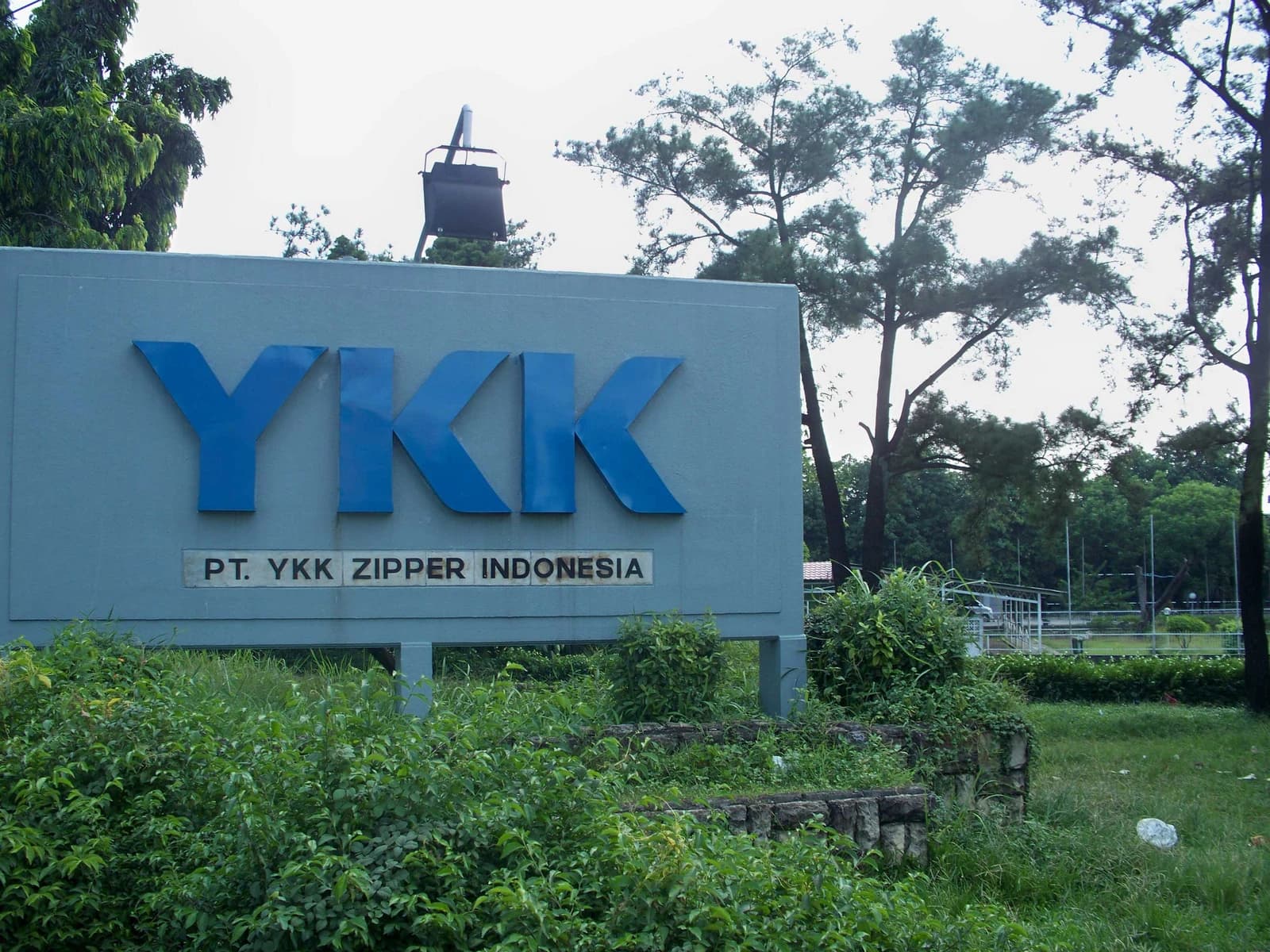
YKK is emerging as a rare bright spot in Japanese manufacturing, with its zipper business nearly doubling sales over 13 years as homegrown brands in autos and appliances struggle to hold ground against lower-cost Chinese competition.
YKK zipper sales nearly doubled over 13 years
The contrast matters because zippers are not a flashy product, but they sit inside a wide range of consumer goods, apparel and industrial products that depend on reliability, supply-chain consistency and brand trust. YKK’s performance suggests that even in a market where Japanese manufacturers are losing share in higher-profile sectors, companies with entrenched technical know-how and global production networks can still defend pricing and grow volumes.
That makes YKK more than a niche success story. For investors, it is a signal that not all Japanese industrials face the same competitive pressure from China. Businesses selling standardized hardware or low-spec finished goods are more exposed to price wars, but suppliers whose products are embedded in global manufacturing chains can retain leverage if switching costs are high and quality matters. The result is a sharper divide inside Japanese industry between firms with defensible niches and those competing mainly on cost.
The backdrop is increasingly difficult for Japan’s broader manufacturing base. Automakers and appliance makers have been forced to respond to aggressive Chinese competition in both domestic and export markets, where scale, pricing and fast product cycles have become decisive advantages. In that setting, YKK’s ability to lift sales over more than a decade points to the value of hidden industrial franchises, especially those with global customer relationships and a reputation for consistency that buyers are reluctant to disrupt.
For shareholders, the key question is whether YKK’s model can keep compounding if deflationary pricing pressure intensifies across Asia and if customer supply chains continue to shift. The bull case is that premium industrial suppliers with strong brands and international footprints can preserve margins even as cheaper rivals expand. The bear case is that, over time, price competition and shifting sourcing could erode the advantage even in categories long thought insulated.
What YKK ultimately shows is that Japan’s competitive challenge from China is real, but not uniform. In the parts of manufacturing where quality, reliability and integration matter most, incumbents still have room to grow. In the parts where product differentiation is thin, the pressure is only getting worse.
| Entity | Gains | Losses |
|---|---|---|
| YKK | ▲sales growth, pricing power | ▼low-cost rivals |
| Japanese niche suppliers | ▲defensible market share | ▼commoditized manufacturers |
| Chinese competitors | ▲market access, scale | ▼premium incumbents |
| Auto and appliance makers | ▲lower input costs if switching suppliers | ▼brand loyalty and margins |