Young viewers are quietly redrawing the entertainment map, and that is good news for Google’s YouTube, which now looks like the most important storytelling platform for the next generation.
YouTube Gains From Teens’ Storytelling Shift
A new UCLA report on teens and screens found that 72.9% of respondents aged 10 to 24 prefer YouTube for storytelling, while 64.2% singled out TikTok as the top social platform for stories. That matters because the kids who grew up on short-form video are not rejecting narrative — they are redefining it, embracing 30-second clips, creator-led franchises and even AI-assisted content as legitimate forms of storytelling. For investors, the takeaway is simple: the audience that will shape the next decade of media is already voting with its attention, and YouTube is winning.
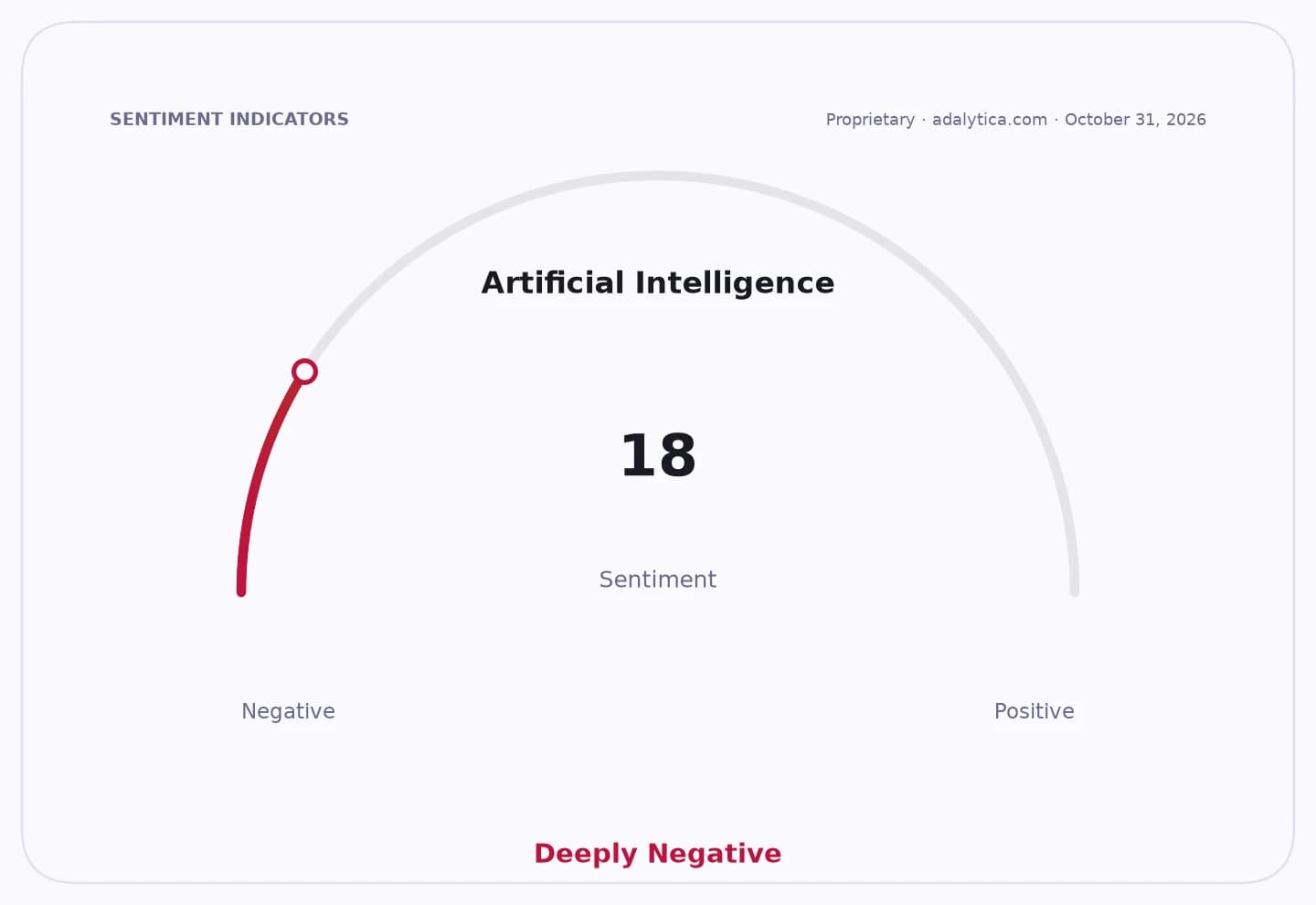
Sentiment Indicators
The shift goes beyond taste. It is changing how entertainment is made, marketed and monetized. Traditional studios still matter, but the new gatekeepers are creators, algorithms and platform ecosystems. When young audiences say they want stories that feel closer to their own lives, more hopeful, more about friendship and less about formulaic romance, they are effectively issuing a product brief to the entire media industry. That is a structural tailwind for platforms that can surface niche content at scale and let creators build communities around identity, humor and shared experience.
The report also shows why authenticity is becoming a commercial advantage. Fifty-five percent of respondents want more neurodivergent characters on screen, but only 22.7% think current portrayals usually match reality. That gap is a reminder that representation is no longer just a social issue; it is an audience-growth issue. Studios, streamers and advertisers that understand neurodiversity, LGBTQIA+ audiences and other underserved communities may gain loyalty that is harder to buy with old-school marketing.
AI adds another layer to the story. Among the teens and young adults surveyed, 28.2% said they were “fascinated” by AI and 25.6% were “enthusiastic,” even as 22% felt “condemned” and 10.1% were “afraid.” The youngest respondents were the most receptive, with 44.2% of 10- to 13-year-olds calling AI-related programming fascinating. That mix of curiosity and unease is exactly what investors should watch. The next generation is not likely to banish AI from entertainment; it is more likely to normalize it, which could accelerate adoption across editing, recommendations, script development and personalized content creation.
For Google, that is especially relevant. YouTube sits at the intersection of the report’s biggest themes: creator-led storytelling, short-form video, community discovery and AI tools. If young users increasingly discover films, shows and creators through social platforms, and if YouTube remains the first stop for storytelling, then Alphabet’s video ecosystem becomes even more strategically valuable over time. Recent technical pressure in the stock does not change that long-term picture; in fact, it may simply reflect a market focused on the next quarter rather than the next generation.
Meta also stands to benefit from the broader appetite for creator-driven, socially native content, but the report’s clearest winner is YouTube, not traditional TV or film. That is the real narrative here: entertainment is becoming more fragmented, more personal and more participatory, and the platforms that organize that chaos may compound for years.
Investors should not confuse this with a fad around short videos or AI buzzwords. The durable trend is audience control. Gen Z and Gen Alpha are telling media companies what they want, and the answer is more authentic stories, more diversity, more community and more tools that make creation easier. For long-term investors, that is worth watching closely — and for the best-positioned platforms, it may be a very powerful growth runway.
| Entity | Gains | Losses |
|---|---|---|
| YouTube/Google | ▲More creator traffic | ▼Old-media gatekeepers |
| TikTok | ▲Discovery power | ▼Linear TV habits |
| Meta | ▲Short-form demand | ▼Traditional broadcast advertising |
| Studios and streamers | ▲If they adapt to authenticity | ▼If they ignore neurodiversity and creator culture |