Young consumers in Poland are pushing back hardest against AI-generated advertising, a warning that marketers can no longer treat synthetic content as a cheap shortcut if they want to preserve conversion rates and brand trust.
Poland Survey Shows Young Consumers Resist AI Ads
That matters because advertising is now one of the clearest commercial battlegrounds for artificial intelligence. As Google expands AI-driven ad tools and brands race to cut creative costs, the Polish survey suggests the market may be underestimating consumer resistance — especially among the demographic most valuable to consumer brands over the long term.
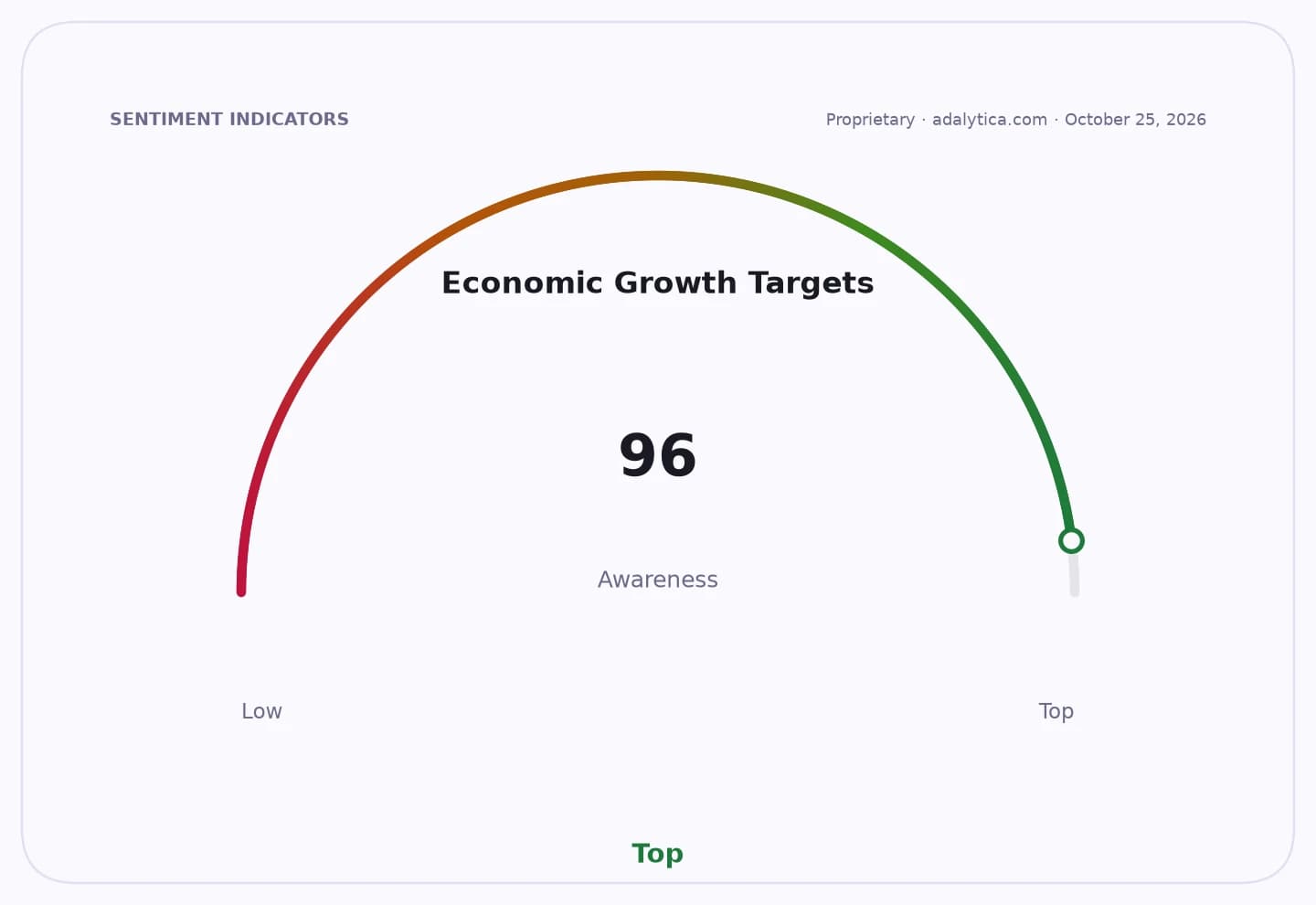
Sentiment Indicators
The study by Polish marketing agency Tears of Joy found that 73% of young respondents said disclosures that an ad was created with AI reduce trust in the brand. Among 18- to 24-year-olds, 64% said they notice those labels, while only 31% of people aged 55 to 64 did. More importantly for advertisers, 38% of younger respondents said fully AI-made ads would make them abandon a purchase.
For investors, that is not just a marketing footnote. It is a reminder that AI monetization in advertising is not a straight line from lower production costs to higher profits. If younger audiences, the core target for many consumer and digital brands, are more skeptical of synthetic imagery, then ad-tech platforms, agencies and advertisers will have to spend more on human-led creative, disclosure compliance and brand-safe tooling.
The finding also reinforces a broader tension across the AI economy: the tools are becoming cheaper and more powerful, but consumer tolerance is not automatically keeping pace. Real people, real places and real objects still matter in persuasion, and 76% of young Polish consumers said they prefer ads built around those real-world elements. The most irritating parts of AI campaigns for them were artificial-looking images, graphics and characters — exactly the kind of content many brands have used to experiment with generative tools.
That creates winners and losers. Agencies and platforms that can blend AI efficiency with authentic-looking creative should gain share. Pure-play synthetic ad formats, by contrast, risk becoming a discount product, especially in markets where regulators already require AI-produced material to be clearly labeled.
The investable takeaway is clear: the next phase of AI in advertising will reward companies that use the technology to improve workflows, not replace trust. Investors should favor the picks-and-shovels of compliant AI marketing, brand-safety software and hybrid creative platforms over businesses that assume consumers will accept fully automated persuasion without pushback.
| Entity | Gains | Losses |
|---|---|---|
| Hybrid ad platforms | ▲Lower costs with human-style output | ▼None |
| Brand-safety software makers | ▲Higher demand for disclosure tools | ▼None |
| Consumer brands | ▲Better trust from real creative | ▼Synthetic-only campaigns |
| Pure AI ad generators | ▲Faster production workflows | ▼Higher consumer skepticism |