AI companies are reaching for an old-school marketing trick: make the product feel friendly before users decide it is threatening. That matters because the biggest risk for the AI boom is no longer just model performance or chip supply — it is whether consumers and businesses trust these assistants enough to let them into everyday life.
AI firms use mascots to build user trust
OpenAI, Meta Platforms and Anthropic are now rolling out cartoon-like characters to humanize their tools, from OpenAI’s colorful agent figures with bow ties and glasses to Meta’s blushing egg-shaped Muse mascot and Anthropic’s orange pixel-art crab, Clawd. The push comes as anxiety over job losses, privacy and even existential risk remains high, giving tech companies a reason to borrow from consumer brands that have spent decades turning products into personalities.
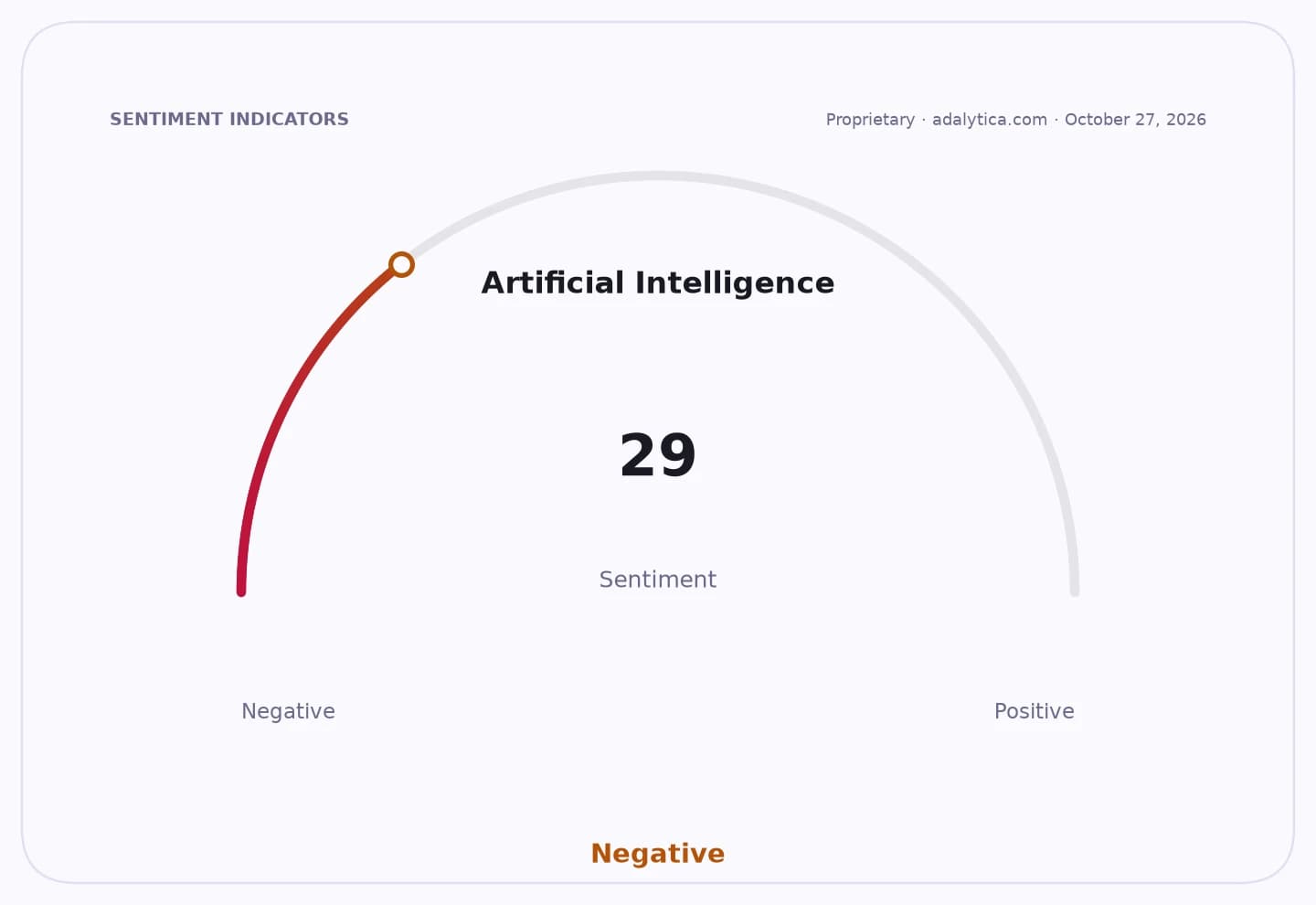
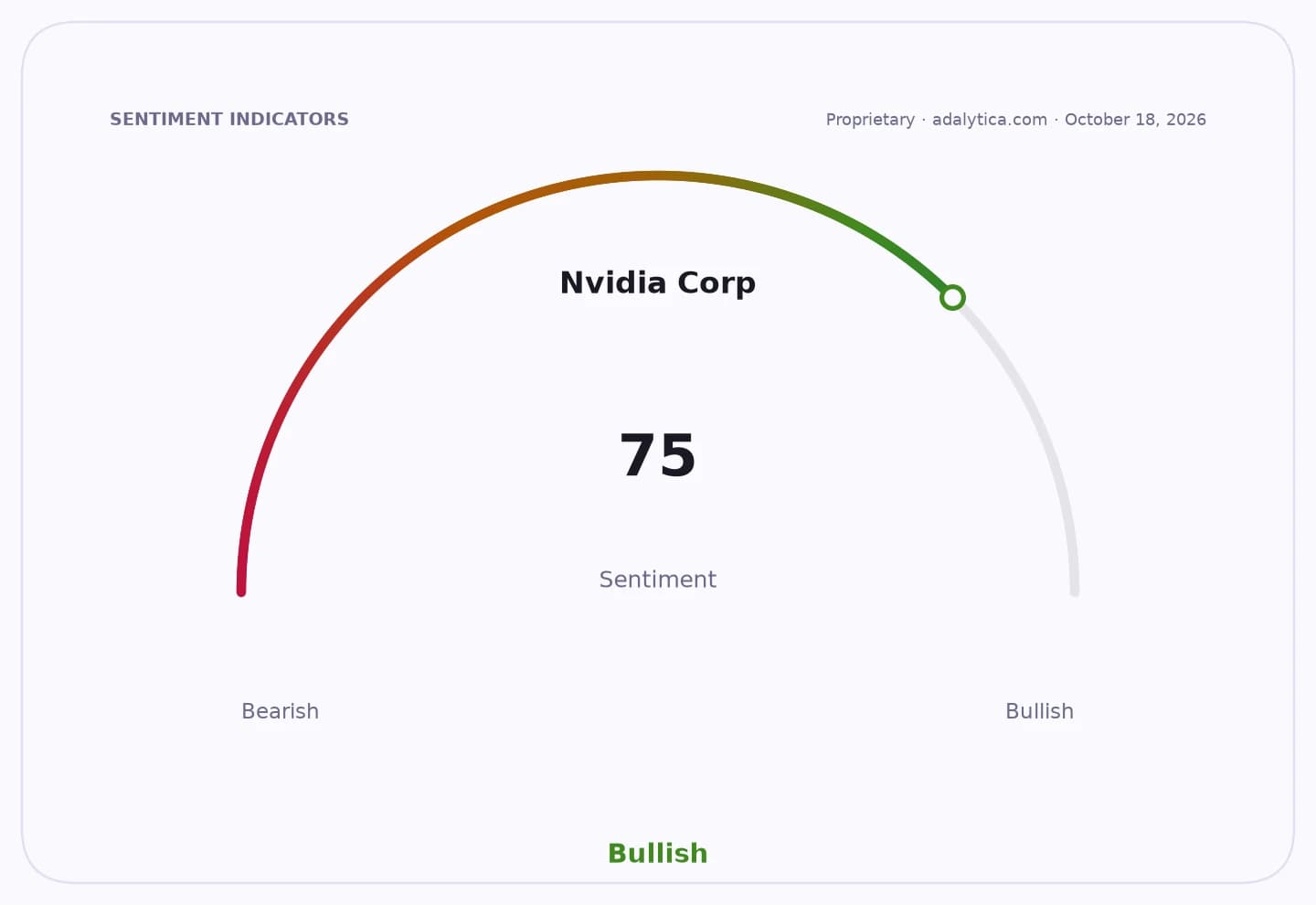
Sentiment Indicators
A Morning Consult survey for The Wall Street Journal found more than half of the 1,300 consumers polled agreed that AI threatens society’s survival, while nearly 70% said they worry it will take jobs. That is a reminder that adoption is not just a software problem. It is a psychology problem. For companies trying to monetize AI, the challenge is to persuade users that these systems are useful, safe and worth paying for.
The stakes are especially high for Microsoft and Nvidia, which have become two of the market’s main AI bellwethers. Microsoft’s shares were trading at $531.01 on Oct. 28, above both its 50-day moving average of $511.16 and 200-day average of $436.21, while Nvidia closed at $215.38, still above its 200-day average of $203.84 but below its 50-day average of $222.00. In other words, the market still believes in the AI theme, but it is also asking tougher questions about how durable that enthusiasm really is.
That is why the trust issue matters economically. If consumers are hesitant to use AI assistants, companies may need to spend more on branding, interface design and safeguards just to win attention. If businesses worry about reputation, regulation or employee resistance, AI rollouts could take longer and deliver a slower payoff than the market has priced in. Microsoft’s latest filing underscored the point, warning that AI-related missteps could bring legal, reputational and competitive harm and that maintaining customer trust is central to growth.
For investors, the message is not that AI is fading. It is that the next leg of the opportunity may be less about novelty and more about credibility. The firms that can make AI feel dependable — and visibly useful in search, coding, scheduling and customer service — are the ones most likely to turn hype into recurring revenue. The ones that cannot may still grow, but with more friction, more spending and less margin cushion.
The mascot campaign is a small detail with a big implication: the AI winners will not just be the fastest builders, but the best storytellers. For long-term investors, that makes trust, product design and brand power part of the AI trade worth watching closely.
| Entity | Gains | Losses |
|---|---|---|
| OpenAI, Meta, Anthropic | ▲friendlier user adoption | ▼fear-driven resistance |
| Microsoft, Nvidia | ▲broader AI usage if trust improves | ▼slower monetization if anxiety persists |
| Consumers and workers | ▲clearer, safer AI interfaces | ▼exposure to disruption fears |
| AI skeptics | ▲stronger calls for guardrails | ▼momentum behind easy adoption |