The federal government is more than doubling Yukon’s borrowing limit to $3 billion, giving the territory far more room to fund infrastructure and public services at a time when high interest rates make debt costlier to carry.
Yukon borrowing limit raised to $3 billion
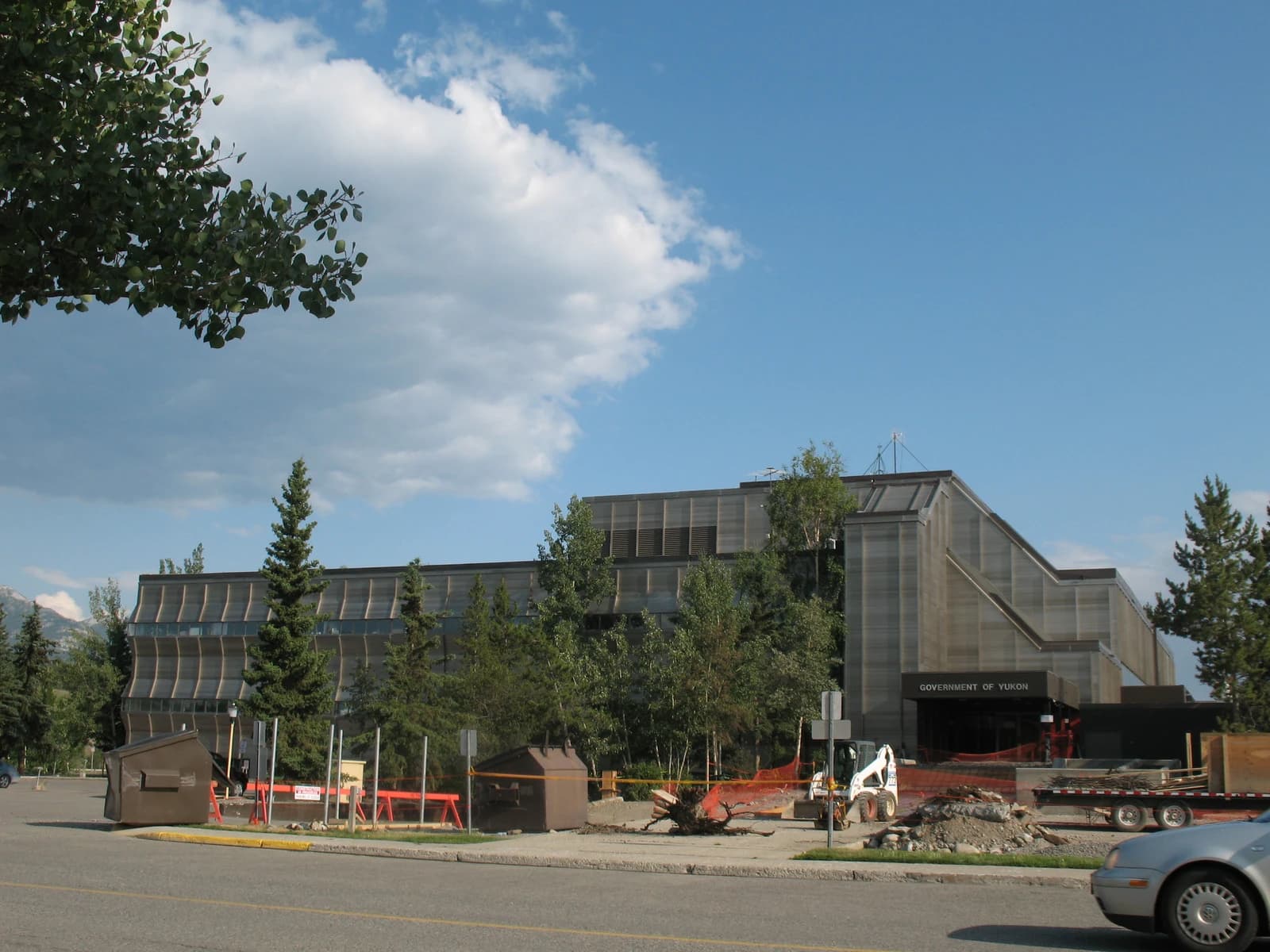
The increase matters because Yukon has been running up against a financing ceiling that constrained how much it could borrow for capital projects and day-to-day liquidity needs. Lifting the cap to $3 billion from roughly half that level gives the territorial government more flexibility to keep spending plans moving, but it also raises the stakes for debt management in a higher-rate environment.
Sentiment IndicatorsⓘProprietary · adalytica.com · October 25, 2026
This is a snapshot — live sentiment, awareness and momentum for 130+ markets update continuously in the dashboard.Open AlphaPulse
That backdrop is important for investors because the cost of government borrowing remains elevated even after the sharp easing from the Federal Reserve’s peak tightening cycle. The fed funds rate is around 3.75% now and is forecast near 3.73% next month, while the 10-year Treasury yield is above 5%, a reminder that longer-term funding costs are still restrictive for public borrowers.
The decision also fits a broader pattern of governments leaning more heavily on debt to bridge infrastructure and fiscal gaps. With GDP still expanding and financing conditions tighter than the ultra-low-rate era, borrowing capacity has become a policy tool as much as a balance-sheet issue.
For Yukon, the larger cap should support roads, housing, energy and other capital spending in a remote, expensive-to-build territory where delays can be costly. For bondholders and credit watchers, the key question is whether the territory uses the additional headroom prudently or allows debt service to consume a larger share of revenues.
The move should be read less as a sign of distress than as a practical reset of fiscal room, but it leaves Yukon more exposed if rates stay higher for longer or if project costs keep rising. Investors will be watching the territory’s borrowing pace, budget plans and Ottawa’s approach to territorial financing for clues on how quickly that new limit gets used.
| Entity | Gains | Losses |
|---|---|---|
| Yukon government | ▲More borrowing flexibility | ▼Higher debt-service exposure |
| Territorial projects | ▲Faster funding access | ▼Greater scrutiny on costs |
| Bondholders | ▲Larger supply of debt | ▼Potentially weaker credit metrics |
| Taxpayers/residents | ▲More infrastructure spending | ▼Future fiscal burden |