Abuja’s rental market is moving into the political crosshairs as Nigeria’s House of Representatives advances a bill that would cap advance rent and create a regulator to police landlord practices in the Federal Capital Territory.
Abuja rent bill caps advance rent in FCT

The Federal Capital Territory Rent Regulation and Tenants’ Protection Bill, 2026 is the clearest sign yet that lawmakers are trying to respond to a housing squeeze that has become economically and socially disruptive in the capital. By barring landlords, agents and property managers from demanding more than 12 months’ rent upfront and banning workarounds such as compulsory service charges or artificial renewals, the proposal would directly hit a business model that has forced many households to lock up large sums of cash just to secure accommodation.

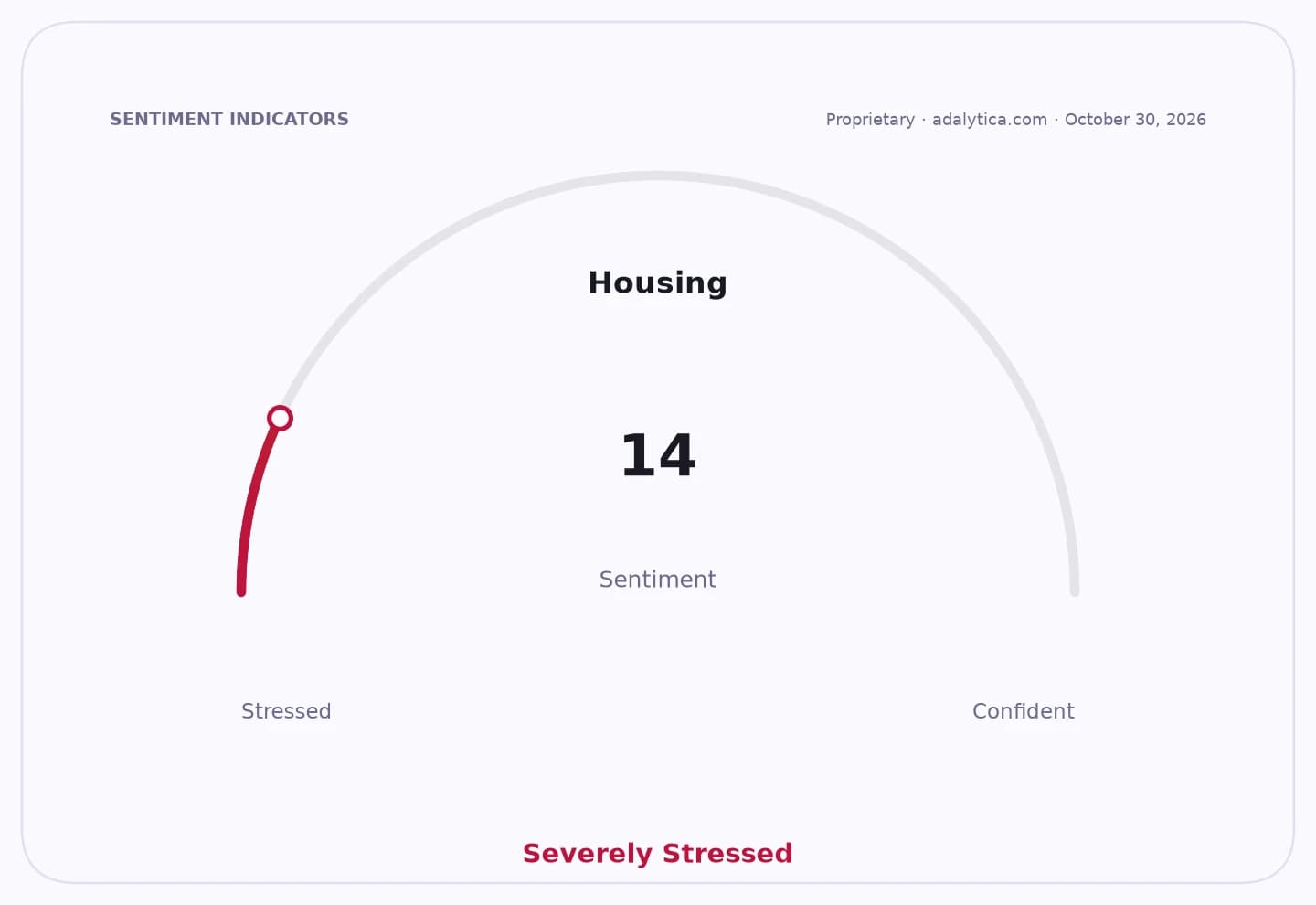
That matters because Abuja’s rent inflation is not a narrow consumer issue. The city is already said to account for at least 10% of Nigeria’s 17 million housing deficit, and experts warn the national shortfall could widen to 22 million by 2030. High upfront rents can depress labour mobility, push middle- and lower-income residents toward informal settlements, and leave formally built homes vacant in high-end districts because they are priced beyond what average tenants can afford. In that sense, the bill is as much about unlocking inefficient housing supply as it is about tenant protection.
For investors, the measure raises questions about the economics of residential property in the FCT. A tighter rental regime could curb pricing power for landlords and agents, particularly in the premium Abuja neighbourhoods that have benefited from scarce supply and administrative opacity. But it could also improve occupancy, reduce dispute risk and make the market more transparent over time. For developers, the key issue is whether a more regulated framework will support more stable rental cash flows or compress headline yields if annual rent increases are capped more tightly in future.
The proposed authority would give tenants something they have largely lacked: a formal channel to challenge illegal rental demands and seek refunds within 30 days. That is significant in a market where disputes are often handled through private negotiation or the courts, both slow and costly. The bill also forces written tenancy agreements at the start of a lease, which could improve documentation, reduce fraud and make enforcement easier for both sides.
The move builds on a motion the House adopted in October 2025 urging government to consider capping annual rent rises at no more than 20%, reflecting a broader policy shift toward intervention in Nigeria’s rental market. Housing advocates and policy groups have argued that Abuja’s weak tenancy framework has enabled excessive advance rent demands and exploitative practices, and the new bill shows lawmakers are now moving from rhetoric to legislation.
Still, the bill would need to survive the legislative process and, if passed, prove enforceable in a market shaped by weak supply, rising living costs and entrenched landlord behaviour. For tenants, it offers relief in principle. For property owners and investors, it introduces regulatory risk that could reshape pricing, payment terms and dispute resolution in Nigeria’s capital if the law is enacted.
| Entity | Gains | Losses |
|---|---|---|
| Tenants in Abuja | ▲Lower upfront costs | ▼Fewer cash-heavy lease terms |
| Landlords and agents | ▲More clarity if rules stabilize the market | ▼Reduced pricing power |
| Abuja housing market | ▲Better transparency and occupancy | ▼Higher compliance burden |
| Regulators and lawmakers | ▲Stronger enforcement role | ▼Pressure to prove delivery |