Nigeria’s housing shortage is drawing another public-private response, and this one is aimed squarely at a critical workforce: police officers.
Nigeria Police Housing Estate Breaks Ground in Masaka
Family Homes Funds Limited and the Nigeria Police Trust Fund have broken ground on a 257-unit affordable housing estate in Masaka, Nasarawa State, a project that goes beyond welfare messaging and speaks to a bigger economic reality — Nigeria cannot close its housing deficit without institutional capital, mortgage finance and targeted delivery models for lower- and middle-income earners.
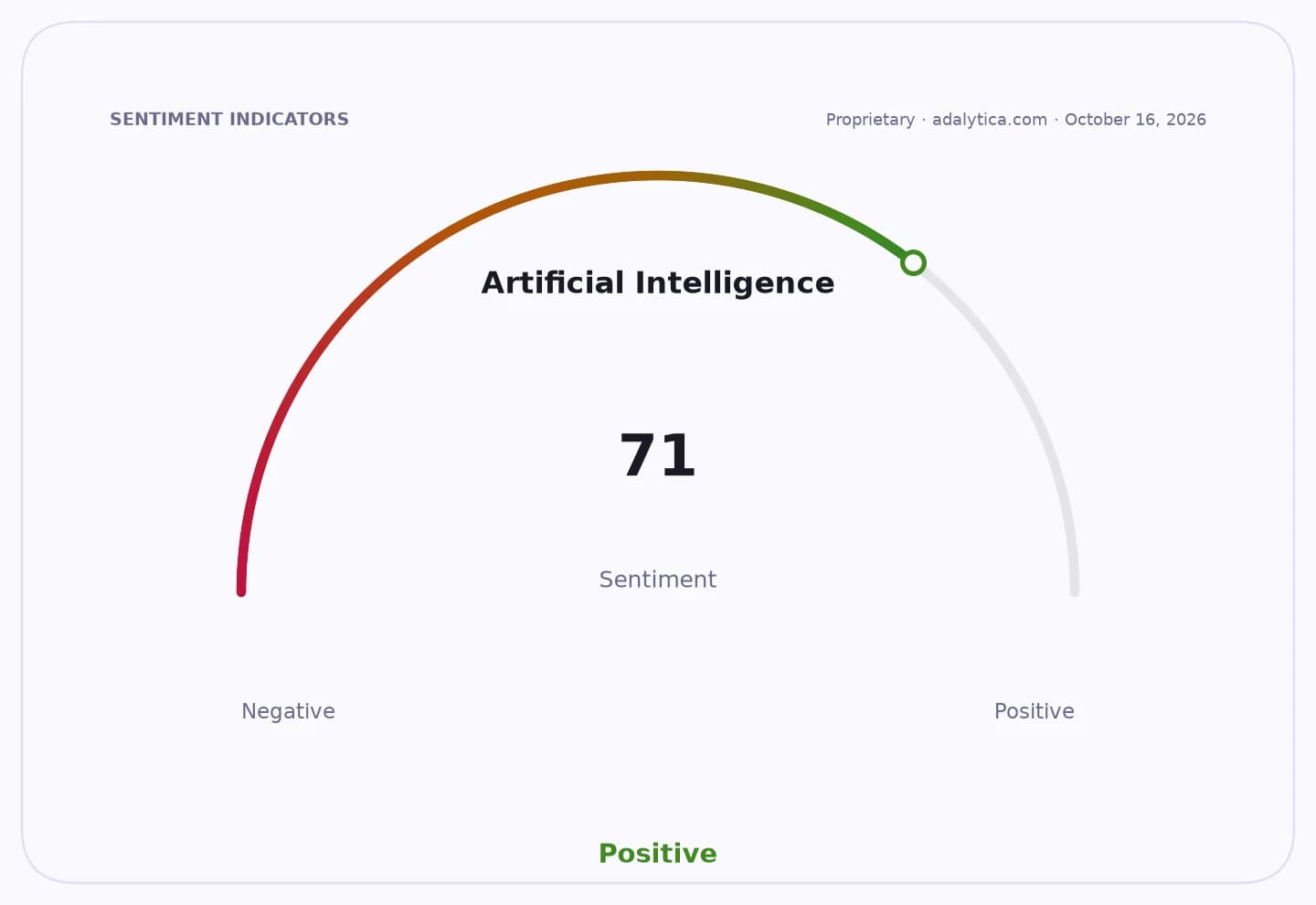
Sentiment IndicatorsⓘProprietary · adalytica.com · October 16, 2026
This is a snapshot — live sentiment, awareness and momentum for 130+ markets update continuously in the dashboard.Open AlphaPulse
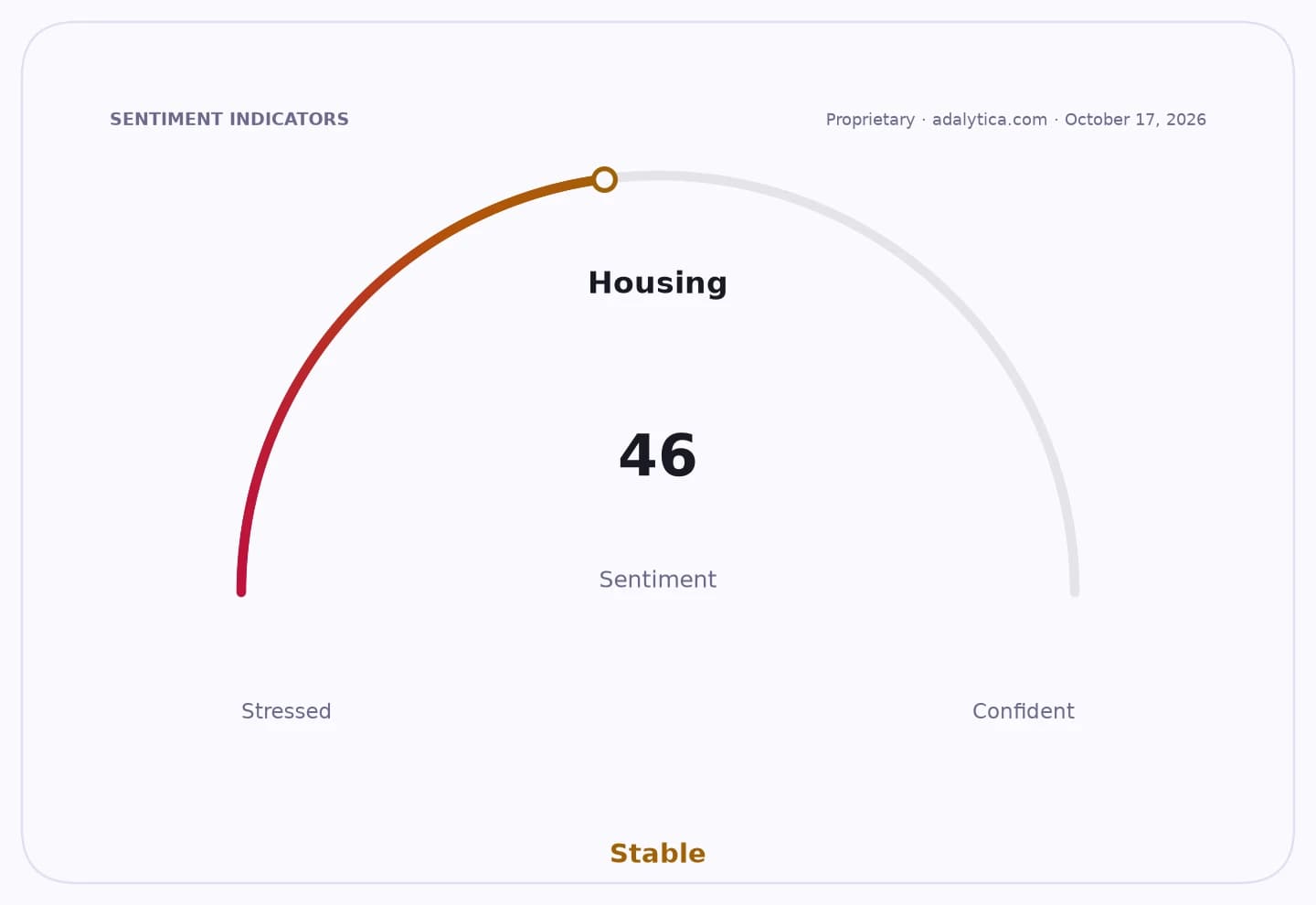
That matters because housing is not just a social issue in Nigeria; it is a productivity issue, a financing issue and, increasingly, a state-capacity issue. The police force is one of the country’s most visible public-sector employers, and giving officers access to decent homes can help retention, morale and stability in a security environment that remains under pressure. For the broader economy, every housing estate that gets financed and built also feeds construction jobs, materials demand, transport activity and mortgage-market deepening.
The Masaka project is structured as more than a simple buildout. FHFL will oversee construction, the Nigeria Police Trust Fund will provide infrastructure, Bricks International Concepts will develop the homes and FAM Property Development and Investment will handle infrastructure works. The estate will consist of two- and three-bedroom units and is expected to be completed in nine months, a timeline that suggests the partners are aiming for speed and repeatability rather than a one-off showcase.
Just as important is the financing angle. FHFL says it will work with primary mortgage lenders to give eligible police officers affordable mortgage options, allowing buyers to spread payments over time. In a market where affordability is one of the biggest barriers to ownership, the real prize is not merely breaking ground — it is creating a template that can be replicated across agencies and states.
The partners are already signaling that this is the start of a wider rollout. Phase 1 of the programme includes Ogun and Kaduna, with more locations planned across Nigeria’s geopolitical zones. That is the key investment story here: if this model scales, it becomes a small but meaningful channel for housing demand, mortgage origination and construction activity in a market where formal, affordable supply remains scarce.
For investors, the implications are straightforward. Housing finance institutions, mortgage lenders, developers and building-material suppliers stand to benefit if Nigeria continues shifting toward structured, employer-linked housing delivery. The more public-sector funds are blended with private-sector execution, the more the market can absorb demand that has long been trapped by incomes, financing gaps and weak supply.
Our thesis is simple: Nigeria’s affordable-housing push is moving from policy rhetoric to bankable pipeline, and that creates opportunity in the ecosystem around it. The challenge now is execution — timely delivery, affordable mortgage access and the ability to replicate the model without ballooning costs. If FHFL and the Nigeria Police Trust Fund can do that, the Masaka estate could become a blueprint, not just a headline.
| Entity | Gains | Losses |
|---|---|---|
| FHFL | ▲Mandate expansion | ▼Delivery risk |
| Nigeria Police Trust Fund | ▲Officer welfare gains | ▼Capital commitment |
| Police officers and families | ▲Affordable home access | ▼Wait for completion |
| Mortgage lenders and developers | ▲New pipeline | ▼Thin margins if costs rise |