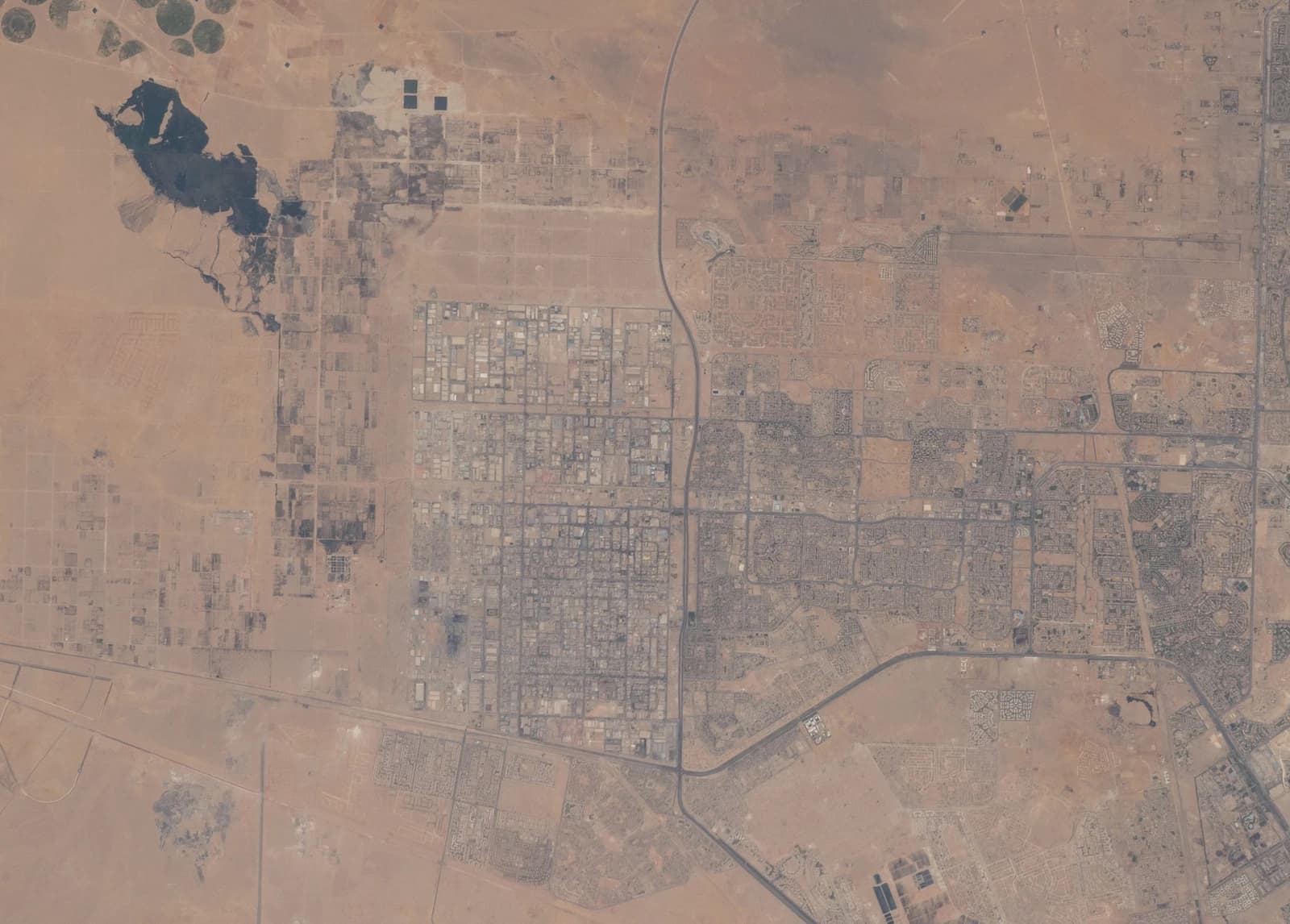
Egypt’s housing minister is accelerating infrastructure and service upgrades in Shorouk City as the government pushes to open up a 1,000-feddan western extension while clawing back state land and tightening control over illegal activity.
Egypt Shorouk City Expands Taiba District Infrastructure
The follow-up matters economically because Shorouk is moving from a maintenance story to a growth story: roads, water, sewer and power lines are being laid to unlock the “Taiba” district, a strategic tract on Cairo’s eastern edge with direct access to the Cairo-Suez road and the ring road. For Egypt’s urban development agenda, that means more developable land, faster absorption of housing supply and a cleaner pipeline for private investment into a fast-growing suburban market.
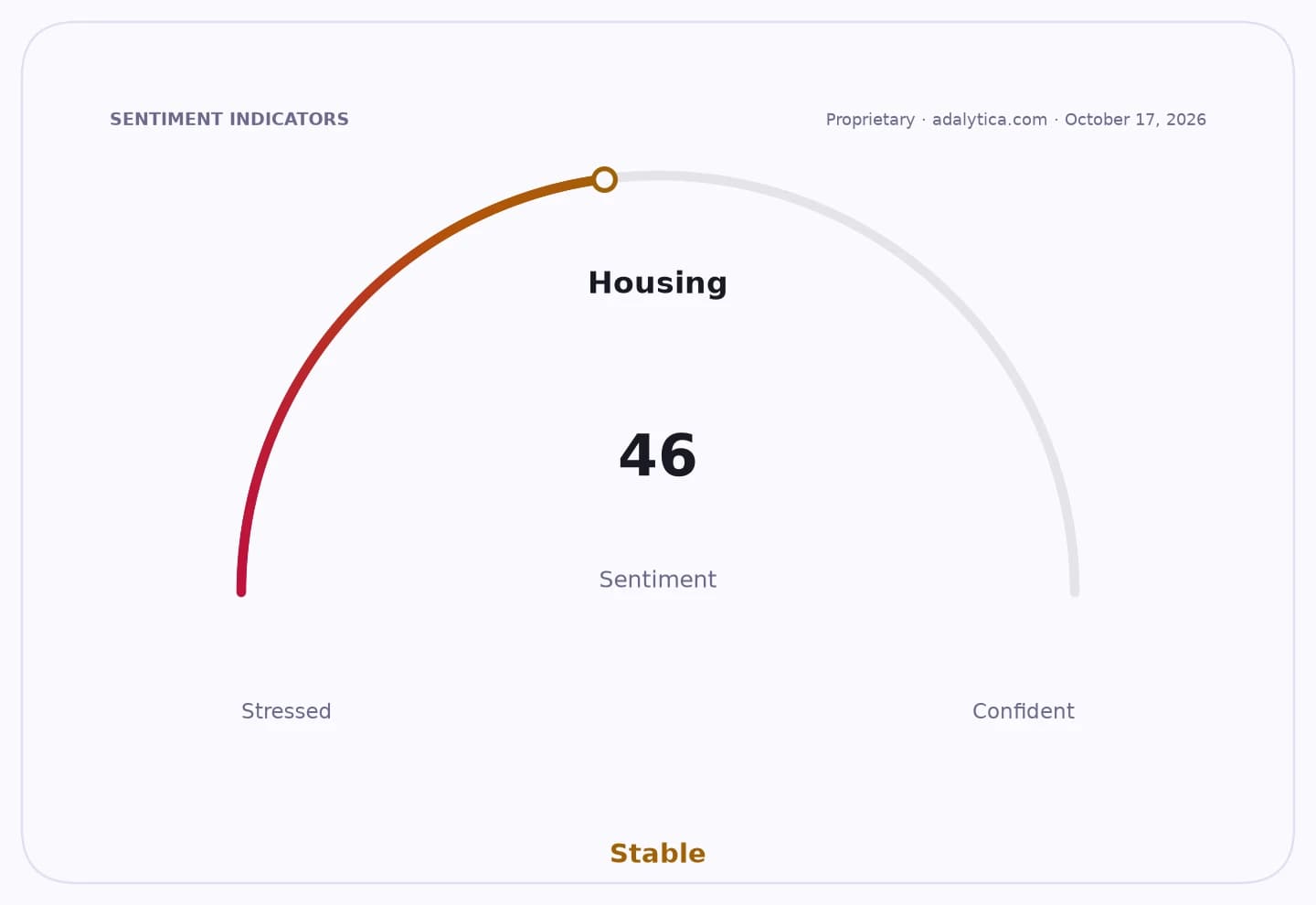
Sentiment IndicatorsⓘProprietary · adalytica.com · October 17, 2026
This is a snapshot — live sentiment, awareness and momentum for 130+ markets update continuously in the dashboard.Open AlphaPulse
The ministry said work is under way on road opening and site preparation in Taiba ahead of utilities installation, alongside a new technology center for residents in the city’s added districts. The center will have 20 service counters, dedicated waiting areas and facilities for people with disabilities and the elderly, part of a broader shift toward digitized public services and shorter transaction times.
Officials also outlined plans to turn the central median on the Middle Axis into “Shorouk Boulevard,” a landscaped promenade with pedestrian paths, a bicycle lane, canopies and seating areas. The project is meant to upgrade the city’s image, but it also signals a bid by the state to make new suburbs more attractive to buyers, tenants and developers at a time when housing demand in Greater Cairo remains structurally strong.
Equally important for investors in the wider Egyptian real estate sector, the local authority said it reclaimed four state-owned land parcels totaling 110,000 square meters in Taiba after a large enforcement campaign. It also removed a wood formwork violation, seized vehicles used for digging and cleared 10 street vendors obstructing traffic, underscoring a tougher stance on encroachments that can delay permits, distort land supply and raise execution risk for developers.
The follow-through on cleaning, pest control and public-order campaigns suggests the city is trying to support occupancy and commercial activity, not just complete concrete works. For homebuilders, infrastructure completion and service delivery are the key triggers for sales and handovers; for buyers, they are the difference between a speculative plot and a livable community.
Shorouk’s push comes as housing demand indicators in the sector remain elevated even as some listed U.S. homebuilder shares have softened. The housing ETF XHB is still flashing “Extreme Greed” in Adalytica’s housing sentiment gauge, while technical readings on Lennar, D.R. Horton and PulteGroup show recent pullbacks from earlier strength, reflecting a market still balancing affordability, rates and inventory discipline.
The near-term catalyst is execution: how quickly the ministry can convert land recovery and public works into serviced plots, functioning roads and visible neighborhood upgrades. Any slippage on timelines would slow development momentum; faster completion would support land values, housing sales and the broader urban expansion strategy around east Cairo.
| Entity | Gains | Losses |
|---|---|---|
| Shorouk City residents | ▲Better services, cleaner streets | ▼Delayed completion if works slip |
| Egypt housing ministry | ▲Faster urban expansion, tighter control | ▼Higher execution pressure |
| Developers and homebuilders | ▲Serviced land, clearer pipeline | ▼Compliance and land costs |
| Illegal occupiers / violators | ▲— | ▼Land seizures, enforcement action |