Adobe has chosen Anil Chakravarthy to succeed Shantanu Narayen as chief executive, a leadership handoff that matters because the company is trying to turn its artificial intelligence strategy into faster revenue growth at a time when investors are questioning whether the software maker can defend its premium valuation.
Adobe names Anil Chakravarthy as CEO

The change takes effect Dec. 1, with Narayen moving to executive chair after more than two decades at the helm. Adobe said Chakravarthy, who currently runs its Customer Experience Orchestration business and worldwide field operations, will steer the company deeper into “agentic software” and broader AI integration across creative, productivity and marketing tools. For investors, the key issue is not succession itself but whether Adobe can use the transition to sharpen execution after a volatile stretch in the shares and a market rotation that has punished software names tied to slower subscription growth.
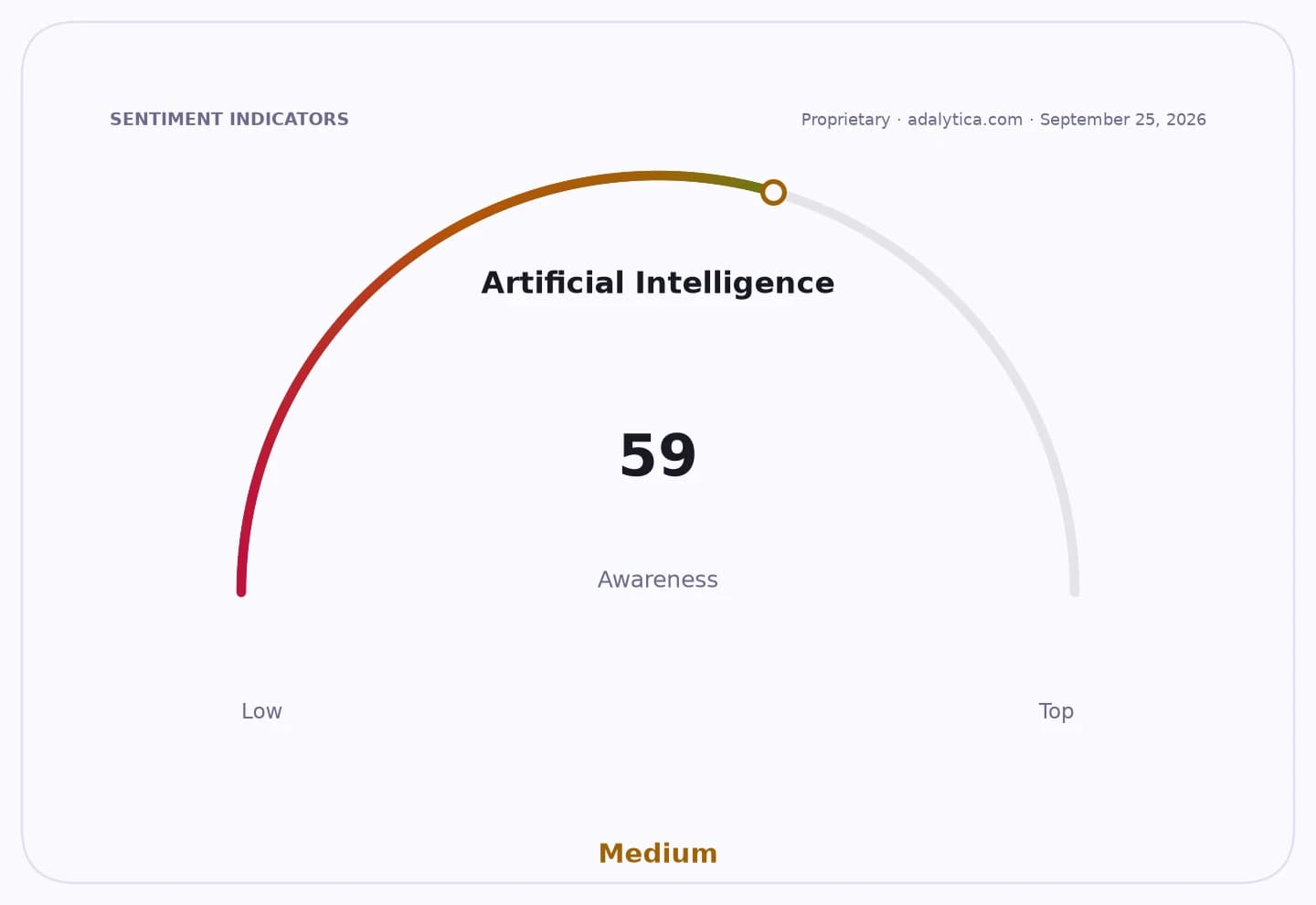
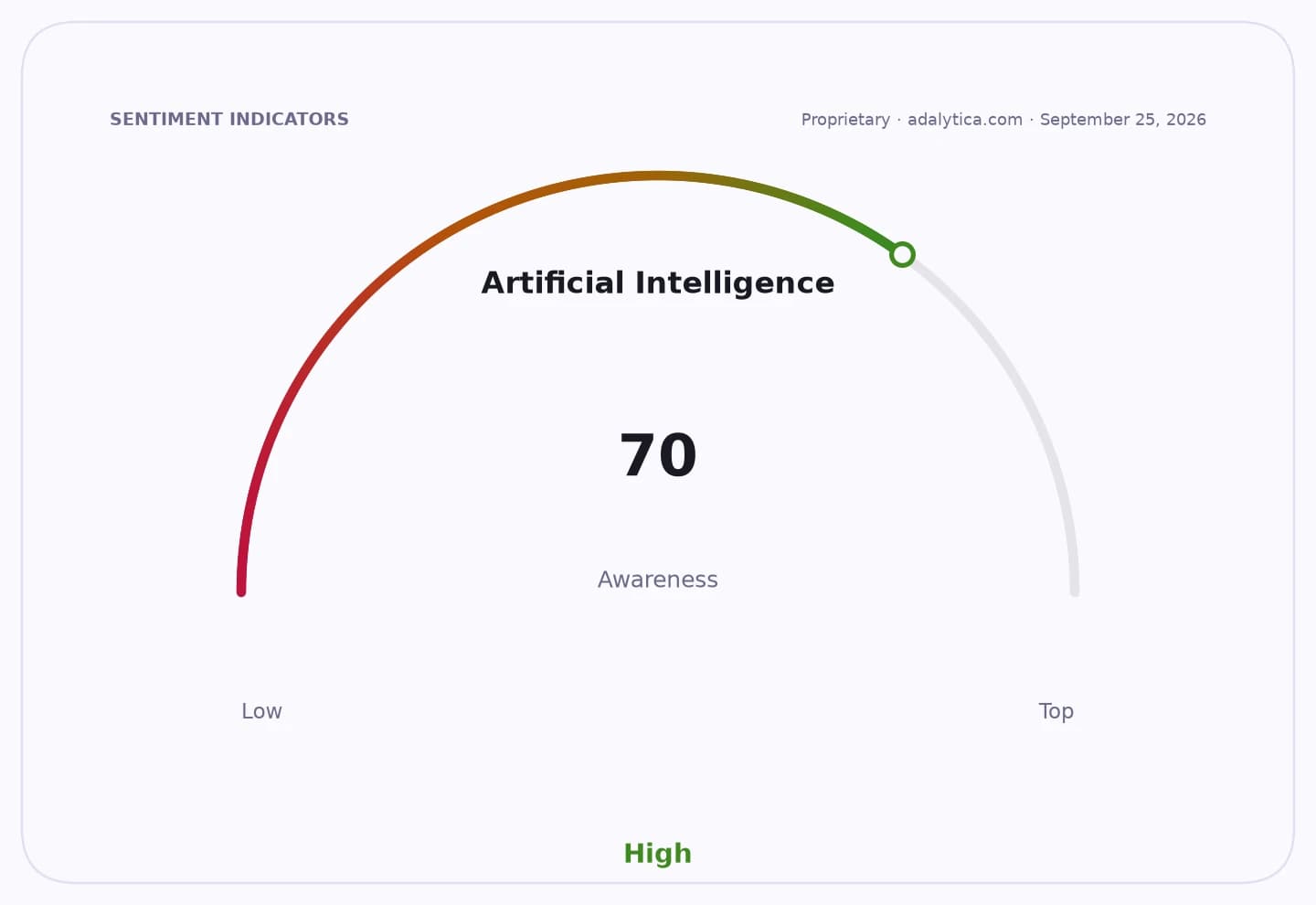
Sentiment IndicatorsⓘProprietary · adalytica.com · September 4, 2026
This is a snapshot — live sentiment, awareness and momentum for 130+ markets update continuously in the dashboard.Open AlphaPulse
Adobe’s position in the AI race has become more commercially important than rhetorically important. The company has spent the past two years embedding generative and conversational features across its product suite, including tools for designers, marketers and enterprises, while trying to preserve pricing power and limit cannibalization of core subscriptions. Chakravarthy’s background is relevant here: he built Adobe’s digital experience business, helped scale Adobe Experience Platform and oversaw integrations including Workfront and Semrush. That makes him a product-and-sales operator rather than a pure finance or engineering pick, suggesting the board wants acceleration in customer adoption and monetization, not a reset of the company’s strategy.
The timing also raises the stakes. Adobe is due to report fiscal third-quarter results on Sept. 10, giving management a near-term opportunity to show whether AI features are translating into stronger demand or simply adding cost and complexity. The stock has been under pressure this year, with recent trading well below its long-term trend even after a sharp rebound from earlier lows, a sign that investors remain cautious about growth durability. Technical readings have improved from oversold levels, but Adobe’s shares still trade below the 200-day moving average, underscoring that confidence is not yet fully restored.
That caution stands in contrast with the broader AI trade, where enthusiasm has remained concentrated in infrastructure and model providers rather than application software. Nvidia has continued to benefit from spending on AI capacity, while Microsoft’s recent trading has reflected a more mixed investor view of the profitability of that investment cycle. Adobe is trying to position itself as a beneficiary on the application layer, selling AI that helps creative professionals and enterprises produce content faster and manage customer engagement more efficiently. The bull case is that this becomes a meaningful upgrade cycle. The bear case is that AI becomes table stakes, pressuring differentiation and pricing.
The board’s six-and-a-half-month search and unanimous approval suggest a deliberate succession, not a forced move. That lowers governance risk, but it does not remove the central challenge: Adobe must convince investors that AI can lift growth enough to justify continued spending and keep margins intact. With Chakravarthy taking over in December and earnings due next week, the next catalyst is whether Adobe can show that its AI push is moving from product story to financial results.
| Entity | Gains | Losses |
|---|---|---|
| Adobe | ▲AI-focused leadership transition | ▼Execution pressure to prove growth |
| Anil Chakravarthy | ▲Larger strategic mandate | ▼Higher investor scrutiny |
| Shantanu Narayen | ▲Planned succession and chair role | ▼Day-to-day CEO control |
| Long-term Adobe bulls | ▲Potential AI monetization upside | ▼Near-term uncertainty and volatility |