July 4, 2026 — Aerospace stocks are regaining altitude as investors bet that demand for aircraft, airline capacity and industrial automation can withstand mounting scrutiny over safety, production quality and the use of artificial intelligence in critical systems.
Aerospace Rally Tests Demand Against Safety Risks
The move matters because aviation is one of the economy’s most sensitive industrial barometers. When Boeing, Honeywell and Korean Air trade higher together, markets are signaling confidence in travel demand, manufacturing backlogs and the supplier base that feeds one of the world’s most capital-intensive sectors. That confidence is emerging even as companies warn that regulation, geopolitics and production discipline remain central risks.
Boeing rose to $226.49 on July 2, moving above both its 50-day and 200-day moving averages, conventional technical levels traders use to judge whether a stock’s trend is strengthening. Honeywell, a major aerospace and industrial supplier, climbed to $229.86 the same day, also above its medium- and long-term averages. Korean Air Lines closed at 28,850 won on July 3, well above its 200-day average, after a sharp late-June advance.
The rally is not just a stock-market footnote. Boeing’s health affects airlines, lessors, suppliers, defense customers and exporters. Honeywell’s aerospace exposure links it to the same aircraft production cycle, while Korean Air reflects the buyer side of the equation: carriers need reliable deliveries and efficient fleets to expand capacity without eroding margins.
Investors are therefore weighing two competing narratives. One is cyclical: global air travel and aircraft demand remain resilient, supporting manufacturers and suppliers. The other is operational: aviation cannot afford the kind of “ship first, fix later” culture associated with consumer technology. Boeing’s latest quarterly filing flagged risks tied to regulatory changes, geopolitical developments, airline customers and the health of its production system. RTX, another aerospace supplier, has also told investors that general aviation is closely tied to the broader economy and that environmental regulation may raise costs.
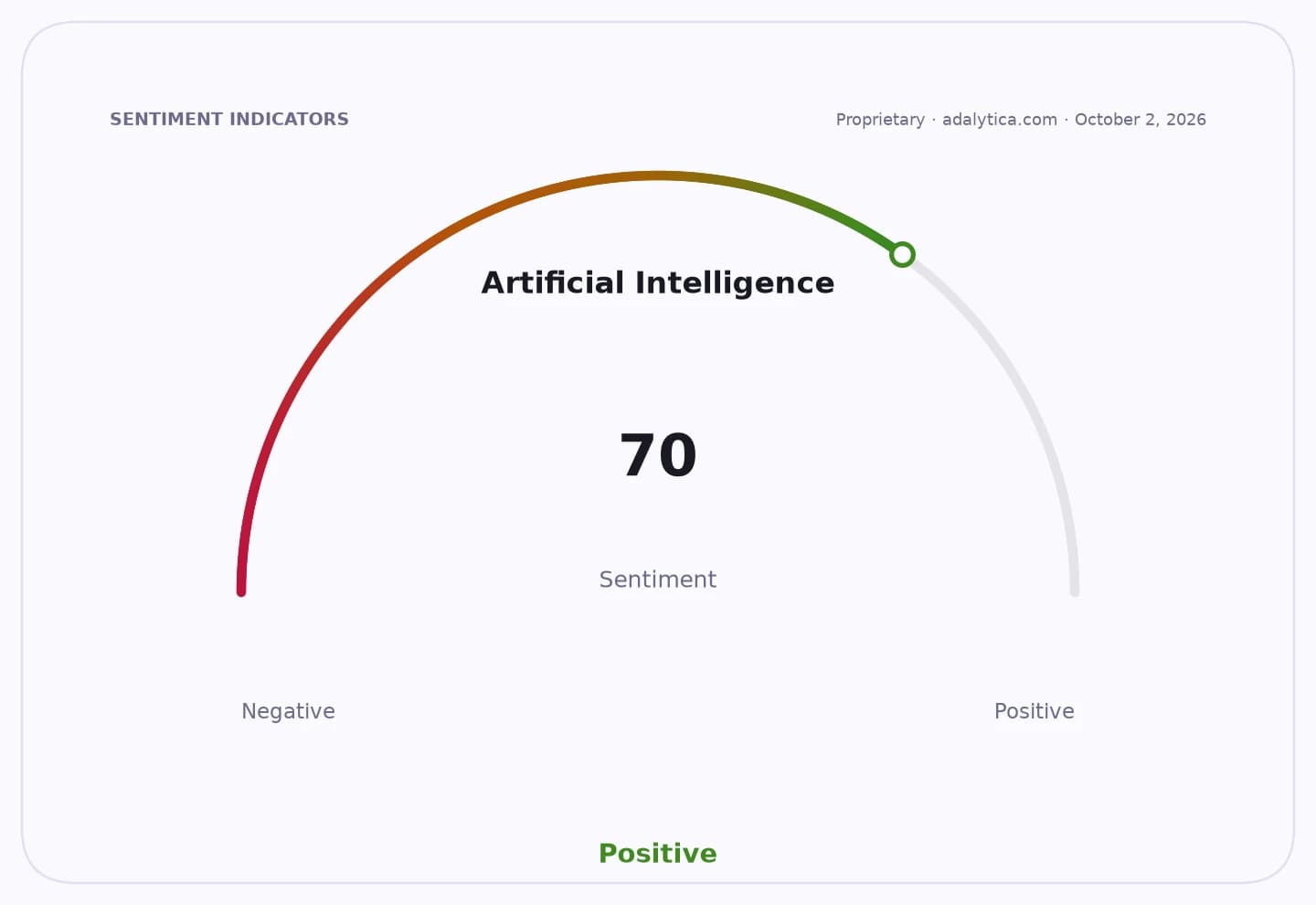
Artificial intelligence adds a new layer to that debate. AI promises better maintenance, route planning, manufacturing quality control and cockpit-adjacent decision support. But it also raises the cost of failure. A negative Adalytica.com sentiment gauge around AI safety reflects a broader unease as companies and regulators debate how quickly advanced models should be deployed in safety-sensitive industries. Concerns at Meta, Microsoft’s emphasis on secure AI systems, Ford’s integration setbacks and Washington’s easing of restrictions on Anthropic models all point to the same tension: AI is becoming more available before public trust has fully caught up.
For aerospace investors, that tension is investable but dangerous. Faster automation could improve factory throughput and reduce costs across the supply chain. Tougher certification, cybersecurity and safety requirements could slow those gains or force new spending. The sector’s recent share-price strength suggests markets are, for now, giving aviation companies credit for demand while discounting the possibility that regulation or execution problems will meaningfully derail the cycle.
The technical picture reinforces that risk appetite. Boeing’s move above widely watched moving averages may draw momentum buyers back into a stock that has been volatile for much of the past year. Honeywell’s position above its 50-day and 200-day averages suggests investors are treating diversified aerospace suppliers as a cleaner way to play the recovery. Korean Air’s advance shows the airline side is also benefiting, though carriers remain exposed to fuel costs, currency swings and aircraft availability.
The next test will be whether earnings and production updates justify the market’s optimism. Aerospace can rally on expectations, but it compounds value only when factories deliver, regulators stay comfortable and airlines keep filling seats at profitable fares. AI may help that process over time, but in aviation the premium will go to companies that prove they can innovate without asking passengers, regulators or investors to absorb more risk.
| Entity | Gains | Losses |
|---|---|---|
| Boeing and aerospace suppliers | ▲Stronger momentum bid | ▼Execution scrutiny |
| Airlines including Korean Air | ▲Capacity-cycle confidence | ▼Delivery and cost risk |
| AI developers and integrators | ▲New aviation demand | ▼Higher safety burden |
| Short sellers and skeptics | ▲Event-risk hedges | ▼Rally pressure |